-
 Javy Wang
Microsoft (US)
Principal Product Designer
Javy Wang
Microsoft (US)
Principal Product Designer
Javy Wang is a Principal Product Designer at Microsoft, working on Azure cloud and developer tooling experiences, and exploring the intersection of AI, product design, and builder workflows.
With 12+ years of product design experience across Microsoft and IBM, she focuses on translating complex enterprise and AI capabilities into usable product experiences. Her public sharing focuses on generalizable design methods, publicly shareable learnings, and personal AI-building experiments, without disclosing Microsoft confidential information.
Outside of her full-time work, Javy explores designer-led AI prototyping and product-building workflows through personal projects and public writing. Her work discusses how designers can use AI tools to move from concept to prototype, strengthen product judgment, and better collaborate with engineering and product teams.
This session reflects personal experience and publicly shareable methods only. It does not represent Microsoft’s official position and does not disclose Microsoft confidential information.
How Designers Build Products from 0 to 1 Independently Using AI
In an era where AI tools are rapidly maturing, the question is no longer "Can designers build products?" The real question is: after AI has leveled the technical playing field, how can designers translate their unique assets — user understanding, taste and judgment, experience completeness — into deliverable products?
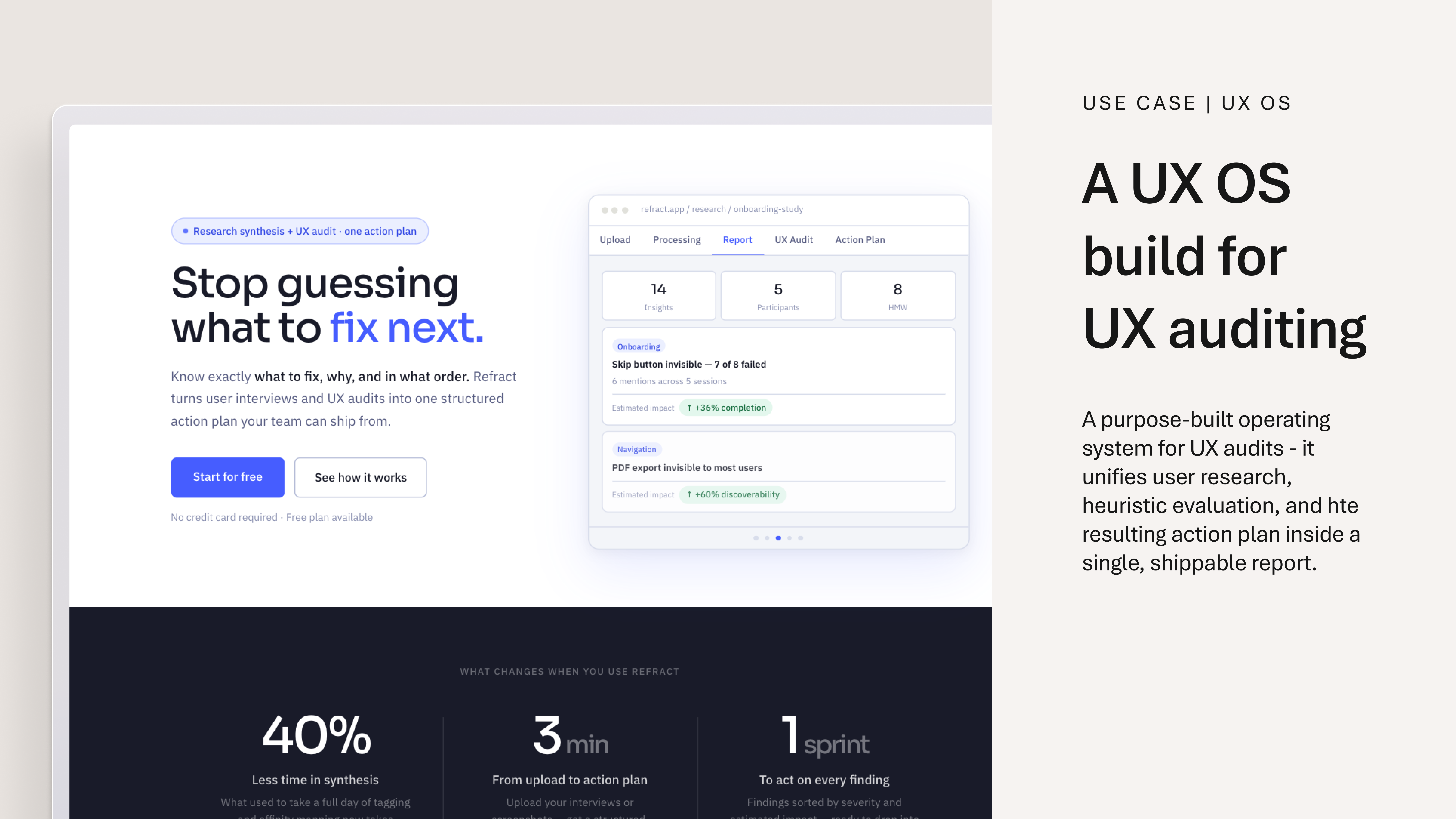
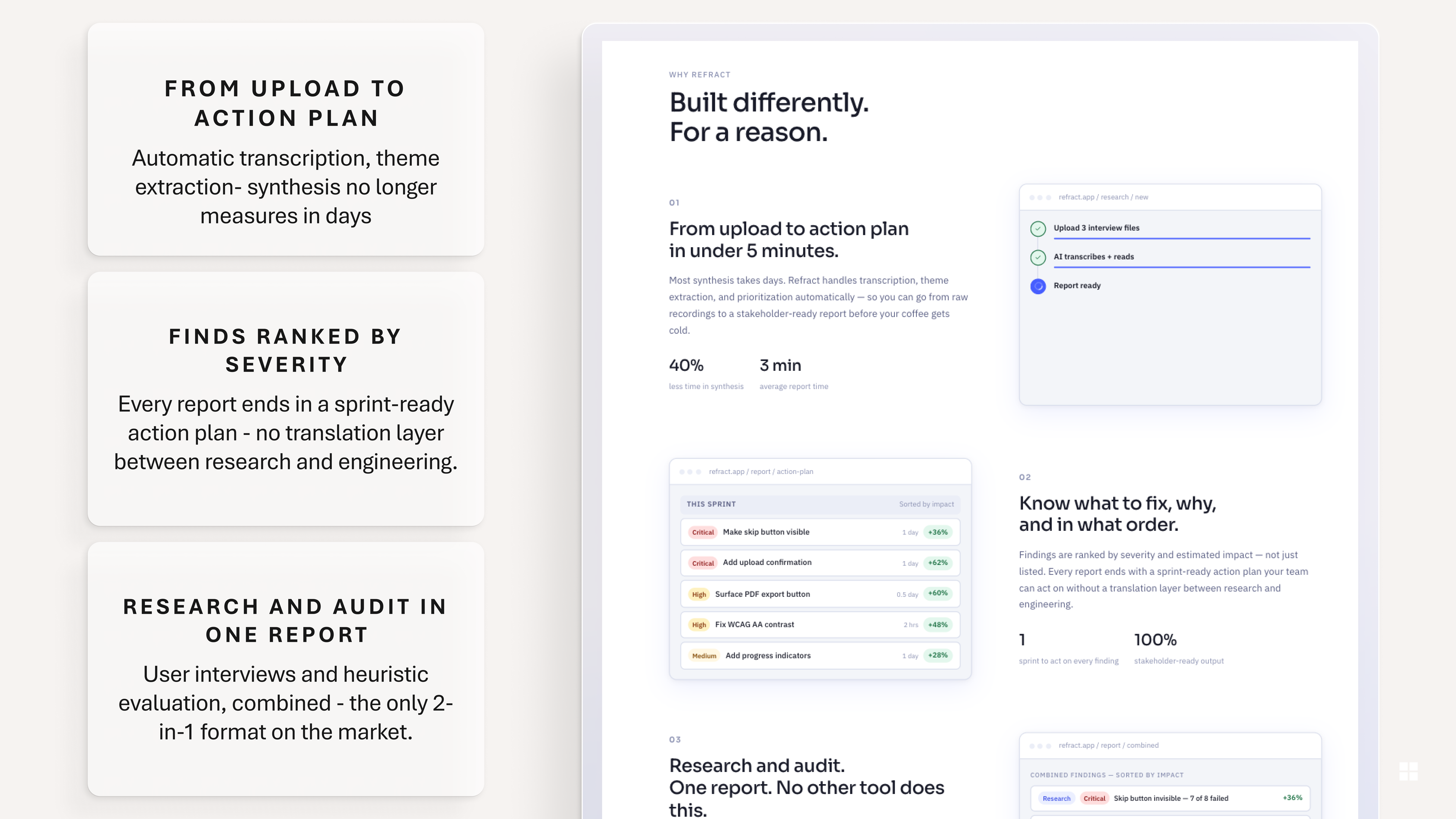
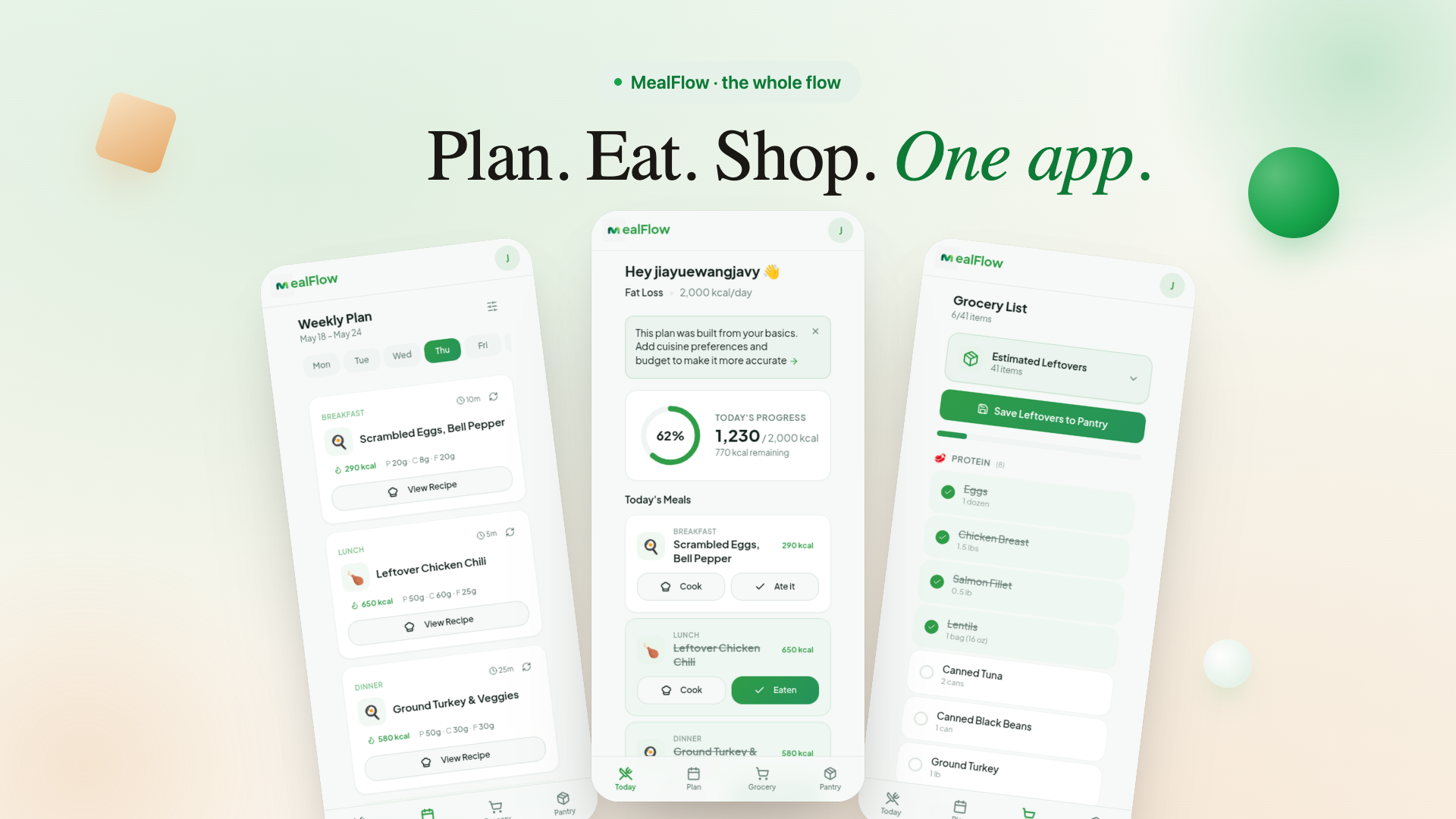
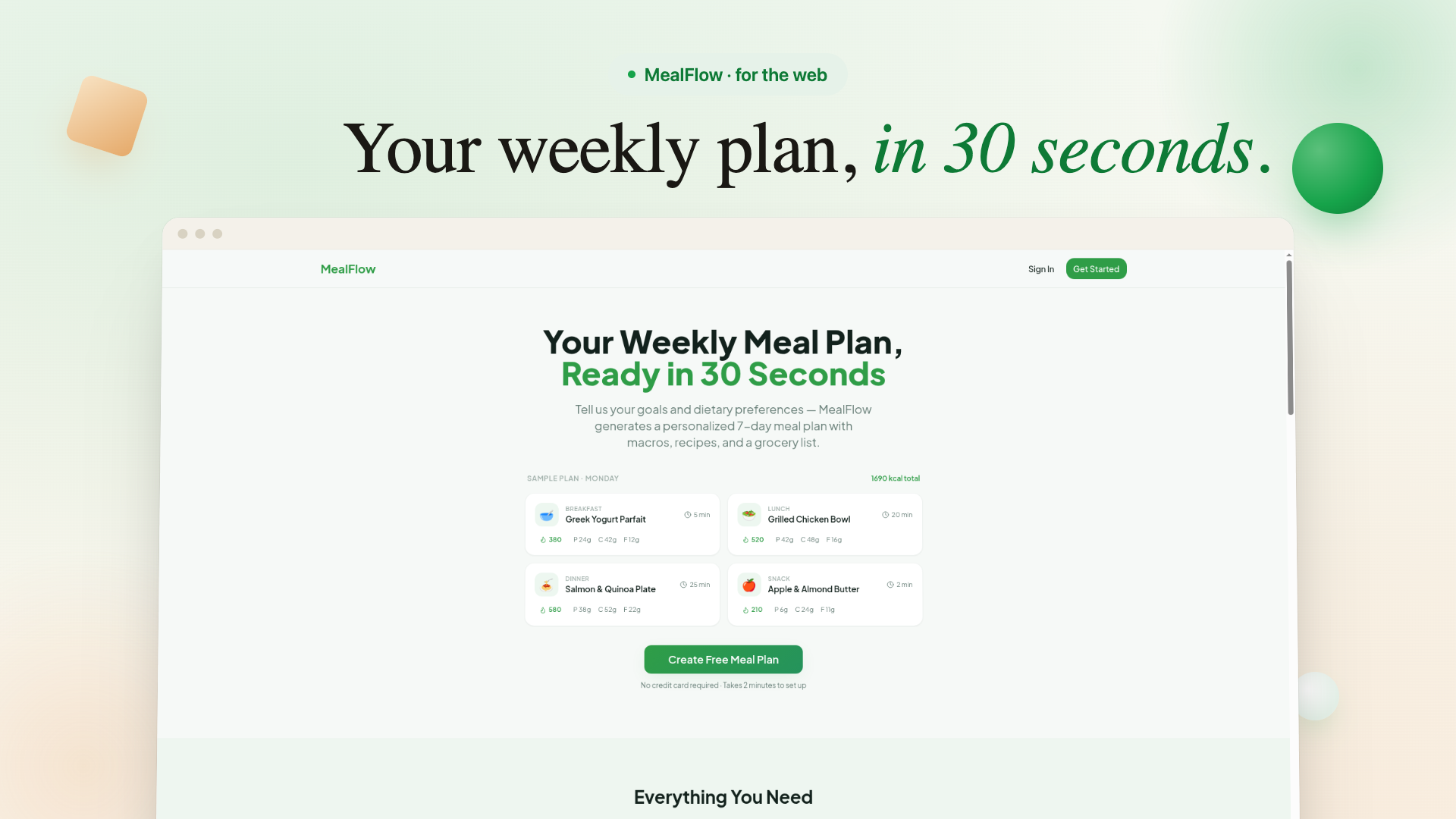
Over the past two months, as a product builder, I have designed, developed, and launched two AI products outside of my company: MealFlow, an AI meal planning tool, and Refract, an AI experience audit tool. Both started from Figma sketches and were completed with AI‑assisted code delivery. One launched on Product Hunt, and the other is already serving paying clients as a consulting delivery tool. The pitfalls I encountered, the paths that worked, and the unique product intuition of a designer are exactly what this workshop aims to convey.
This is neither a technical session on prompt engineering nor an abstract talk on mental models. It is a "boot up and build" hands‑on workshop: within 90 minutes, starting from a vague product idea, each participant will complete the entire end‑to‑end journey — from product hypothesis → AI‑generated code → deployment → payment integration. You will leave with a live, accessible URL, your own set of vibe coding prompt templates, and an actionable checklist of "what to do in the first week after launch."
The unique value of this workshop is a designer‑centric approach to AI product building: how to turn your product design experience and assets into the starting point of AI development, how to use design thinking to converge fuzzy product hypotheses, and how to make "taste" a true product moat in the AI era.
What you leave with is not a slide deck, but a live, shipped product.
Agenda
Opening: Each participant receives a "product hypothesis template" (one sentence for ICP, one sentence for pain point, one sentence for solution).
On‑the‑spot critique of 3‑5 participant hypotheses, demonstrating how to converge vague ideas into a developable spec.
Instructor demo: the complete path from prompt to deploy using Lovable + Claude Code + Claude.ai, using a real (anonymized) early‑stage case study prompt.
Participant hands‑on session: instructor and 1‑2 teaching assistants circulate to answer questions.
3‑4 participants present their work on stage; instructor gives live UX feedback and next‑step recommendations.
Wrap‑up: distribution of a "Top 10 things to do in the first week after launch" checklist.
Target Audience
Interaction/product designers with 3‑5 years of experience (seeking independent product delivery capabilities)
Freelance designers / independent design consultants (looking to use AI products as consulting deliverables)
UX designers in transition (aiming to build a personal brand and a second income stream)
Key Takeaways
A live product prototype. Each participant leaves with their own accessible URL — complete with core functionality, user authentication, database, and payment test environment — ready to be used as a portfolio piece or consulting showcase.
A "designer's AI product stack" workflow document. A complete toolchain from initial idea to deployment, a prompt template library built from real‑world lessons, and a diagnostic guide for common issues.
A training ground for product judgment in the AI era. Through live critiques and iterative exercises, participants will build an independent developer's decision framework for "what's worth building, what can be quickly validated, and what should be abandoned immediately." This is the scarcest skill for designers in the AI era — and a core competency that no prompt technique can ever replace.
1、Opening: Each participant receives a "product hypothesis template" (one sentence for ICP, one sentence for pain point, one sentence for solution).
2、On‑the‑spot critique of 3‑5 participant hypotheses, demonstrating how to converge vague ideas into a developable spec.
3、Instructor demo: the complete path from prompt to deploy using Lovable + Claude Code + Claude.ai, using a real (anonymized) early‑stage case study prompt.
4、Participant hands‑on session: instructor and 1‑2 teaching assistants circulate to answer questions.
5、3‑4 participants present their work on stage; instructor gives live UX feedback and next‑step recommendations.
6、Wrap‑up: distribution of a "Top 10 things to do in the first week after launch" checklist.
1、Interaction/product designers with 3‑5 years of experience (seeking independent product delivery capabilities)
2、Freelance designers / independent design consultants (looking to use AI products as consulting deliverables)
3、UX designers in transition (aiming to build a personal brand and a second income stream)
1、A live product prototype. Each participant leaves with their own accessible URL — complete with core functionality, user authentication, database, and payment test environment — ready to be used as a portfolio piece or consulting showcase.
2、A "designer's AI product stack" workflow document. A complete toolchain from initial idea to deployment, a prompt template library built from real‑world lessons, and a diagnostic guide for common issues.
3、A training ground for product judgment in the AI era. Through live critiques and iterative exercises, participants will build an independent developer's decision framework for "what's worth building, what can be quickly validated, and what should be abandoned immediately." This is the scarcest skill for designers in the AI era — and a core competency that no prompt technique can ever replace.
-
 AI transformation
-
 work chart
-
 AI Product development lifecycle
-
 UX evolution