-
 Christopher Noessel
IBM
Design Principal for Applied AI
Christopher Noessel
IBM
Design Principal for Applied AI
Christopher Noessel is a veteran of the interaction design industry, having designed products, crafted services, and helped clients with design strategy across many disparate domains for more than 20 years. In that time, he co-founded a small interaction design agency where he developed interactive exhibitions and environments for museums. He worked as a director of information design at international Web consultancy marchFIRST, where he also helped establish the interaction design Center of Excellence. For ten years, he worked with a boutique interaction design agency in San Francisco, where he led the “generator” half of that practice. For a time he was Design Principal at IBM, running the Design for AI guild to help equip that community of practice with world-class skills and tools.
Christopher was one of the founding graduates of the now-passing-into legend Interaction Design Institute Ivrea in Ivrea, Italy, where his thesis project was a comprehensive service design for lifelong learners called Fresh. The project was presented at the MLearn conference in London in 2003. He has since helped to visualize the future of counterterrorism as a freelancer, built prototypes of coming technologies for Microsoft, and designed telehealth devices to accommodate the crazy facts of modern health care.
All People Who Use AI-powered Tools Should be Treated Like Deep Thinkers
So much money is pouring into making AI available of course you want to make that known to your users. Make it in-your-face obvious that an AI is there, and it has some opinions to share. But what if I told you it is better for outcomes if you don’t do that, but hide it away until users think they need it? In this talk, Christopher Noessel, author of Designing Agentive Tech: AI That Works for People (Rosenfeld 2017) and the forthcoming Designing Assistant Tech: AI That Makes Us Smarter (Rosenfeld 2025) will share some design experiments he ran. The story ranges from Daniel Kanneman to online catering orders, and at the end of it, you’ll know your users are deep thinkers. Or at least you have to treat them as if they were.
1、Attendees will become familiarized with the psychological concept of Need for Cognition (NFC)
2、Attendees will learn how NFC affects users’ tendency to overreliance on AI
3、Attendees will learn the design mitigations appropriate to High NFC and Low NFC users.
4、Attendees will know what the right default stance is to take when interfaces can not be made dynamic
-
-
-
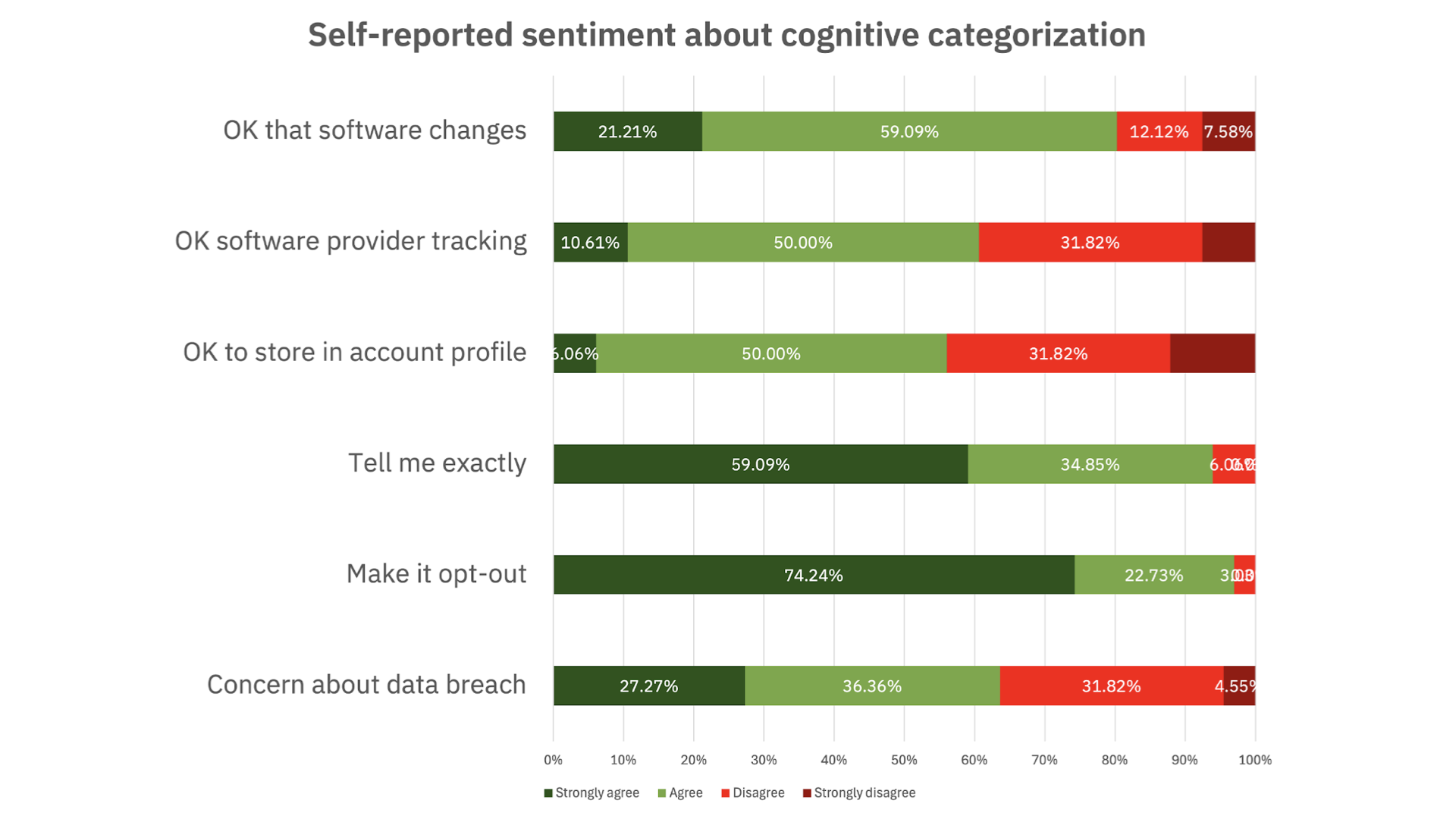 User sentiment was between cautious and hostile
-
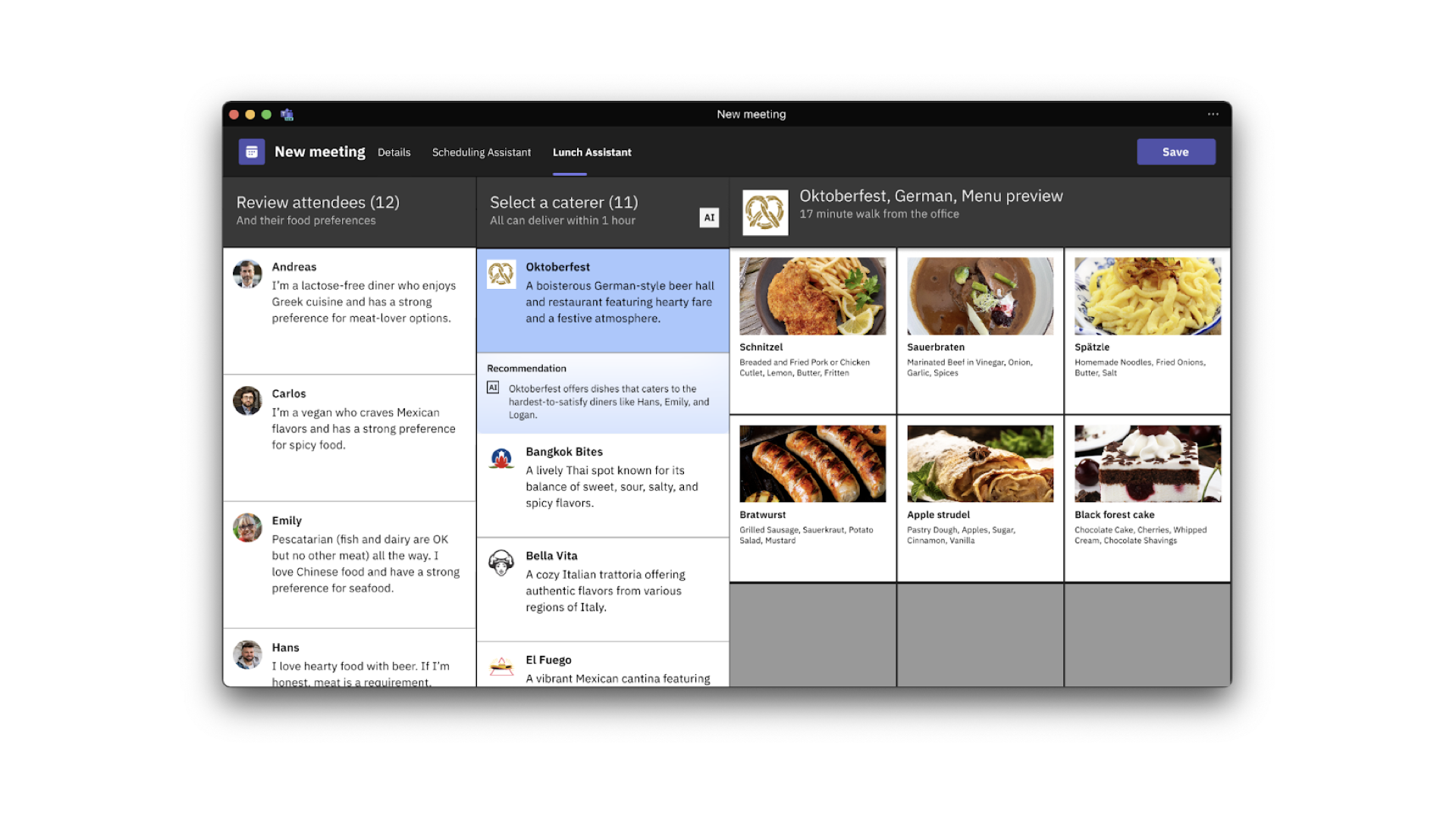 The interface for tempting overreliance
-
 Types of jobs preferred by low-NFC vs high-NFC individuals
-
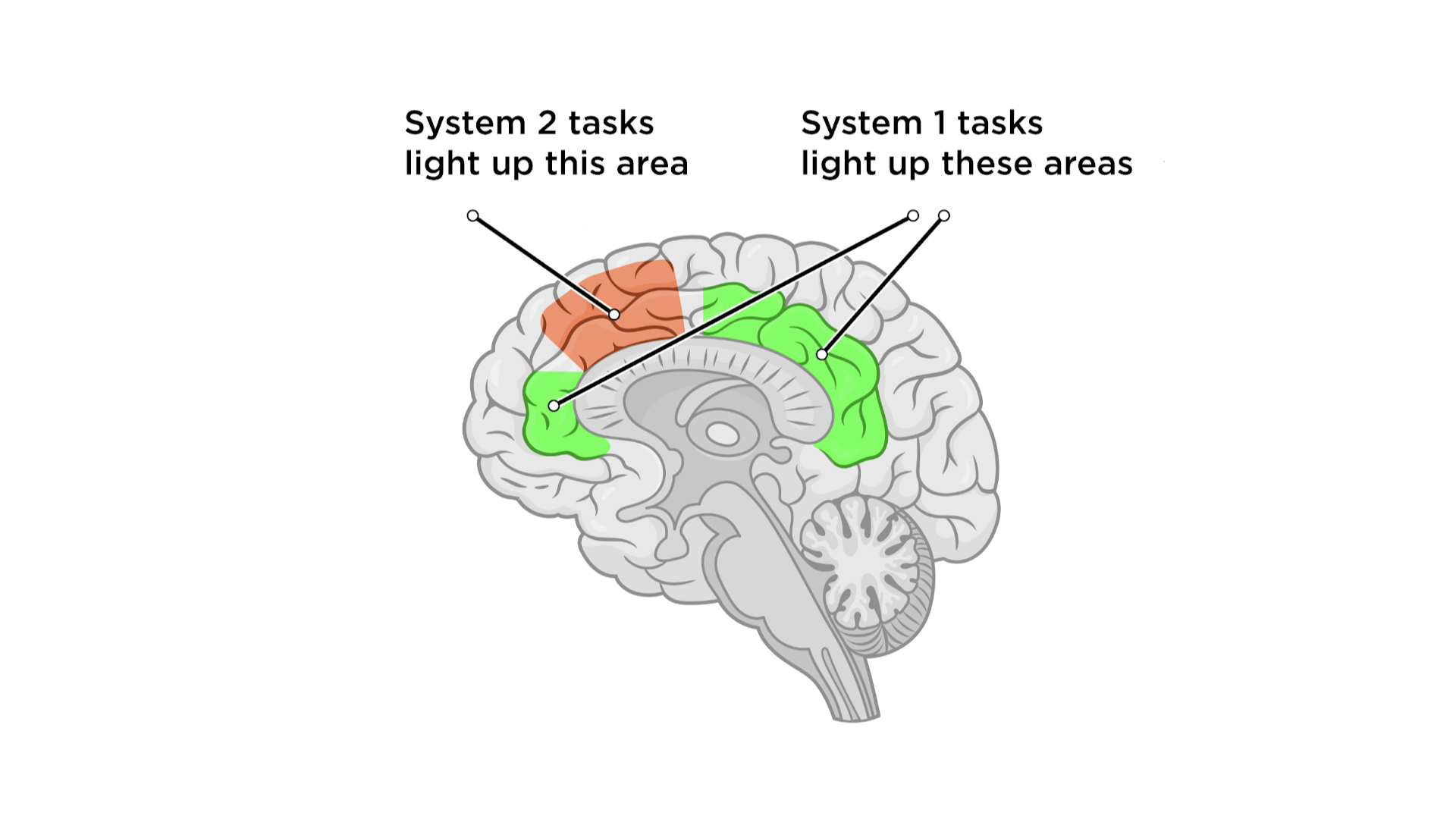 System 1 and System 2 regions in the brain