-
 Zhang Nan
BMW Group Designworks
Senior UI Design Expert
Zhang Nan
BMW Group Designworks
Senior UI Design Expert
With a background in the automotive, film, gaming, and internet industries, I have over 20 years of cross-platform application user interface design experience. I am proficient in Unity3D/Unreal development and HMI user experience design, and have contributed to the design of BMW Mini's AI Genie and the 3D design of BMW's next-generation AI assistant. I have collaborated on the research and development of forward-looking technologies for future mass-production vehicles, established design philosophies and user experiences tailored to business scenarios, provided reasonable solutions in the early stages of projects, and continuously optimized product user experiences.
Design Philosophy: Design for Fun.
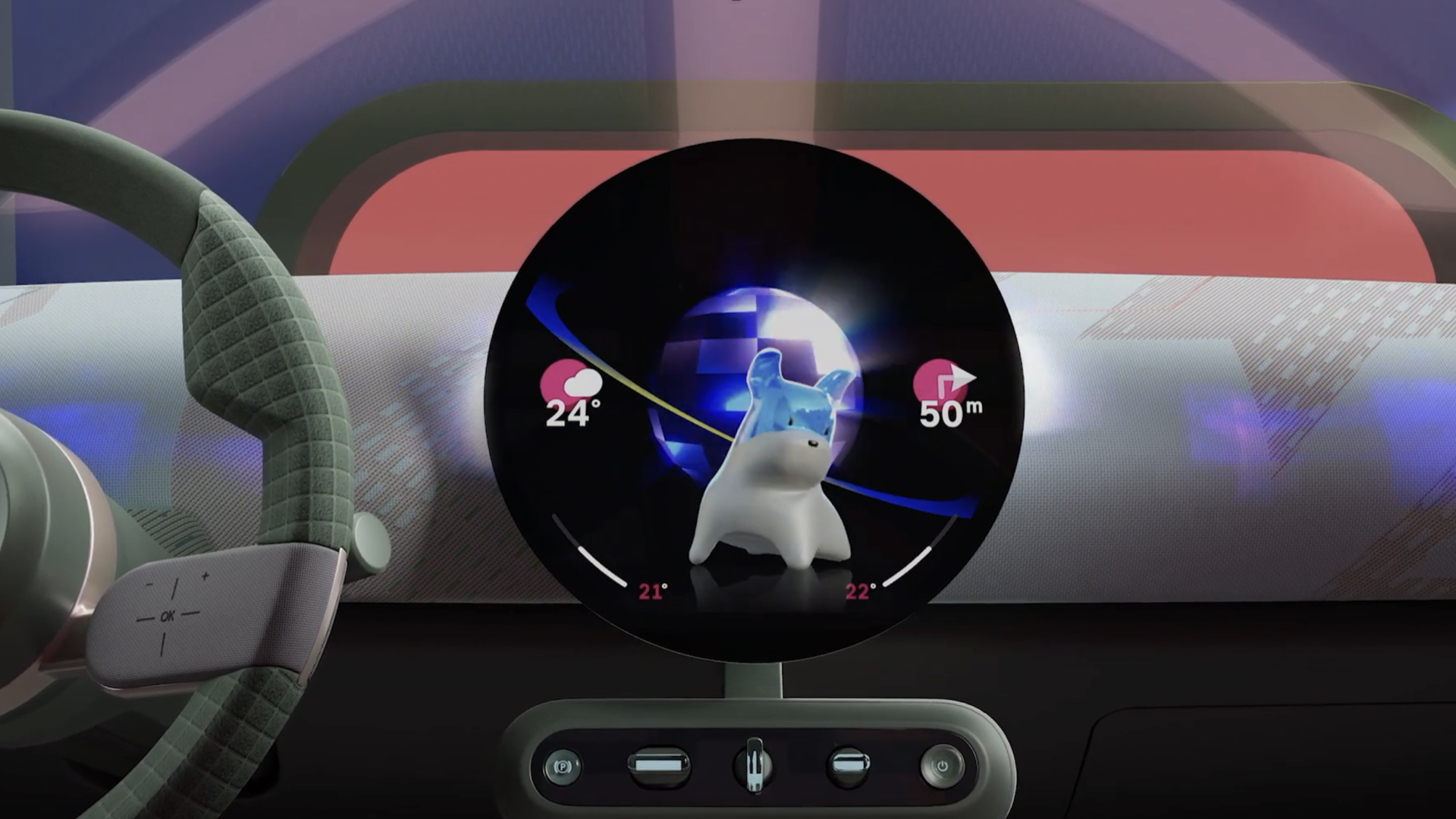
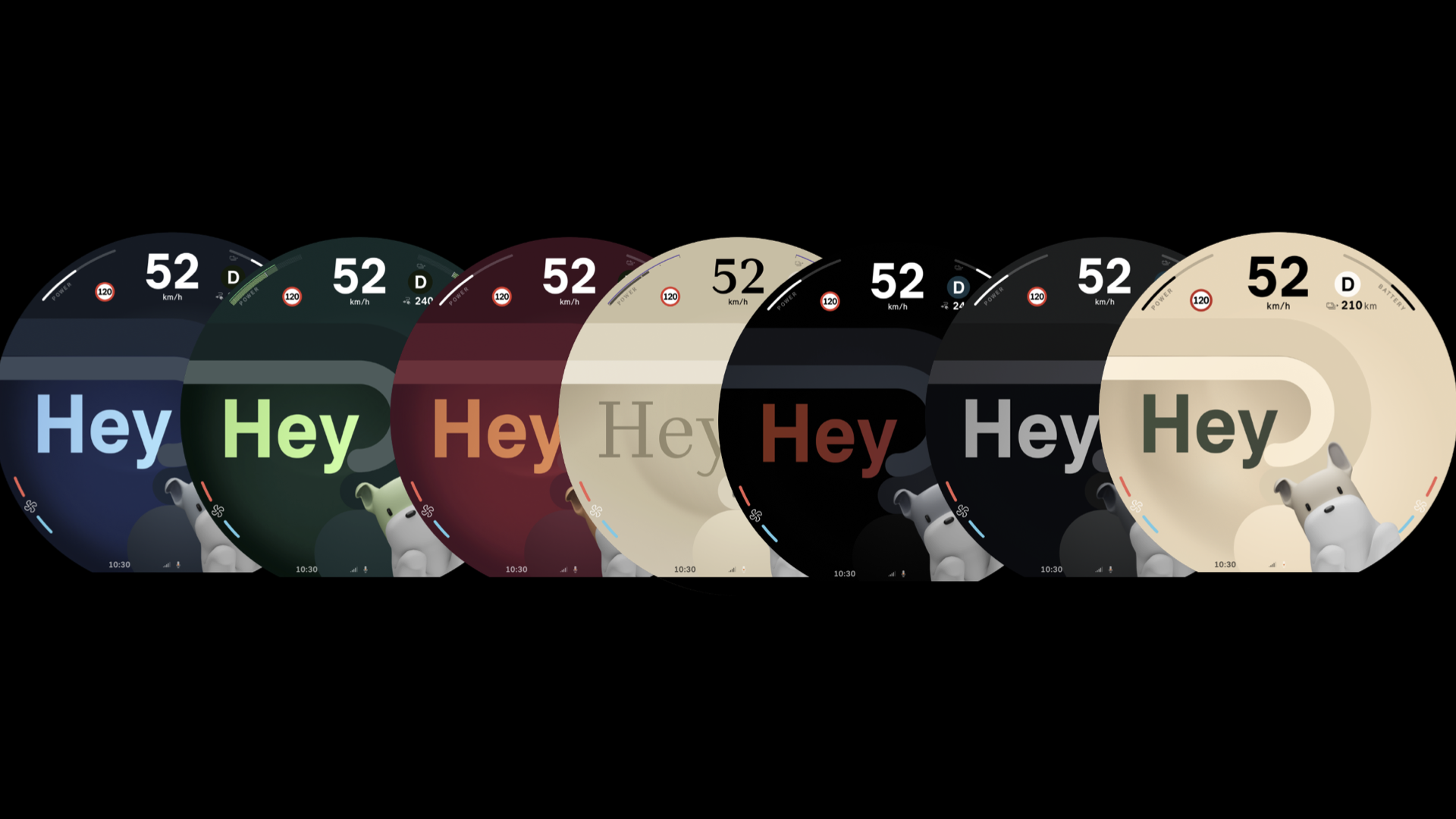
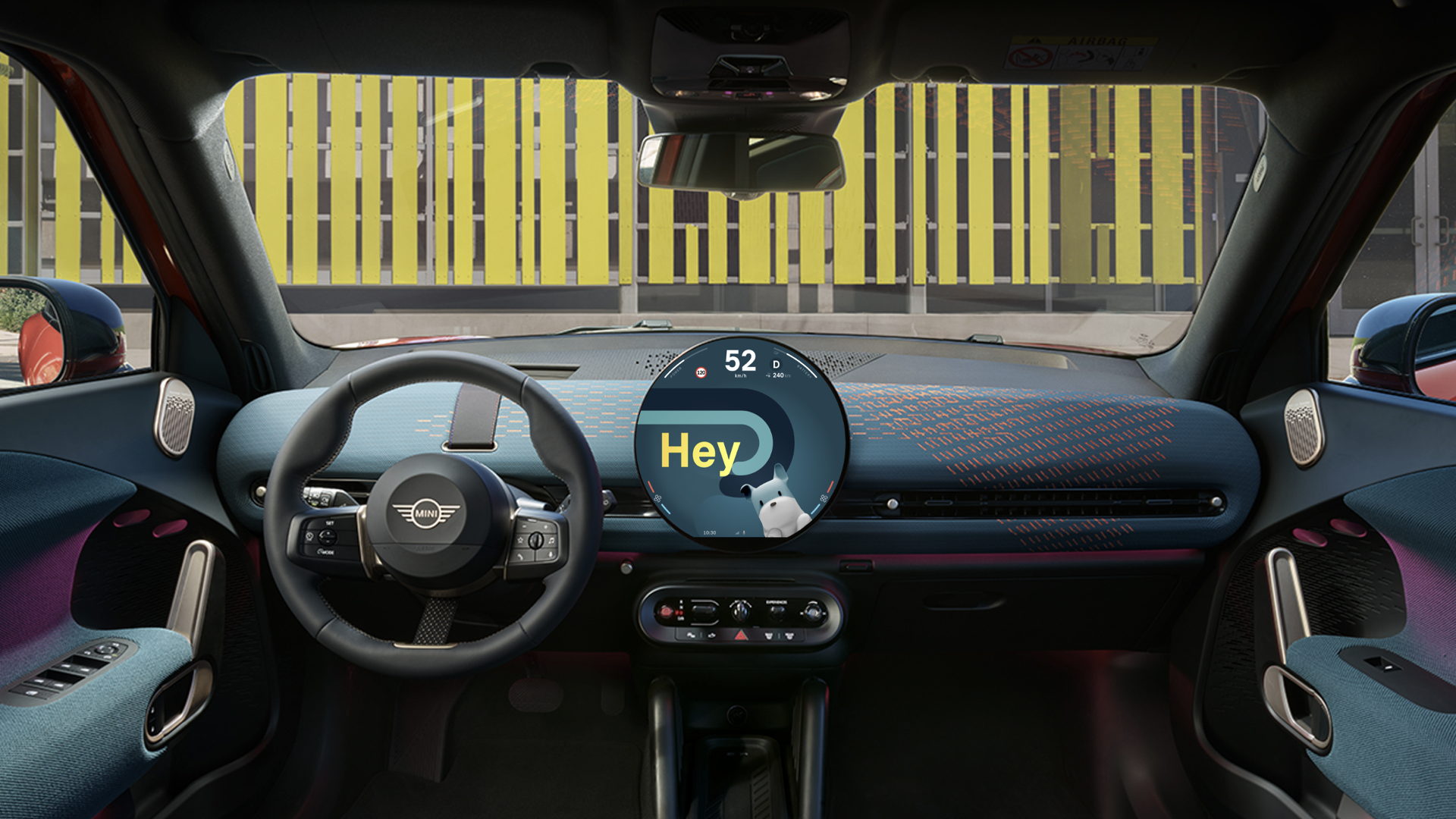
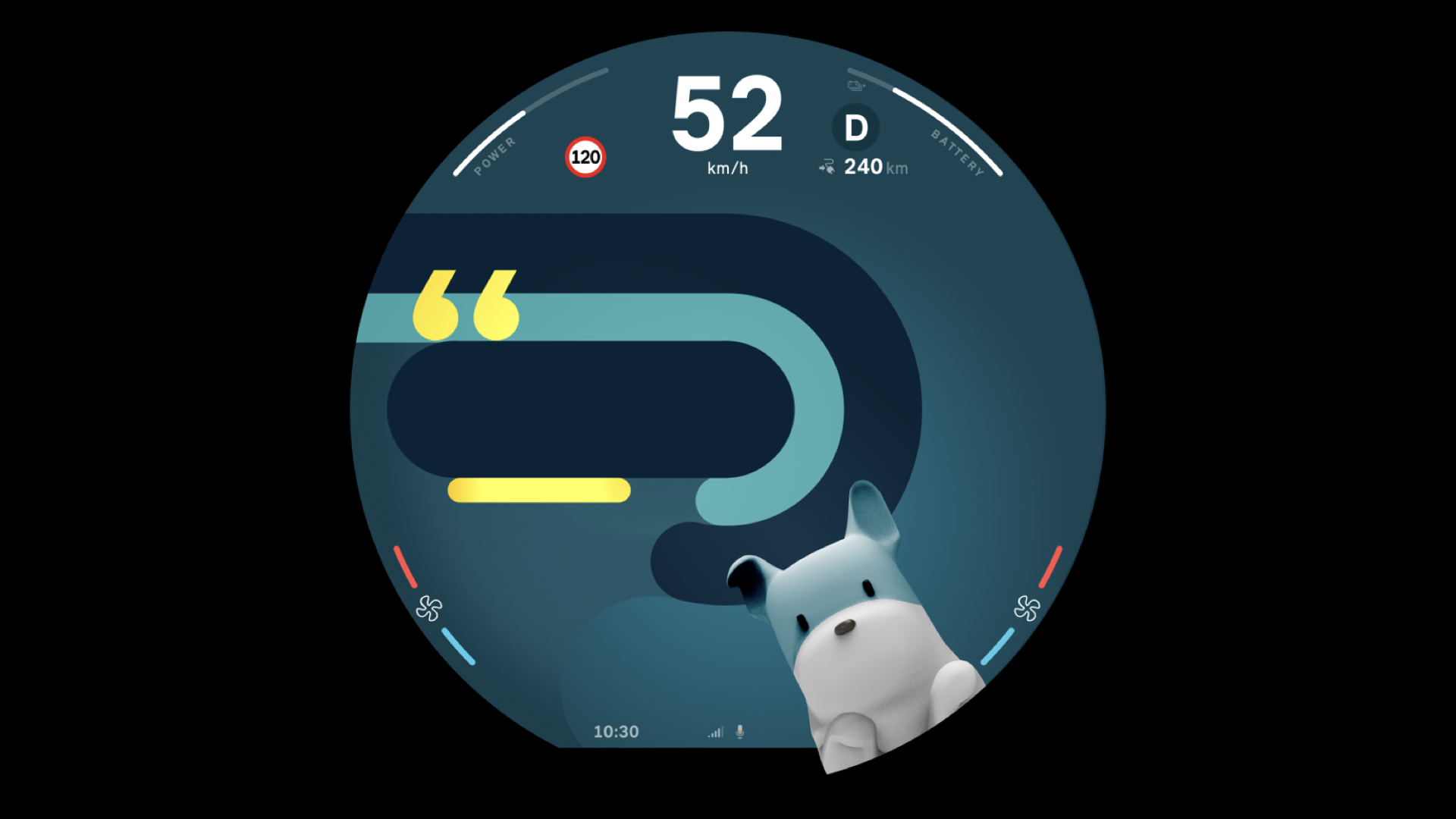
BMW MINI Assistant Spike: A Creative Journey from Brand DNA to 3D Interaction
Why did BMW MINI create a dedicated voice assistant? What design logic lies behind the image of the British Bulldog? How can an in-car voice assistant balance functionality and emotion? This session will provide an in-depth analysis of the end-to-end design methodology and practical experience behind the creation of MINI’s voice assistant, Spike, from zero to one. It will address core challenges such as brand integration, multi-dimensional experience, and 3D implementation.
Workshop Outline:
1. Insight and Definition: From User Needs to Brand Personification
1.1 How to construct the assistant’s personality based on MINI’s user profile (young, individualistic, passionate about driving)?
1.2 How to translate abstract concepts like “British humour” and “thoughtful companion” into concrete interaction principles?
2. Infusing Brand DNA into Design Strategy
2.1 How are the four brand traits (innovation, fun, personalization, intelligence) broken down into design language?
2.2 Offline Function Priority: How to maintain a seamless experience in offline environments?
2.3 Personalized Customization: How to make every vehicle unique, from greetings to skill responses?
3. Visual Symbols and Building Brand Consistency
3.1 Why choose a French Bulldog? The transformation logic from MINI’s classic elements to Spike’s rounded lines.
3.2 Colors, surfaces, and details: How does the visual language延续MINI’s “retro and cute” style?
4. 3D Implementation and In-Car Scenario Adaptation
4.1 UI layout challenges and adaptation techniques for circular screens.
4.2 Performance optimization solutions for real-time rendering of Spike’s 3D形象.
4.3 How to make the voice assistant the core entry point of the in-car ecosystem rather than a functional add-on?
1、Background and Challenges: Why did BMW MINI develop a voice assistant?
2、Workshop Practice: Full-process analysis of Spike’s brand image design.
3、Interactive Session: Co-creative design of Spike’s “ear shape” with users.
4、Q&A: Addressing design challenges in in-car scenarios.
5、Conclusion: Brand-driven design methodology through the BMW MINI case study.
1、3D Designers: Gain a deep understanding of 3D design constraints and expression paths in in-car scenarios.
2、Visual Designers: Master core methods for translating brand symbols into visual language.
3、Interaction Designers: Learn multi-modal interaction integration strategies for specific scenarios.
1、A methodology for integrating brand DNA into experience design.
2、Insights into special design constraints and breakthrough ideas for in-car scenarios.
3、Techniques for optimizing 3D elements in limited hardware environments.
4、A holistic view of design: Closing the loop from concept to implementation.