-
 Fan Yunan
Microsoft
Senior Product Designer
Fan Yunan
Microsoft
Senior Product Designer
8 years of experience in product and interaction design. Senior Product Designer at Microsoft. He has worked for ODSP, Cortana, Bing. He serves product scenarios for enterprise, education users and mass consumers. Currently focused on exploring work culture models that promote effective team collaboration.
Microsoft 2022FHL Hacker Week: Best innovation FHL, Best Complete FHL, People's Choice rewards.
Design philosophy: We design with love for everyone.
Re-imagine Inclusive Experiences in the Age of AI
As generative AI rapidly evolves, we are redefining what it means to be a “designer” — and, at the same time, revisiting a fundamental question: Are the experiences we design truly usable, understandable, and beneficial for everyone?
Inclusive Design is often understood as “accessible design” or “design for people with disabilities,” but its meaning is broader and more foundational. It addresses systemic gaps and biases, asking how design can move beyond the “mainstream user” to embrace diversity.
Today, as AI becomes a design tool, a product format, and even an interaction partner, we must face an important truth: AI is not inherently inclusive. Its data sources are biased, its training mechanisms are opaque, and its interaction logic assumes a “default user.” AI can amplify blind spots already present in design — turning what was once “good enough” into “no longer usable.” In the age of AI, inclusive design is more urgent, more complex, and more worthy of discussion than ever before.
This talk invites you to reflect on some critical questions:
How can we guide AI to learn the “humanity” we haven’t yet taught it?
Can designers embed inclusion into AI’s generative logic?
Are we missing voices that deserve to be heard?
We’ll explore these ideas through four key themes:
1. Why is AI getting smarter — but still doesn’t “get” people?
• AI’s understanding of users is based on incomplete data
• From “usable” to “perceivable”: Are we neglecting deeper design dimensions?
• A breakdown of real-world AI “fails” and what we can learn from them
⸻
2. Rethinking Inclusive Design
• Beyond accessibility: Where are the true boundaries of inclusive design?
• Mismatch thinking: Designing from the perspective of the overlooked
• The three principles of Inclusive Design — and common misconceptions
⸻
3. Can AI and Inclusive Design Work Together?
• How can designers participate in AI’s training process?
• What can AI help us do — and what should it never replace?
• Case studies: Seeing AI, Microsoft Copilot Accessibility, and low-resource language translation systems
⸻
4. A New Responsibility for Designers: Shaping Not Just Products, But the World
• We’re defining who gets represented through our work
• Inclusion is not just a feature — it’s a mindset and habit
• With design, we can confront bias and give people the power of choice
1、Icebreaker & Background: AI is getting smarter — so why doesn’t it truly “understand” people?
2、Knowledge Sharing: Rethinking Inclusive Design — what it really means and why it matters
3、Case Studies: Can AI and Inclusive Design work together in practice?
4、Interactive Session: Group activity based on a design challenge The designer’s new responsibility: We’re not just building products — we’re shaping the world
5、Q&A and Open Discussion
6、Summary and Recap
1、Senior UX/Product Designer
2、Senior Product Manager
3、AI Startup Founder
1、Expand the boundaries of AI design thinking
2、Build awareness and methods for designing with influence on AI
3、Understand how inclusive thinking helps us uncover overlooked users, cultures, and use cases
-
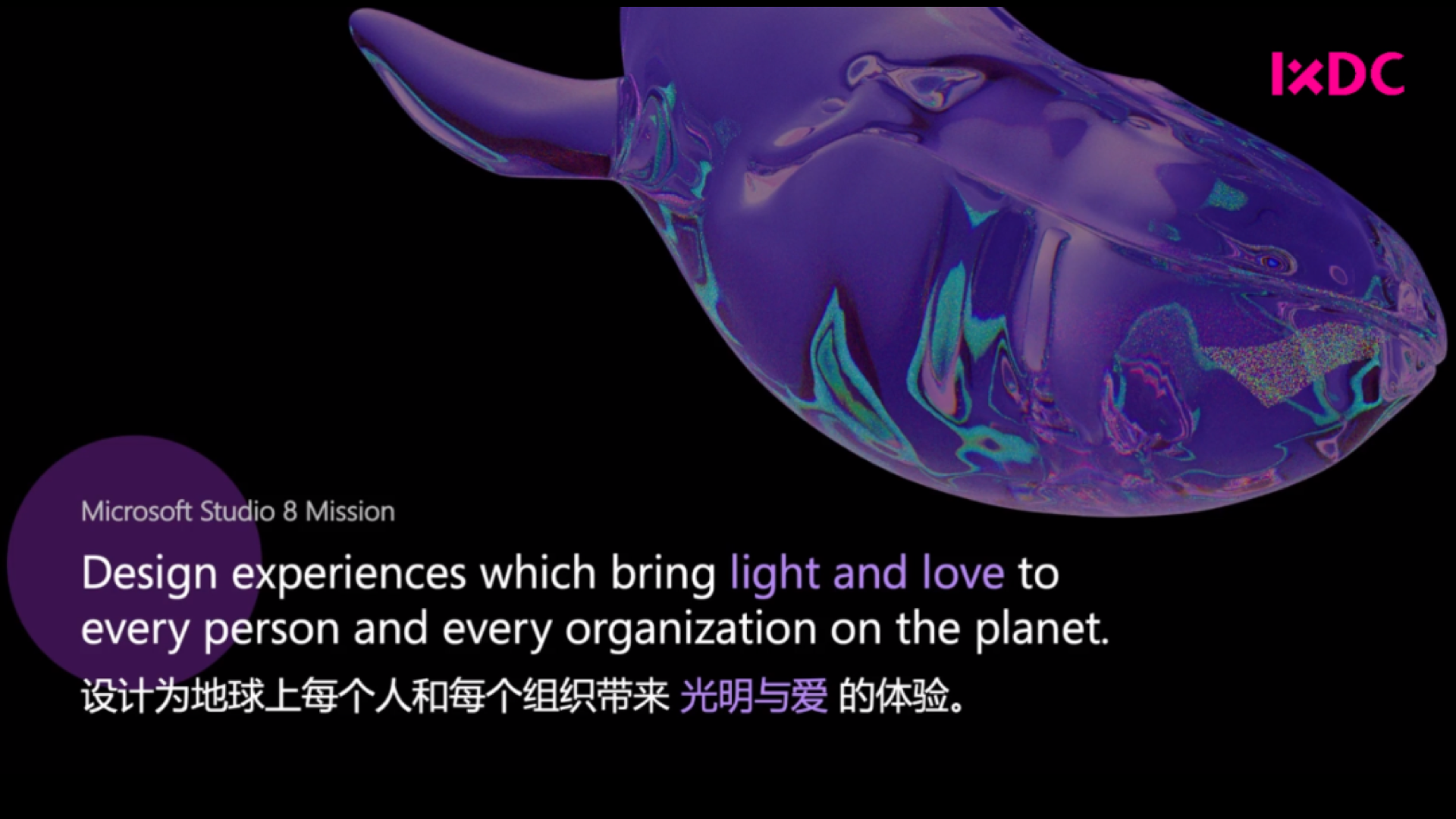 inclusive design mission
-
 case study
-
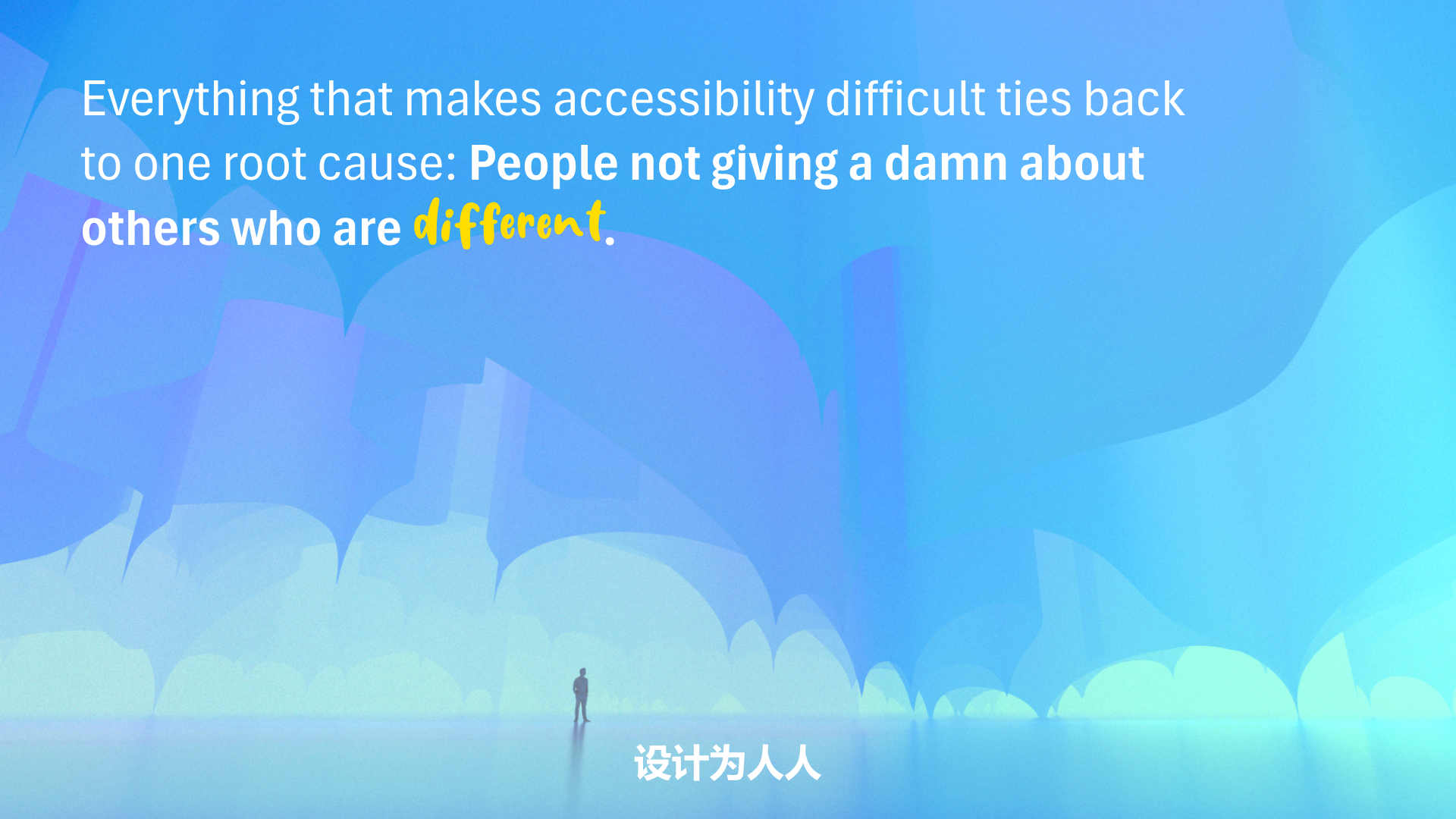 Inclusive design matters
-
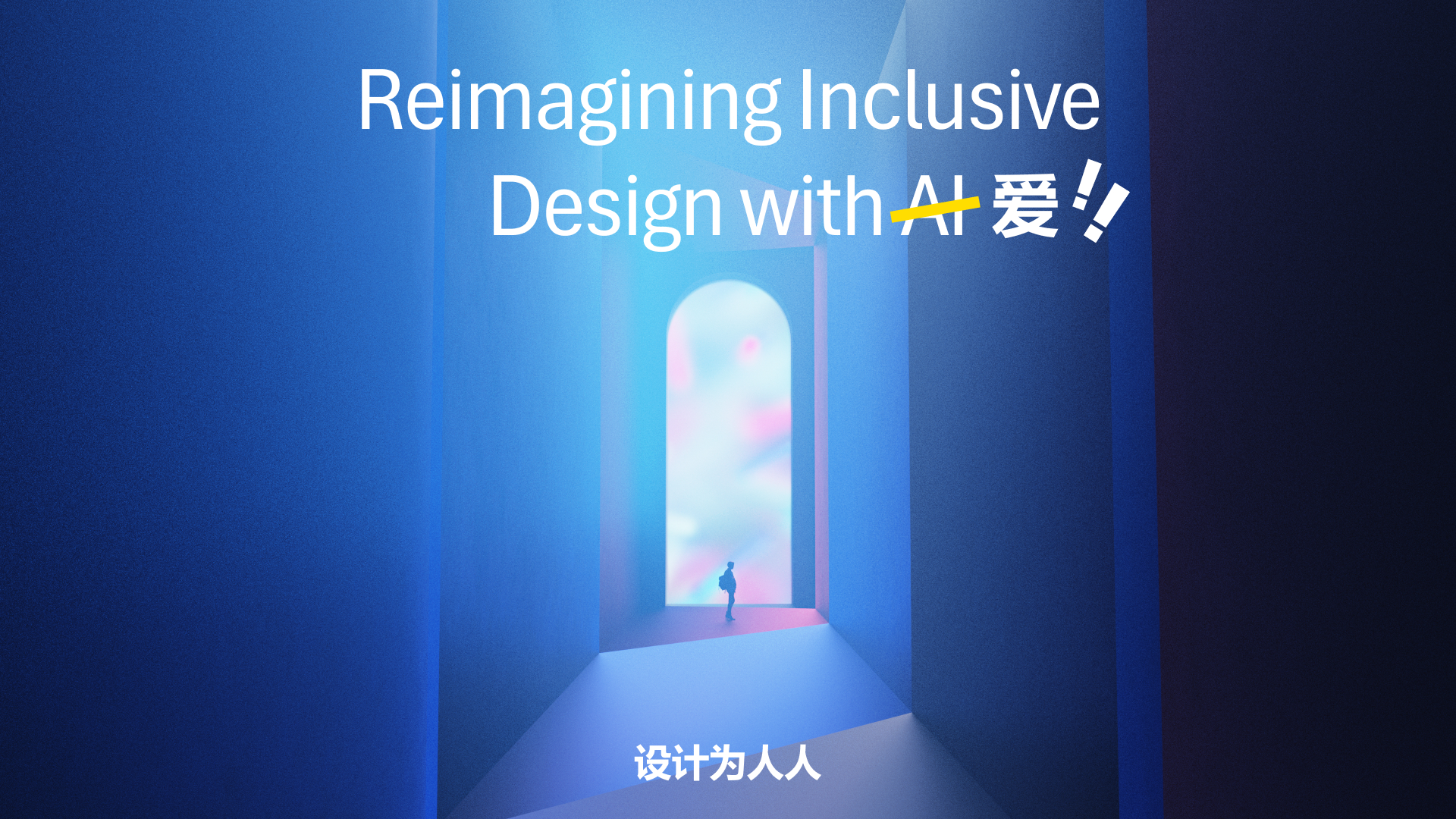 reimagining inclusive design with AI
-
 工作坊 Helping Different Types of Products Succeed - A Management Approach of Sustainable Lean Design Yuan SisiNetEase,Senior Game UX Design Manager
 -
 工作坊 Upgrade of Livestreaming Revenue System Under the Z-Generation Background Sun AnqiBili Bili,Senior User Experience Designer
-
 工作坊 Under the new BtoGtoC Model, the Ecosystem Concept Design Increases the Efficiency of the Transaction Process Avery LinNetease,Senior Visual Designer
 -
 工作坊 Exploration and Practice of Human-Computer Interaction in the Meta-Universe Becky LiuAdaptive Context Environments(ACE) Lab,XR Designer&Researcher
-
 工作坊 How to Achieve Design Breakthroughs in the Face of Complex Financial Business Scenarios Lu YiICBC,Interaction Design Lead
 -

-
inclusive design mission
1/4
-
case study
2/4
-
Inclusive design matters
3/4
-
reimagining inclusive design with AI
4/4
- 回到顶部
- 手机查看
- 在线客服
用手机扫描二维码即可查看本页面

扫码添加官方客服微信,直接在线沟通
 胡蓉:188-2626-0168(微信同号)
Shine:189-8894-8279(微信同号)
