-
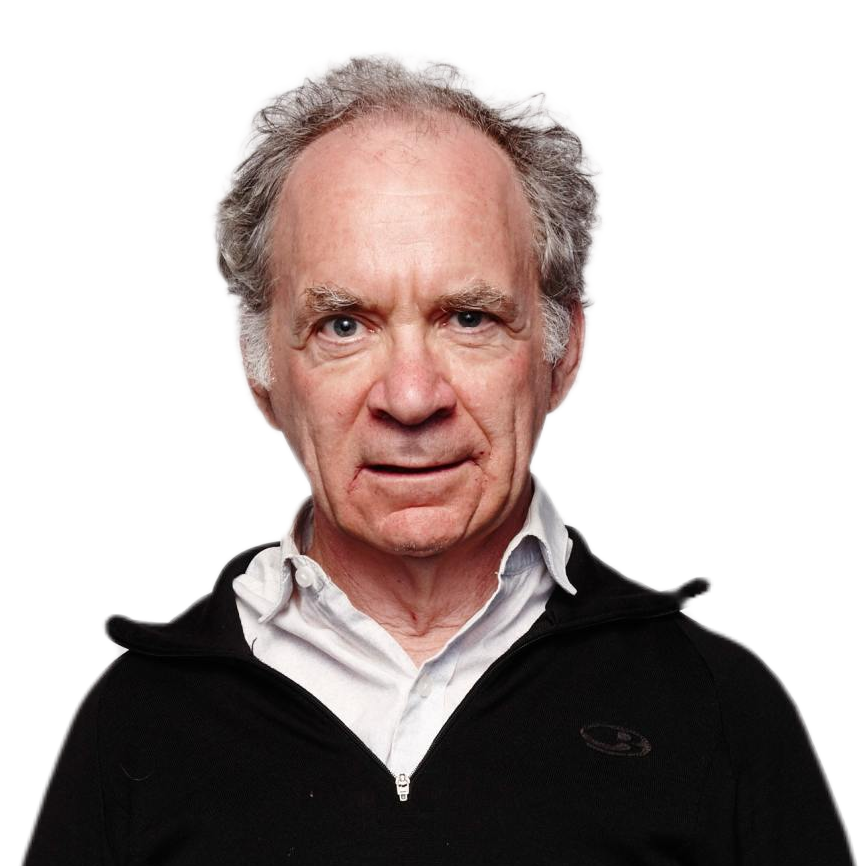 Barry Katz
California College of the Arts & Stanford University
Professor
Barry Katz studied at McGill University in Montréal and the London School of Economics, and earned his PhD from the University of California, Santa Cruz. He is Professor Emeritus of Industrial and Interaction Design at California College of the Arts in San Francisco, and formerly served as Adjunct Professor with the Design Group in the Department of Mechanical Engineering at Stanford University.
As IDEO’s first Research Fellow, Barry worked at the world‑leading design and innovation consultancy for more than 20 years. He continues to provide consulting services for governments, corporations and academic institutions across the globe.
His essays on design as an innovation strategy have been published in numerous academic, professional and popular journals. He is the author of eight books, including *Change by Design* co‑authored with Tim Brown, which explores the nature of design thinking as a business strategy, and *Non‑Objects* co‑authored with Branko Lukic, a conceptual exploration of “the space between people and products”. His current research interests include post‑war reconstruction in Ukraine and post‑pandemic workplaces in Silicon Valley.
Human‑Machine Symbiosis: Paradigm Shift from "Tool" to "Partner"
As large‑model and AI‑agent technologies keep evolving, human‑machine symbiosis is no longer a distant theoretical concept. It is profoundly reshaping the underlying paradigm of design and posing new challenges to cross‑regional and cross‑cultural international design practices. As a senior scholar deeply versed in design history and design theory, Barry Katz will trace back to the origins of human‑machine‑symbiosis thinking and draw on cases of technological transformation throughout design history to lead us in re‑examining the partnership between humans and AI.
This speech will conduct in‑depth speculation on the future of design around four core themes:
1、Trace the intellectual origins of human‑machine symbiosis, clarify the respective capability boundaries and division‑of‑logic between humans and intelligent systems, and break free from the conventional mindset that treats AI merely as a design tool.
2、 Draw reference from historical technological shifts such as the birth of photography and the Industrial Revolution. By comparing them with the current AI wave, it will dialectically analyze the impacts and opportunities brought by technological iteration to designers, as well as the rules governing the evolution of industry competencies.
3、Explore AI‑technology governance and design‑ethics issues from a global perspective, and consider how the international design community can participate in discussions on technological directions to establish reasonable constraint frameworks for AI development.
4、Explore the core mission of design under the new paradigm of human‑machine symbiosis: to preserve human‑oriented fundamentals while pursuing technical efficiency, and to build human‑centered intelligent experiences with warmth within diverse global scenarios.
1、Understand the origin of human‑machine symbiosis from the dimension of design history, and establish a macro perspective on the relationship between AI and design.
2、Draw lessons from the laws of historical transformations to dialectically reflect on designers’ value positioning and role evolution amid the AI wave.
3、Grasp the responsibilities and participation paths for global design practitioners in the development of AI technologies.
4、Acquire a forward‑looking design thinking framework to uphold human‑oriented design practice amid continuous technological iteration.
-
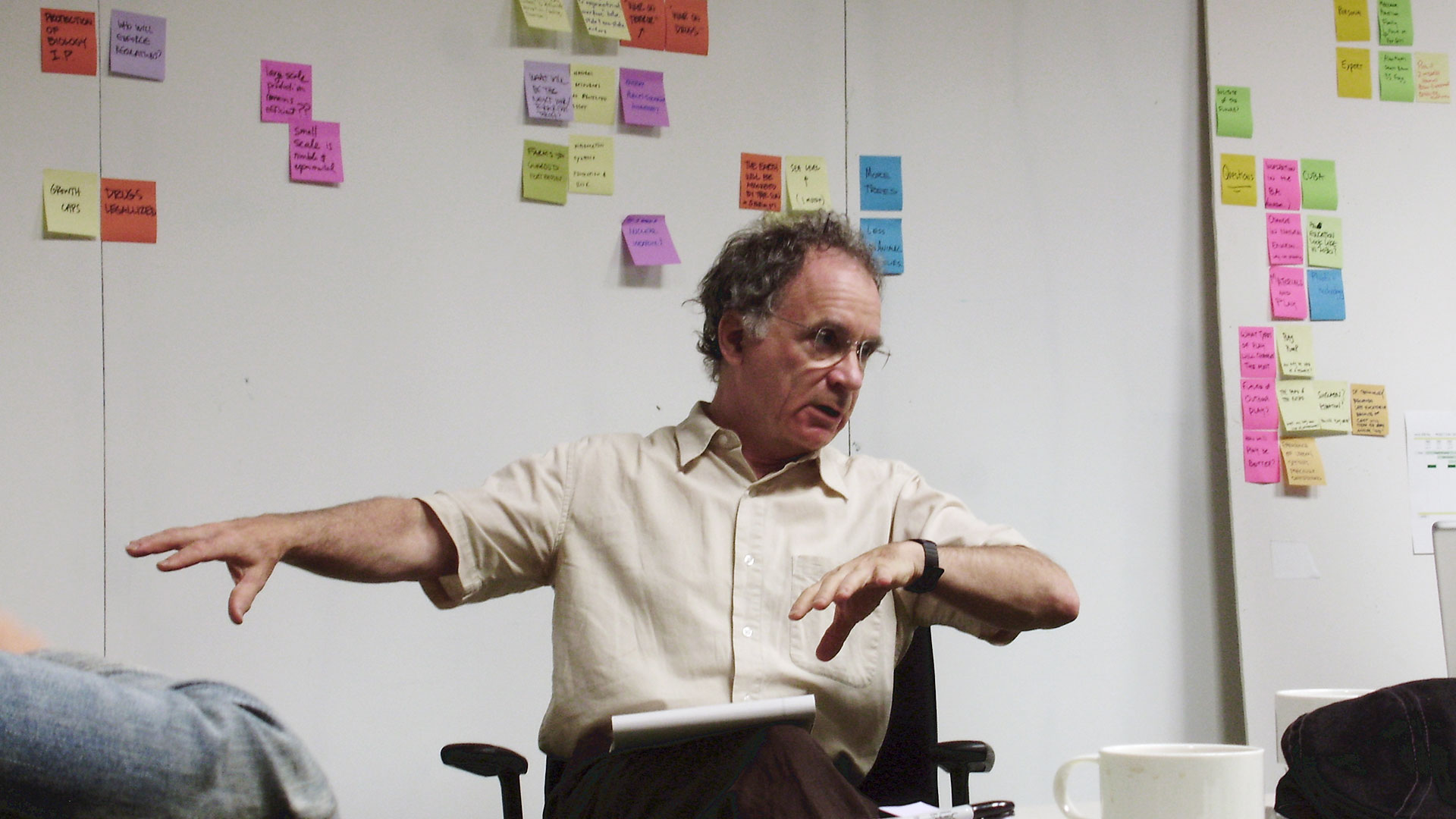 Barry Katz teaches a "design thinking" course at the California Institute of the Arts
-
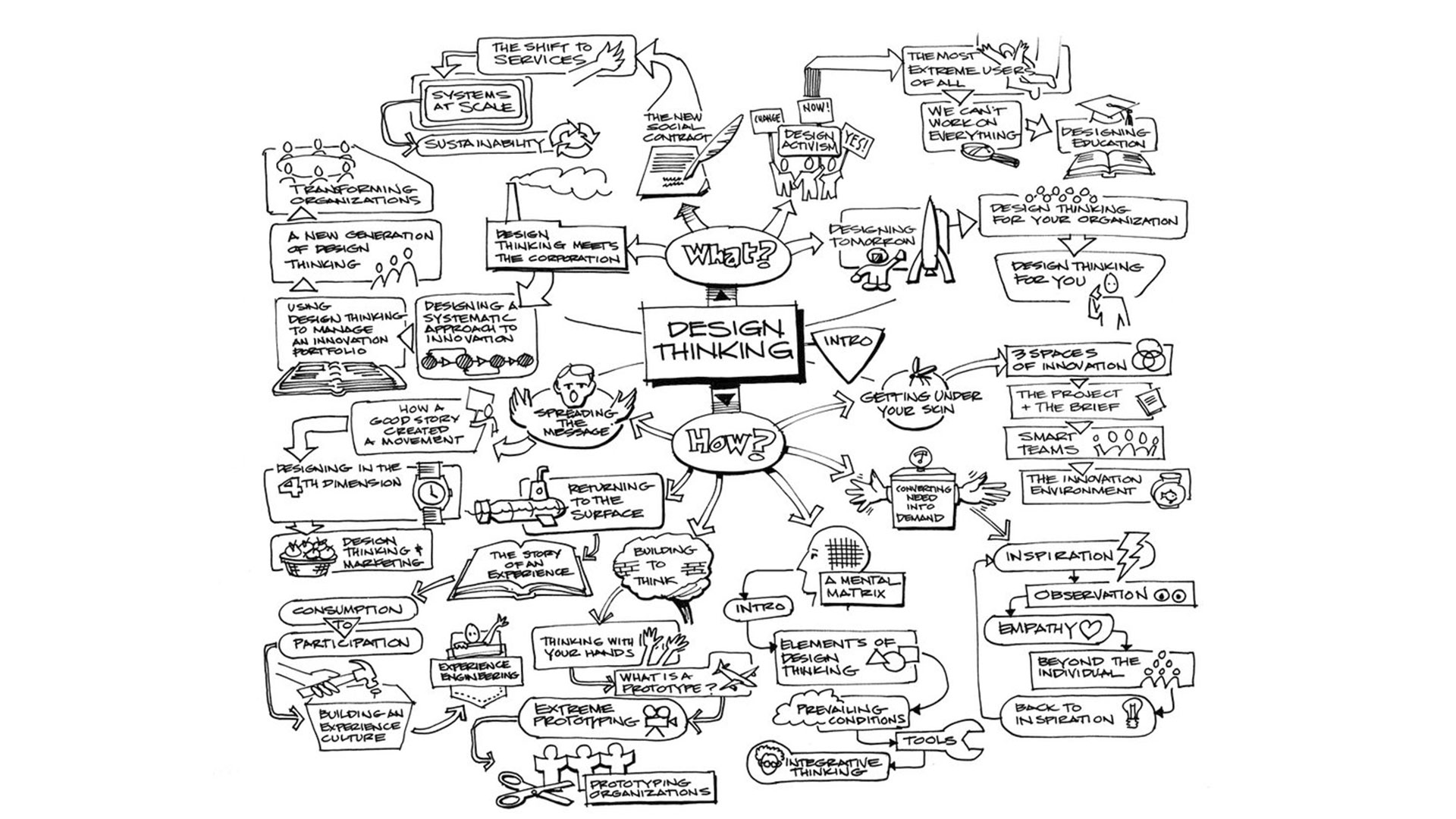 Mindmap table of contents by Tim Brown, courtesy Barry Katz
-
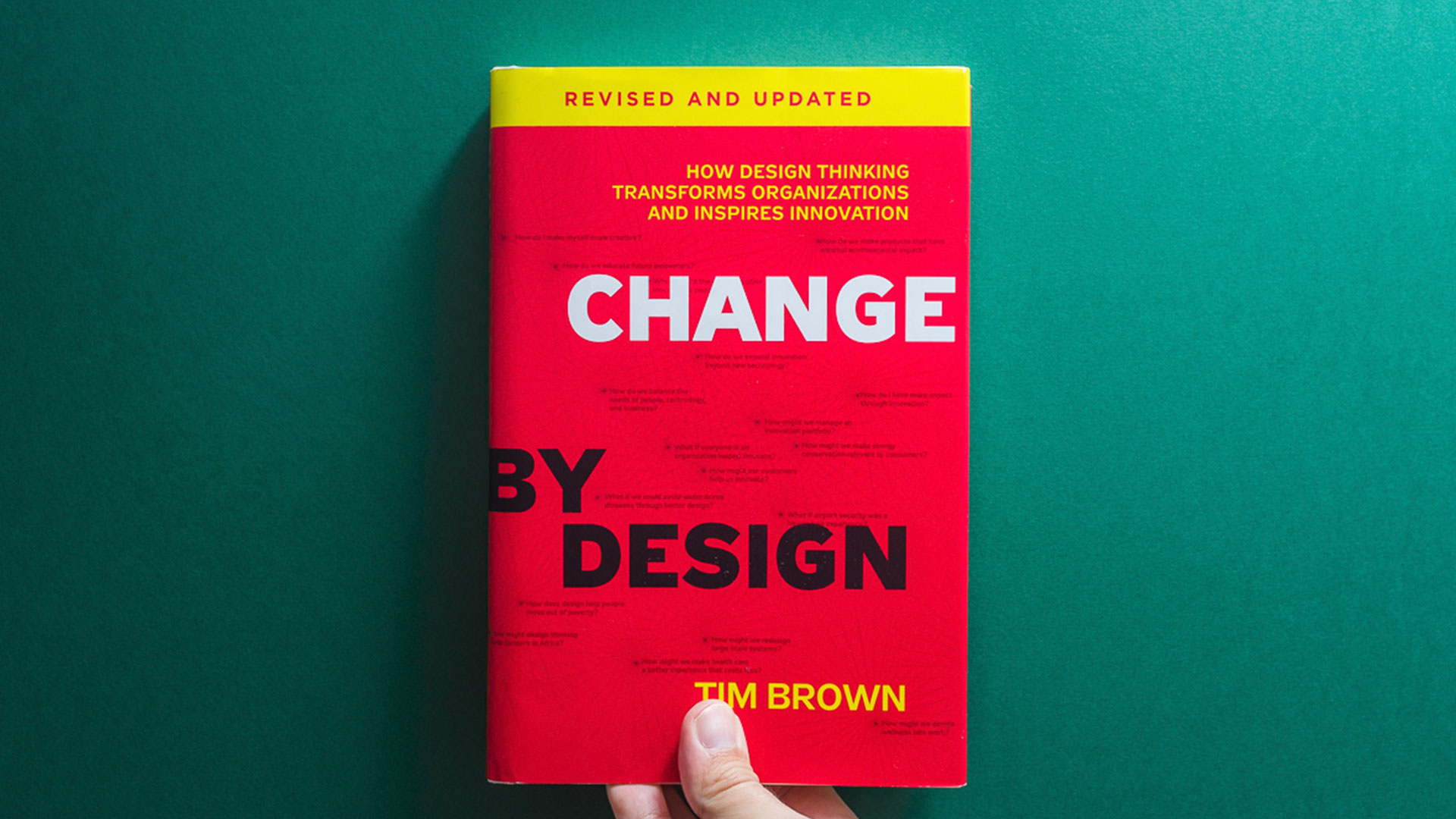 Barry Katz collaborated with Tim Brown on Change by Design.
-
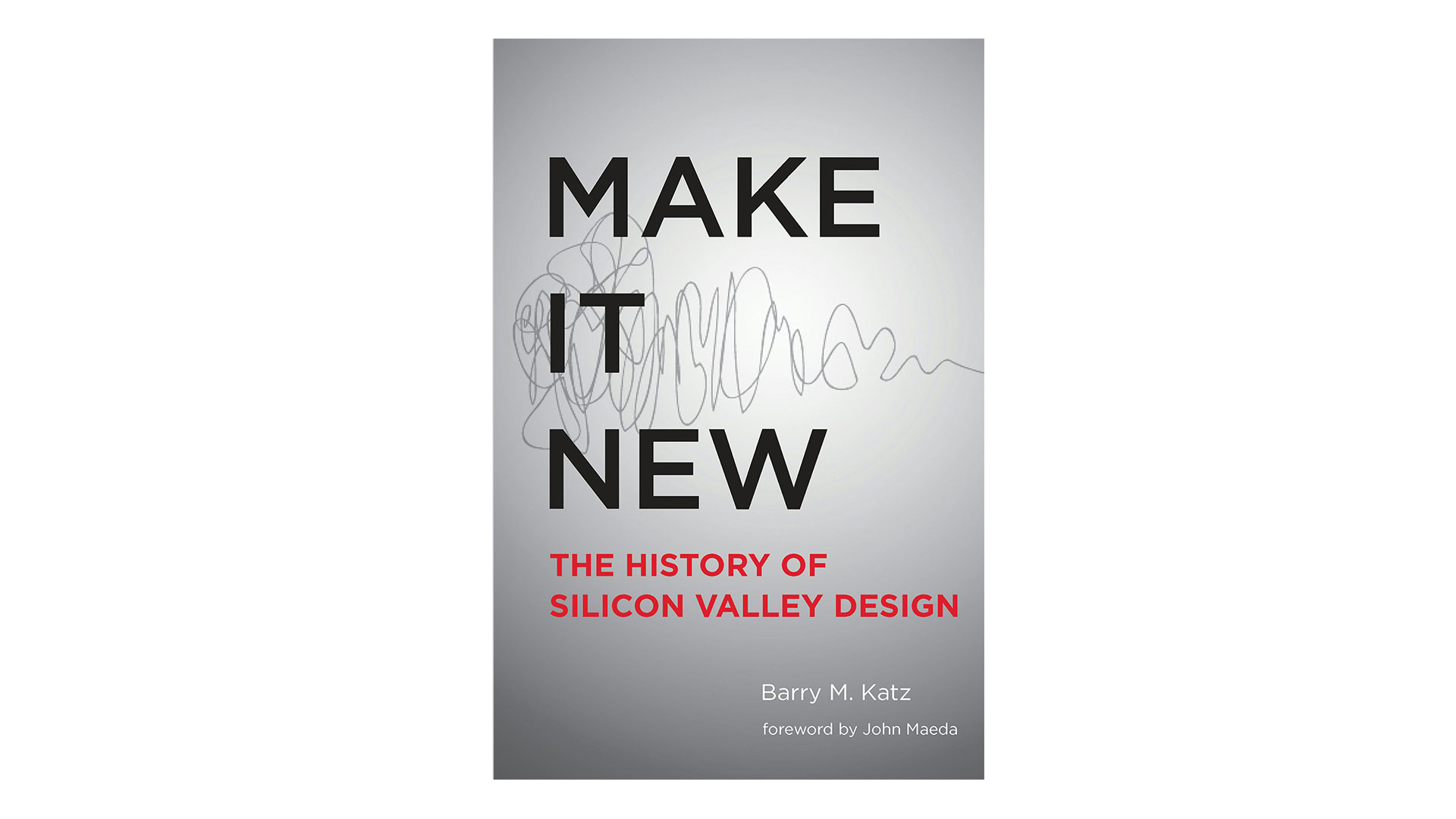 Barry Katz's New Book《Make It New: A History of Silicon Valley Design 》