-
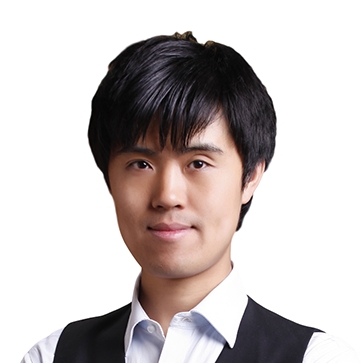 Dong Tengfei
Baidu
Product Design Manager
Dong Tengfei
Baidu
Product Design Manager
With 15 years of design experience,Tengfei currently serves as a Product Design Manager at Baidu, leading user experience design for the company’s content ecosystem. Responsibilities include overseeing the design of strategic content products, AI-driven innovation, and content ecosystem operations—striving to create exceptional user experiences while driving business value.
Previously, Tengfei held design leadership roles at Kuaishou, where they led teams across collaborative office tools, cloud services, and foundational technology. At Baidu, past roles included leading design for Baidu Browser, Baidu Maps, and Baidu Research Institute, as well as participating in key initiatives such as RDRN.
Currently focused on the practical application of AGI and AIGC technologies, Tengfei explores how emerging AI capabilities can reshape the future of user experience and design methodologies.
-
 Chen Peitong
Adobe
Senior Experience Designer
Chen Peitong
Adobe
Senior Experience Designer
Veronica Peitong Chen is an interdisciplinary designer, artist, and creative technologist, specialized in creating innovative experiences powered by AI/ML and emerging technology. At Adobe, Veronica led key AI/ML initiatives like Adobe Firefly and created experiences that have reached millions of users worldwide. Her work has been featured in publications like WSJ, Forbes, Bloomberg, TechCrunch, and she has served as keynote presenter and panelist at several educational and professional venues, such as Harvard University and Adobe MAX.
-
 Ye Chen
Kuaishou
Head of E-commerce Advertising Design
Ye Chen
Kuaishou
Head of E-commerce Advertising Design
Currently working at Kuaishou's Commercialization Team, responsible for nearly the entire product line of Kuaishou's commercialization efforts. Currently overseeing design work for e-commerce ad delivery products and content consumption ecosystem products. With over a decade of experience in UX design across tech companies in both China and the United States, previously worked at Apple Inc. in the U.S., participating in the experience design of intelligent features for endpoint devices and contributing to the development of AI-related guidelines for human interface design standards.
-
 Cheng Yao
Alibaba Cloud
Experience Design Expert
Cheng Yao
Alibaba Cloud
Experience Design Expert
As the Design Lead for Alibaba Cloud's SaaS Product Line and Architecture & Operations Product Line, I have been deeply involved in the design of cloud computing and developer-focused products for over a decade. My mission is to make technical products accessible to everyone in this era. I bring extensive experience in design systems, experience measurement, and design process management. I am also the primary author of the "General Process for Cloud Computing Product Experience Design" group standard.
-
 Richard Chang
Gensler
Studio Director & GC Retail Leader
Richard Chang
Gensler
Studio Director & GC Retail Leader
As the Regional Retail Sector Leader for Greater China and Studio Director of the Shanghai office at Gensler, Richard has led and participated in the design of various high-end retail projects for internationally renowned retailers, including Apple, Porsche, ANTA, UGG, Starbucks, Alibaba, Samsung, General Motors, The North Face, Lenovo, and Microsoft. With years of experience, Richard places great emphasis on the design of prototype stores and strategic planning phases for global and local retail clients, which is critical to developing Gensler's commercial retail design practice in Asia.
-
 Feng Ting
HONOR
Chief Aesthetics
Feng Ting
HONOR
Chief Aesthetics
With over 10 years of experience in aesthetic design, I am currently the Chief Aesthetics & Creative Officer at HONOR, responsible for the creative direction and theme wallpaper design of HONOR’s mobile OS. I lead the Aesthetics Lab and the France Innovation Institute, successfully integrating fashion trends with technological innovation across multiple products to create a cutting-edge and distinctive digital style—setting new trends for the future of industry aesthetics. Previously, I was the Director of the Art & Creative Center at vivo OriginOS, where I led the team in delivering several industry-leading products.
Design philosophy:
Through digital expression, we strive to spark endless imagination from things that once went unnoticed, giving technology a charming and desirable human touch.
-
 Lu Yu
Xiaomi TV
System Experience Design leader
Lu Yu
Xiaomi TV
System Experience Design leader
Xiaomi TV System Experience Design leader, dedicated to helping Xiaomi TV users enjoy a better experience through design. The work covers domestic and overseas TV systems, value-added services, content, and other related fields. With over 10 years of in-depth experience in the Internet sector of the IT industry, I have accumulated rich practical experience.
Design philosophy: First principles, and design leadership require a touch of pure perception of beauty.
-

He Ying 01.AI Design Expert
A Computational Designer and Multimedia Artist, currently serving as a Design Expert at 01.AI. She is the translator of "The Laws of Human-Computer Communication" and "Mismatch: How Inclusion Shapes Design," and the editor of "AI Architecture Essentials: From ChatGPT to AIGC." A graduate of NYU's ITP program with a focus on AI and Data Visualization, her professional background includes roles as a Senior Designer at SenseTime and The Bank of New York Mellon, and as a Researcher at The Met's Media Lab. Her work has been recognized by Science Magazine, the National Arts Fund, and exhibited internationally.
AI Reshaping Human Creativity and Business Ecosystems
Today, as artificial intelligence technology undergoes revolutionary breakthroughs, we stand at a historic inflection point: AI is not only redefining the boundaries of creativity and business but also profoundly reshaping the relationship between humans and machines. Under the theme "AI Reshaping Human Creativity and Business Ecosystems," the 2025 Artificial Intelligence Summit brings together leading global technology companies and innovative practitioners, including Microsoft, Baidu, Kuaishou, Adobe, and Alibaba Cloud, to engage in an in-depth dialogue about the future of an intelligent world.
Summit Highlights:
1. Delve into how AI is reshaping content production and the boundaries of creativity
2. Confront design strategies and user experience innovations in the AI era
3. Decode commercial implementation challenges: from technological breakthroughs to sustainable profitability
4. Explore new paradigms of experience measurement: from subjective evaluation to AI-powered diagnostics
5. Unlock the practical code of advertising intelligence: lowering barriers and amplifying growth
-
Speech 1:Symbiotic Intelligence: The Content Design Revolution Driven by Multimodal AI and the Reconfiguration of Human Creativity
Speaker:Dong Tengfei ( Baidu,Product Design Manager)
Drawing from practical experience in content product experience design at Baidu, this talk builds upon the philosophy of “human-machine symbiosis” to explore how multimodal AI technologies are reshaping content production paradigms and expanding the boundaries of human creativity. The presentation will systematically share insights from the following dimensions:
1. Technology-Driven Transformation: From Tool Empowerment to Cognitive Symbiosis
By leveraging a dual approach of “technological pragmatism + design ethics,” this section examines how AIGC (AI-Generated Content) evolves beyond being a mere efficiency tool to becoming a catalyst for civilization’s advancement. As AGI (Artificial General Intelligence) blurs the lines of creative ownership and accountability between humans and machines, it provokes deep reflection on the question of “who owns creativity.”
2. Reconstructing Creative Paradigms: Workflow Redesign and Super-Individual Incubation
This part focuses on the redesign of content creation workflows and the emergence of “super individuals” — empowered creators who leverage AI to vastly amplify their creative output and personal impact.
3. Resonance of Business and Culture: User Identity Evolution and Industry Upgrading
AIGC democratizes creativity through UGC (User-Generated Content), enabling users to evolve from passive “viewers” to active “co-creators.” Meanwhile, PGC (Professionally Generated Content) is being transformed by AIGC-powered video production, accelerating the upgrade of content industries.
4. Critical Thinking and Ethics: Creative Ownership and Symbiotic Evolution
This section provides a meta-framework for thinking about innovation in the AI era, reflecting on how creativity and human-machine co-evolution shape the future of content design.
Work Case-
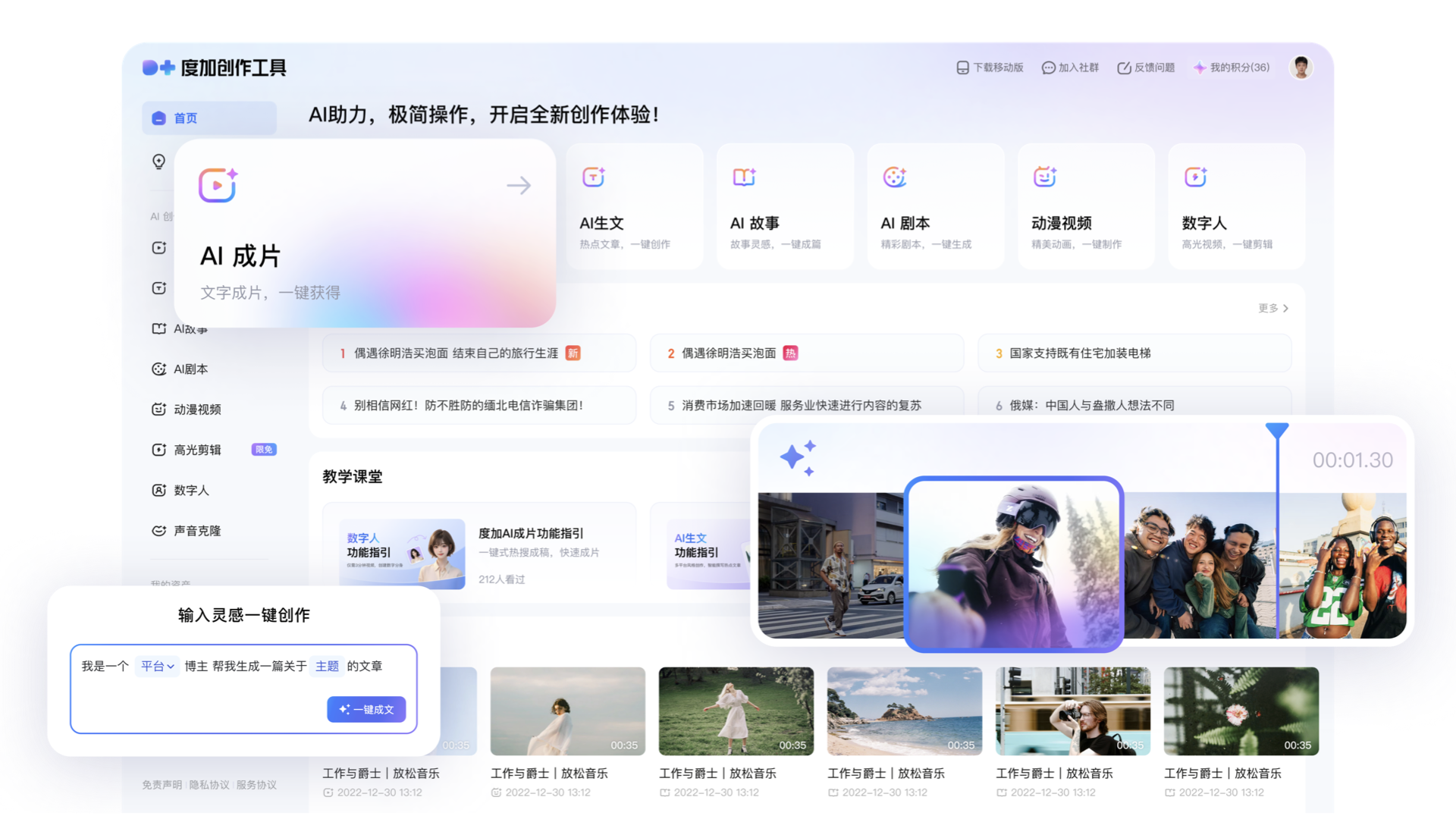 DuPlus AIGC Creation Tools
-
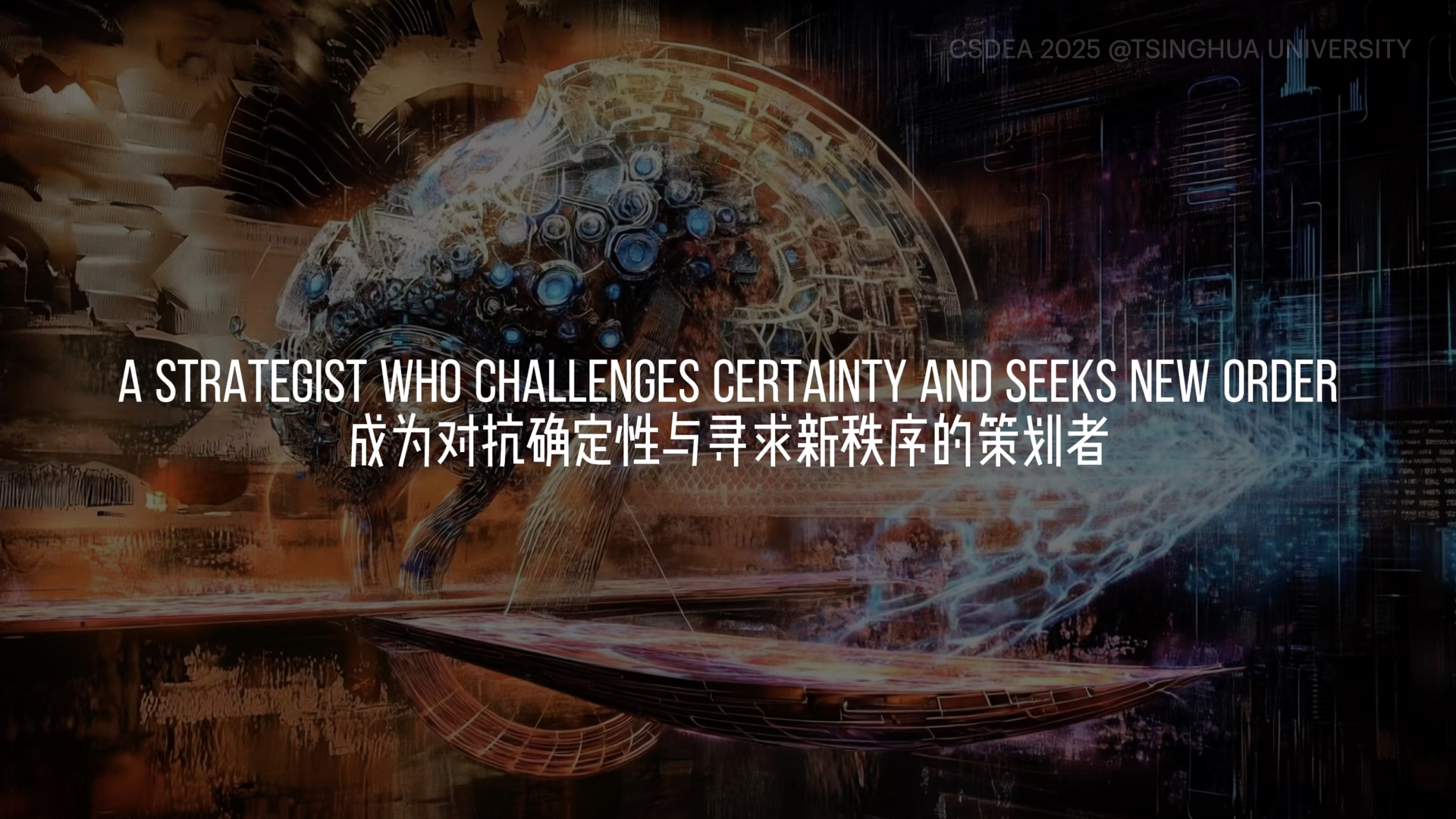 Concept Video 2025 – CSDEA
-
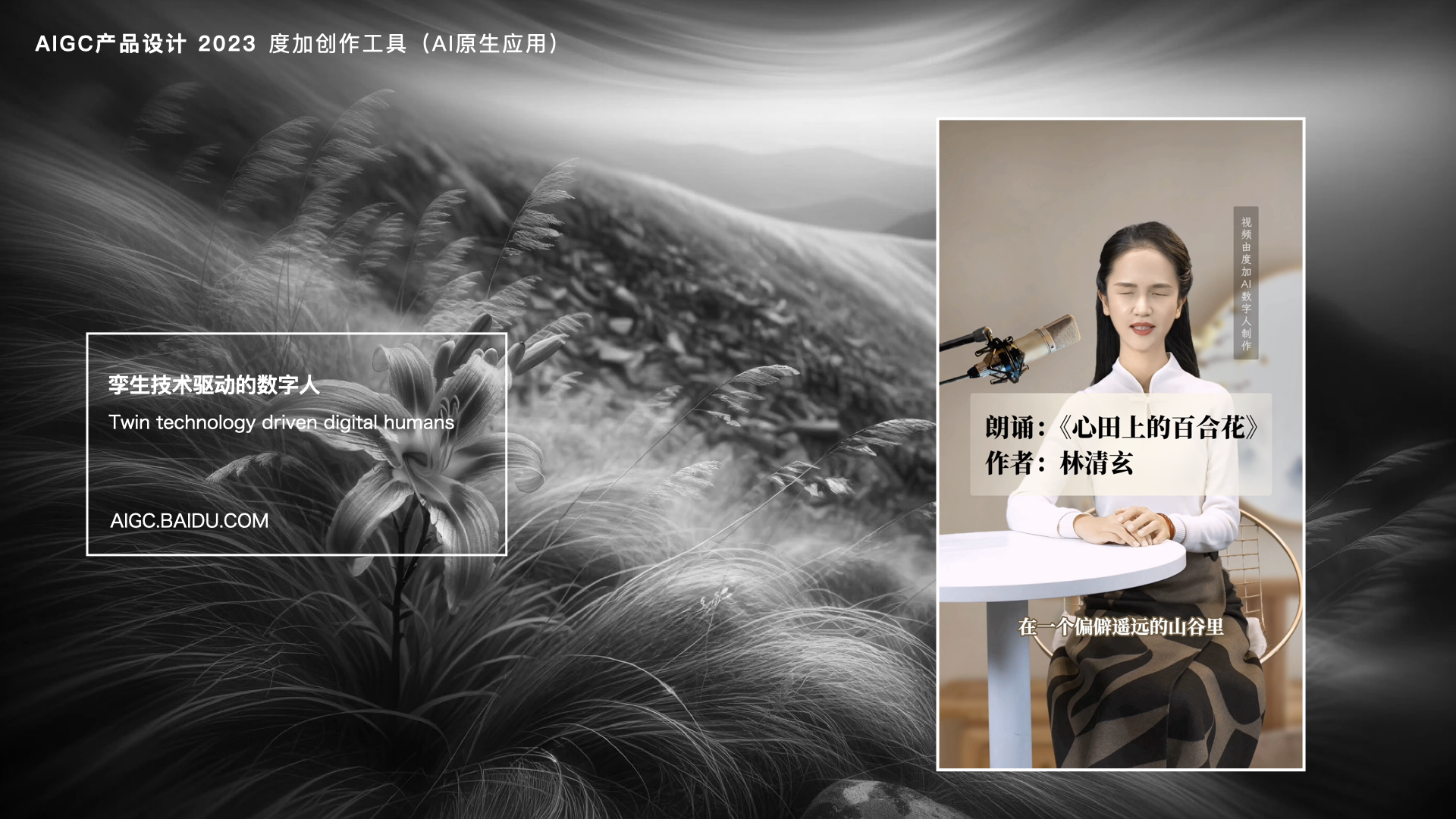 AIGC-Generated Digital Anchors
-
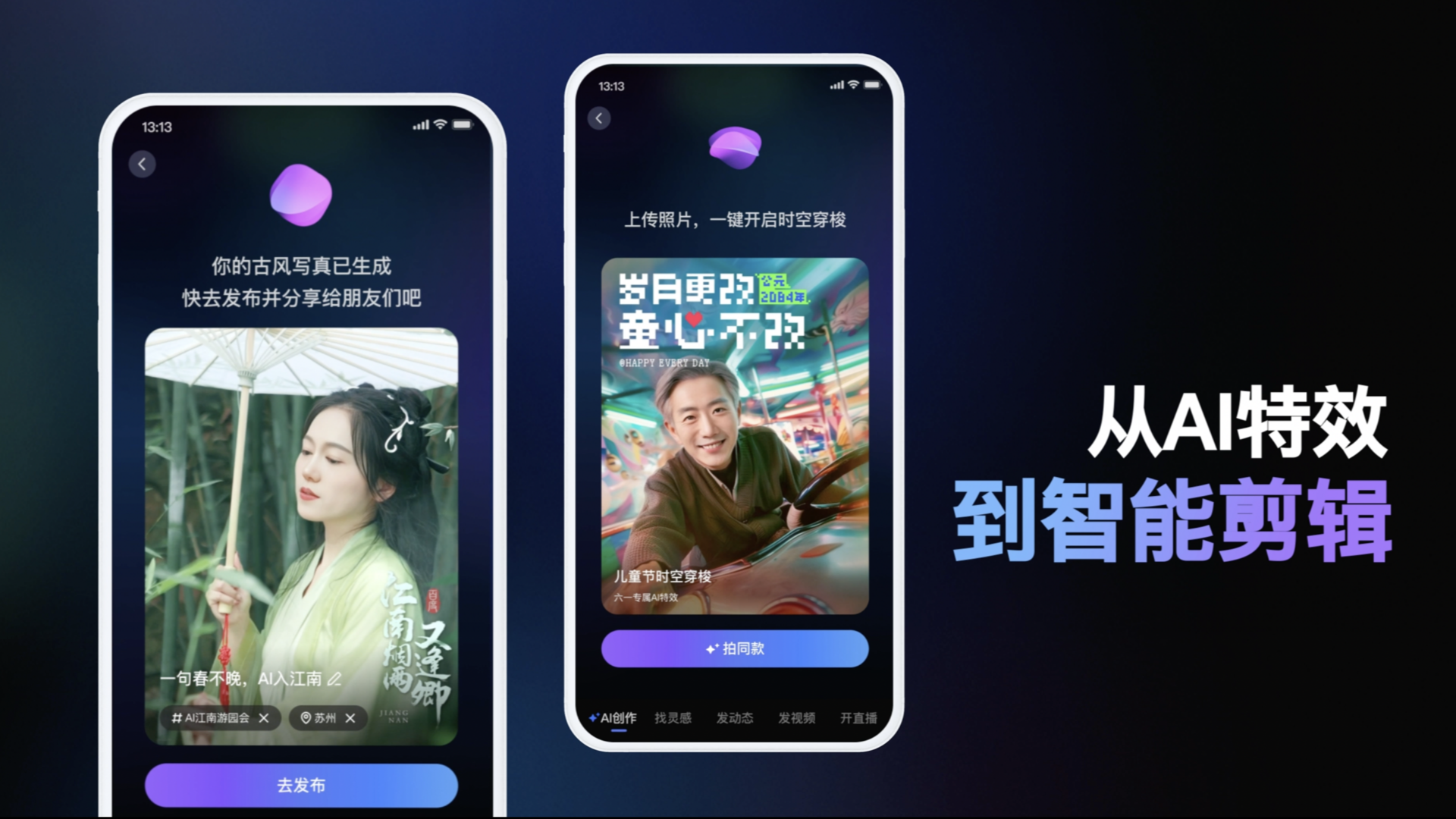 Baidu App – AI Publisher 2025
-
-
Speech 2:Design for AI/ML - Crafting the Future of Human-Centered Experience
Speaker:Chen Peitong ( Adobe,Senior Experience Designer)
As AI/ML continues to shape our world, designers are poised to lead the way in creating intelligent, human-centered experiences. In this talk, we'll explore the fascinating ways that AI/ML and design intersect, discover how designers can get involved in this cutting-edge field, and delve into the emerging role of AI/ML designers. From designing for user needs to creating new experiences with new technologies, we'll look into the essential skills and strategies for navigating the future of design. With industry insights, you'll leave this talk inspired to embrace the opportunities of AI/ML and create innovative designs that shape the world of tomorrow.
Work Case-
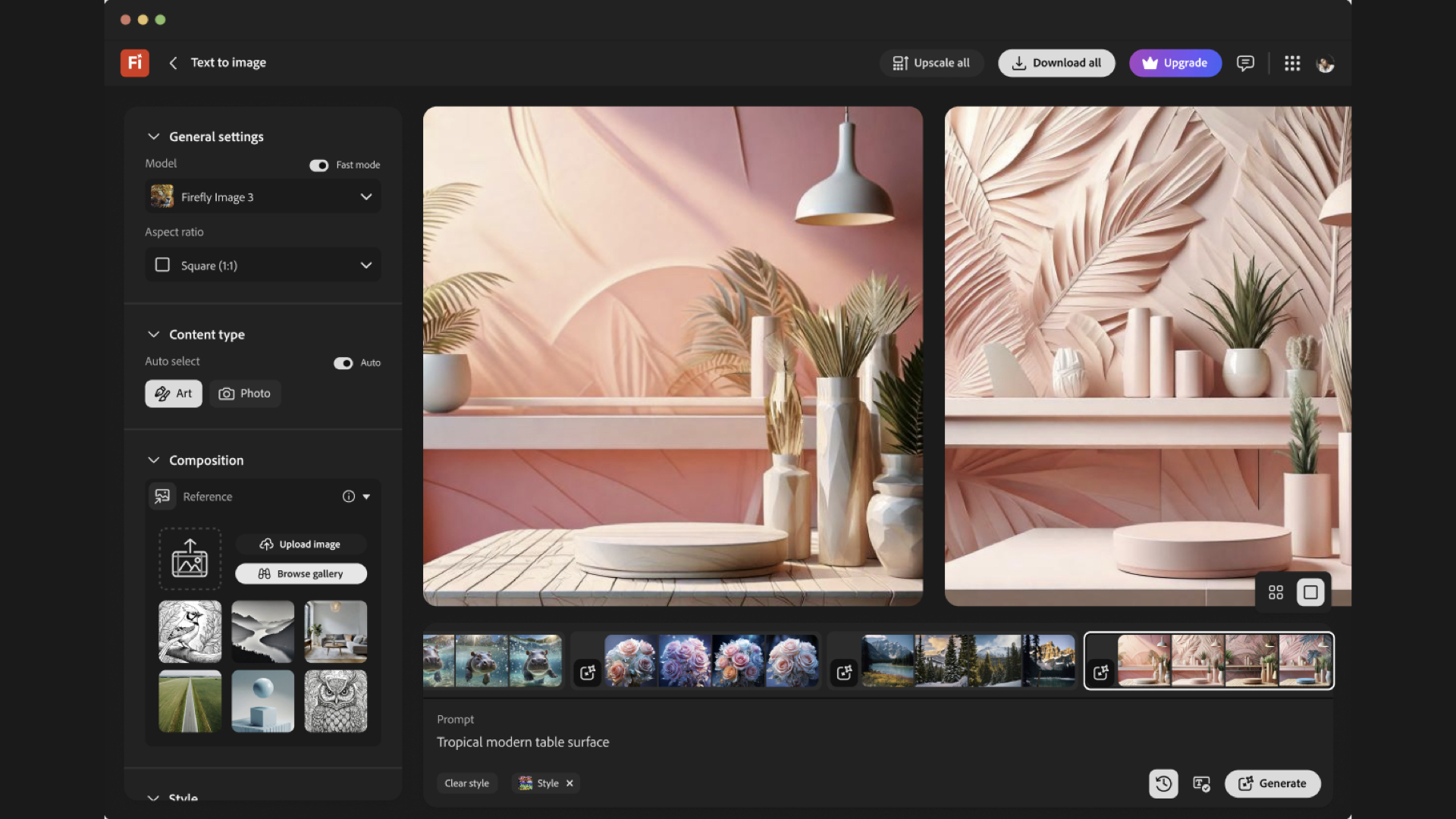 Text to image2
-
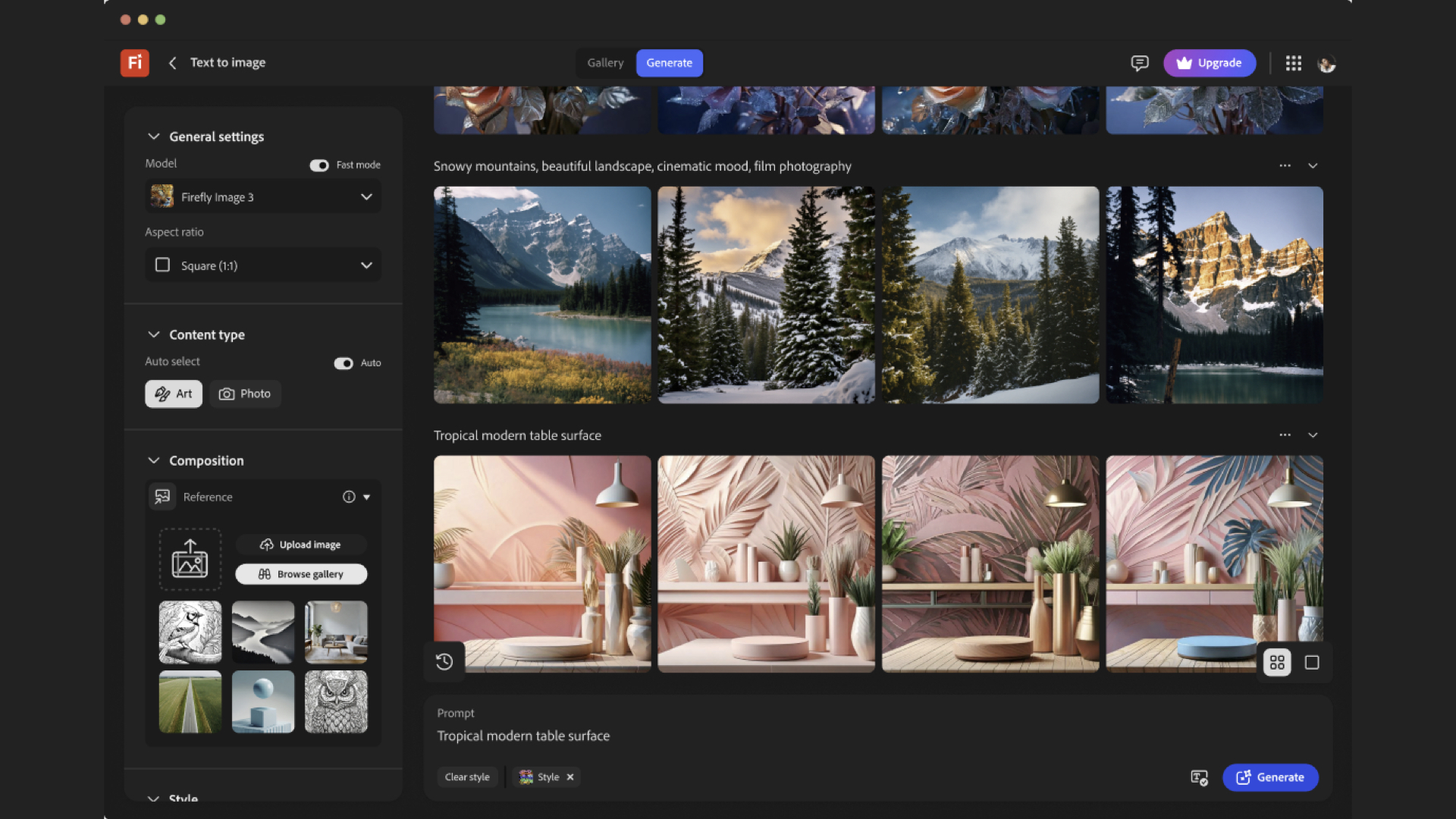 Text to image
-
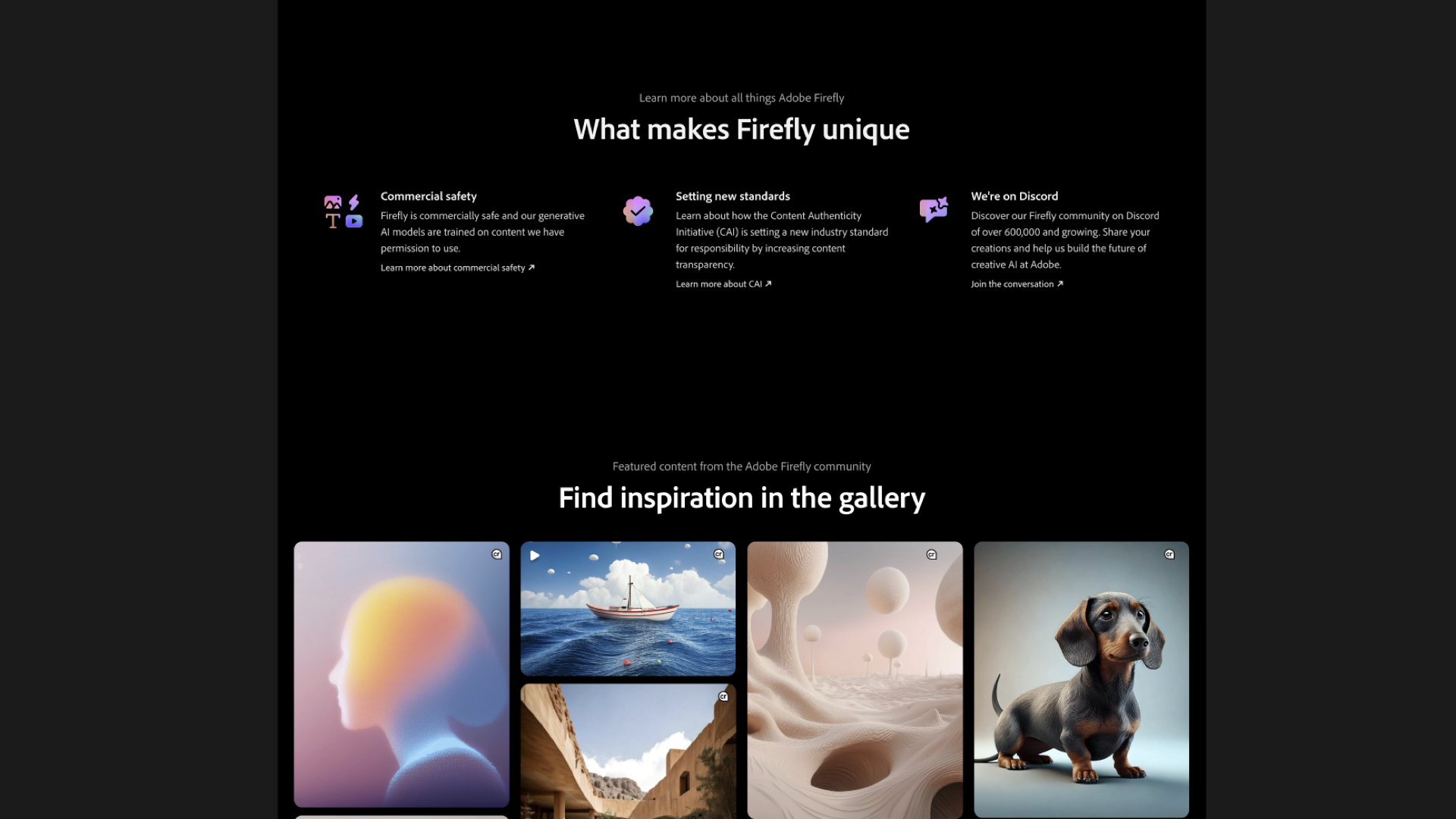 Inspiration
-
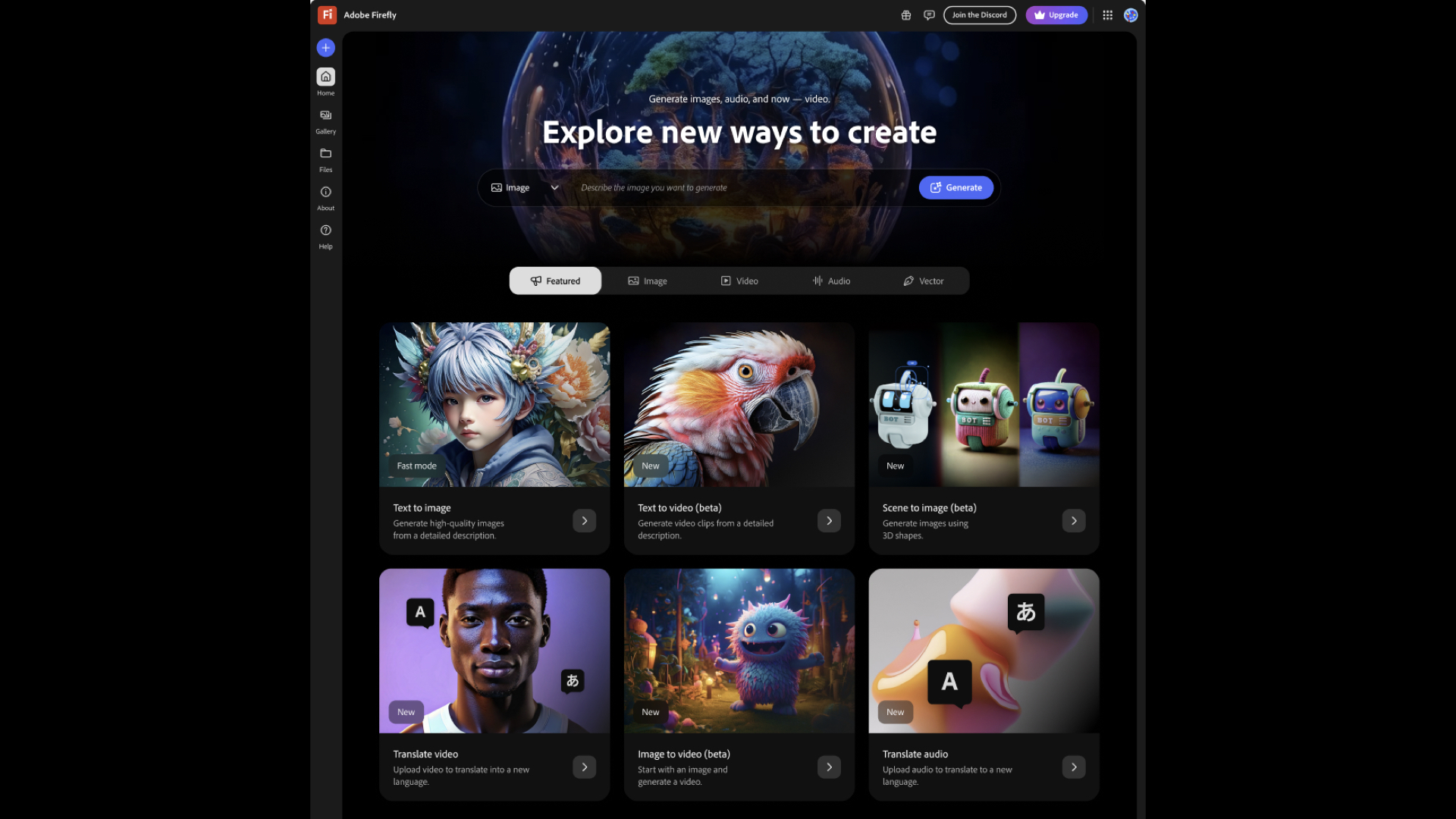 Firefly.com
-
-
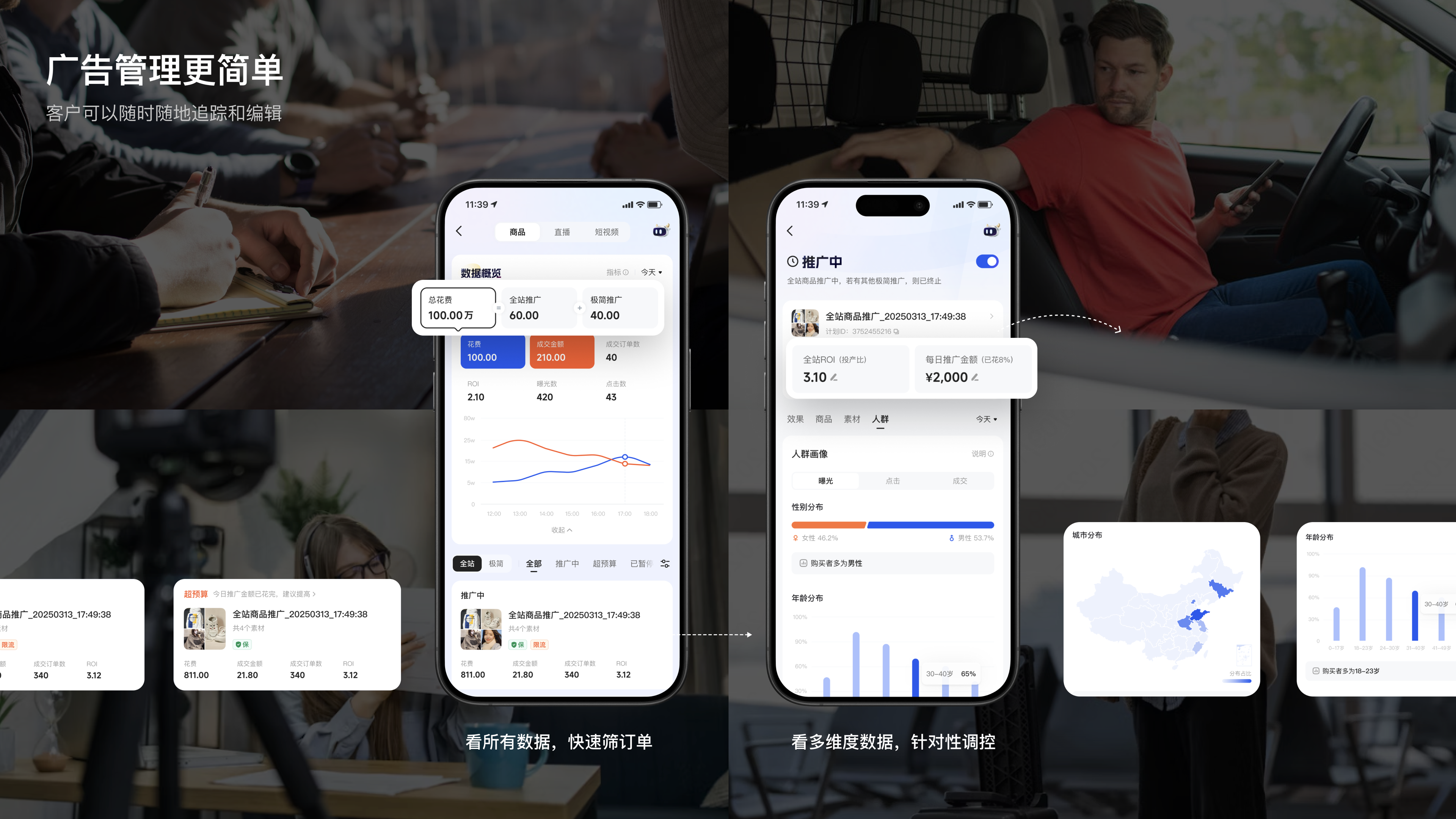
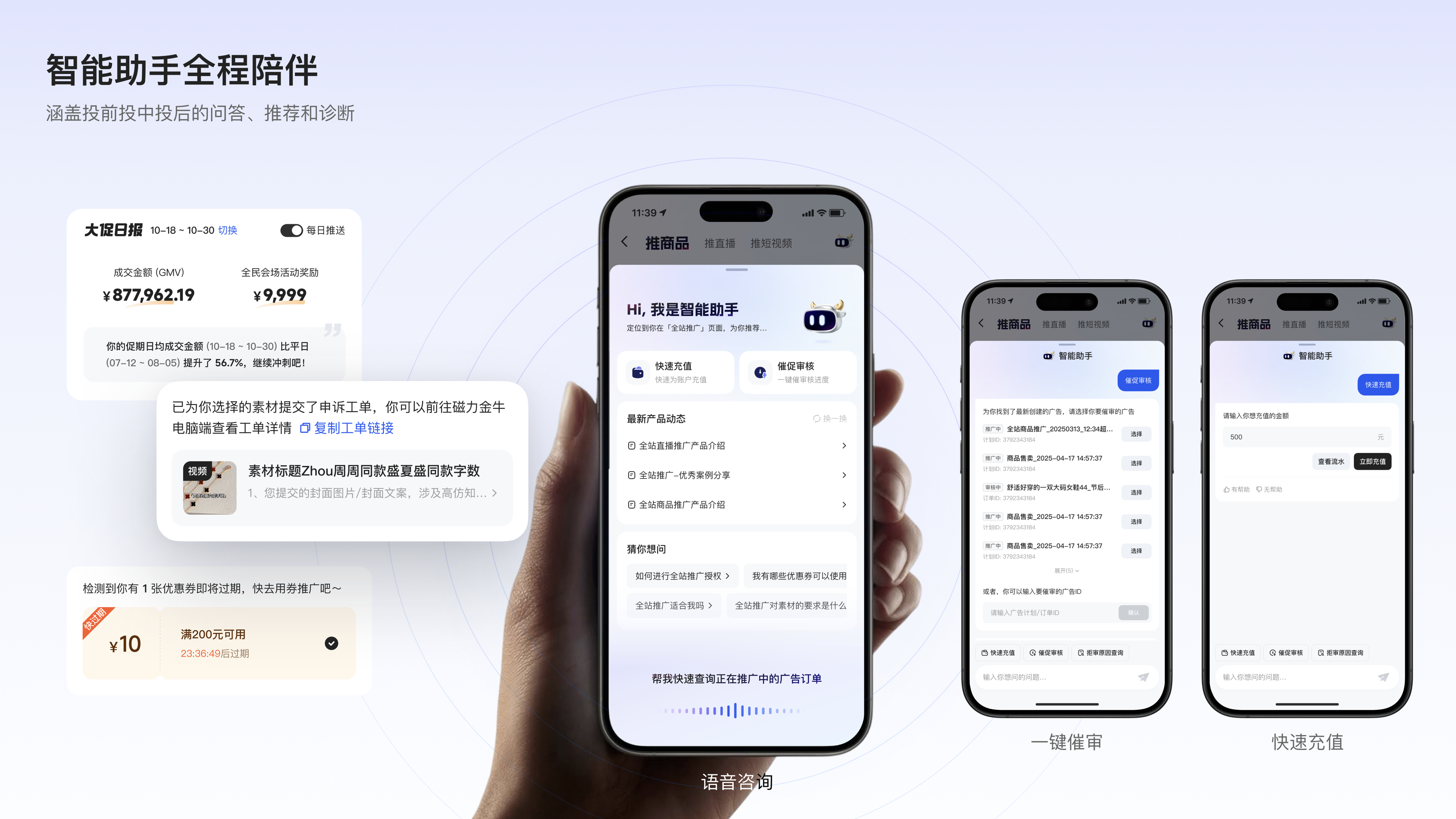
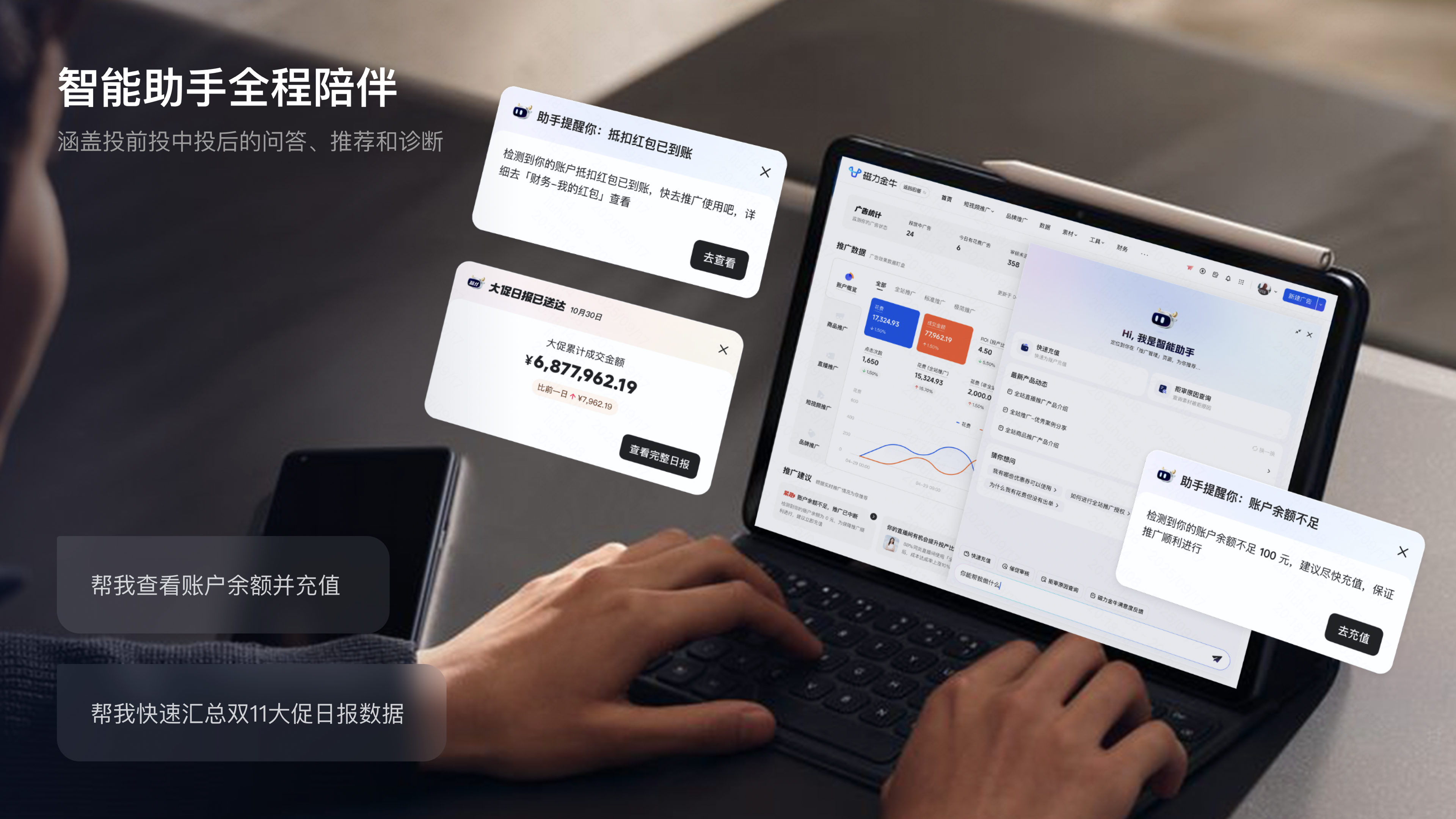
Speech 3:Ye Chen《Intelligent Restructuring Practices of an Ad Delivery Platform》
Speaker:Ye Chen ( Kuaishou,Head of E-commerce Advertising Design)
Amid the wave of AI reshaping industries, internet advertising stands as one of the most financially significant fields and is undergoing profound transformation driven by AI. Not long ago, ad delivery required highly specialized skills, giving rise to the profession of "ad optimization specialists." However, with breakthroughs in technology and algorithms, ad delivery is becoming increasingly simplified. At the heart of this efficiency revolution is the leap in platform intelligence, which is fundamentally redefining the role of designers.
In this session, we will deconstruct a successful case study of intelligent restructuring in an ad delivery platform. We will explore how the design team, grounded in user insights, proactively reimagined human-AI collaboration models and cleverly integrated AIGC-powered engines to transform complex AI algorithms into intuitive and user-friendly product features. This significantly lowered the barrier to ad delivery and ultimately empowered businesses to achieve self-serve operational growth at scale.
Beyond this case, we hope to spark a broader discussion: In this era of rapidly evolving AI, how can designers proactively address challenges within their domains? How can they translate sophisticated yet abstract AI concepts into actionable, trustworthy, and beneficial product experiences for users, thereby consistently delivering indispensable business value?
Work Case -
-
Speech 4:Cheng Yao《AlibabaCloud UES: AI Driven User Experience Measurement》
Speaker:Cheng Yao ( Alibaba Cloud,Experience Design Expert)
"Can experience be measured? How to verify the user experience of my product?"
User Experience measurement is a concern for every internet product. The UES (User Experience System) is a cloud product user experience measurement system developed by the Alibaba Cloud Design Center through years of design practice.
The advent of the AI era has brought new directions and opportunities for experience measurement. This presentation will introduce, based on the experience from over 100 Alibaba Cloud products, how AI technologies and tools can reshape the user experience measurement model. It includes the following aspects:
1、How to utilize AI technology to analyze vast amounts of user feedback to generate a measurement model suitable for one's own product.
2、How to build a comprehensive index library and toolchain to transform experience measurement from manual to automated, from subjective to objective.
3、How to enable AI to understand experiences, through continuous training, simulate user feedback, and intelligently and efficiently complete experience measurement.
This content aims to provide insights into using advanced AI techniques for measuring and improving user experience effectively, ensuring that the product meets users' needs while enhancing satisfaction and loyalty.
Work Case-
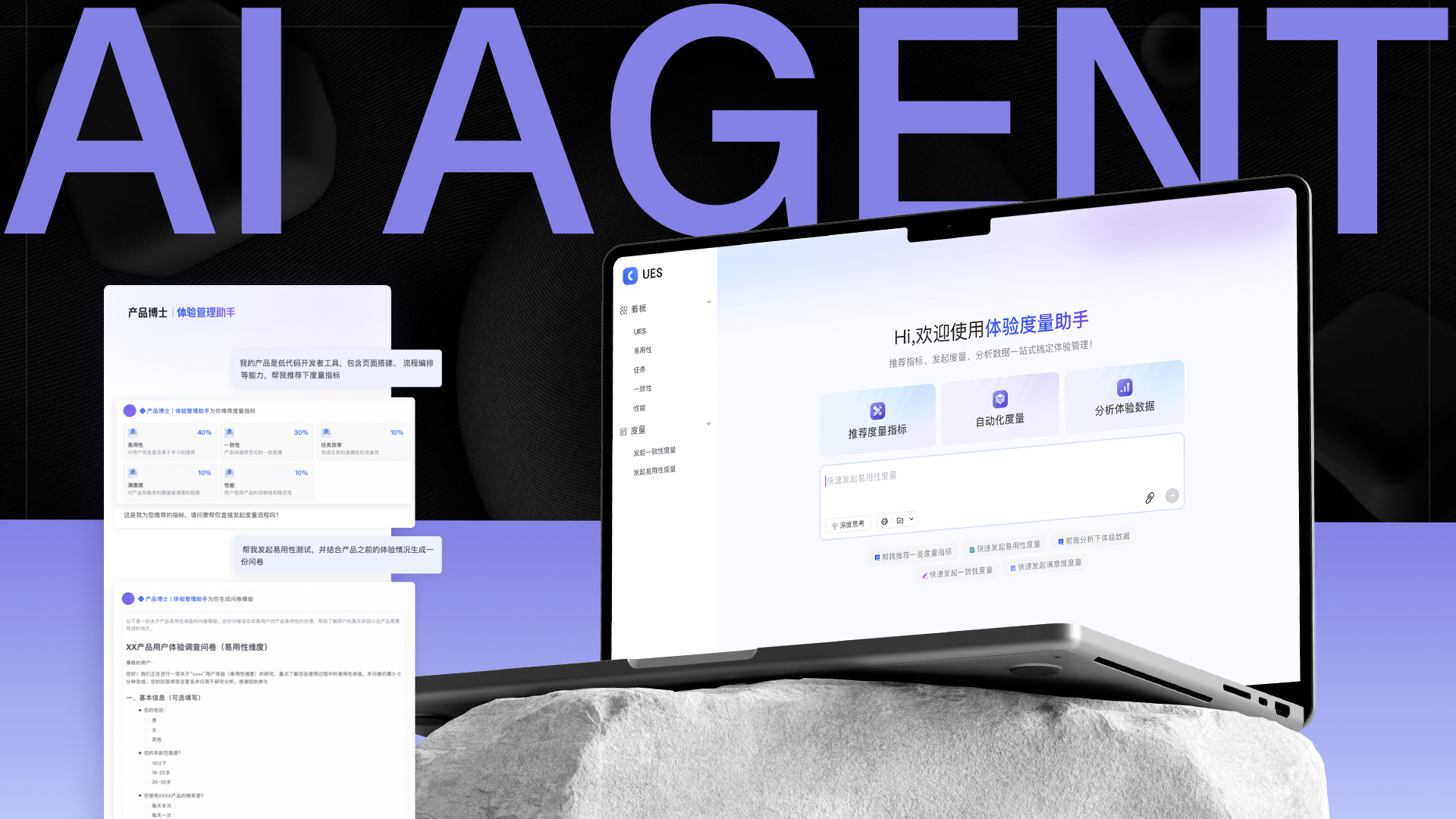 Cheng Yao - Alibaba Cloud Experience evaluate Agent
-
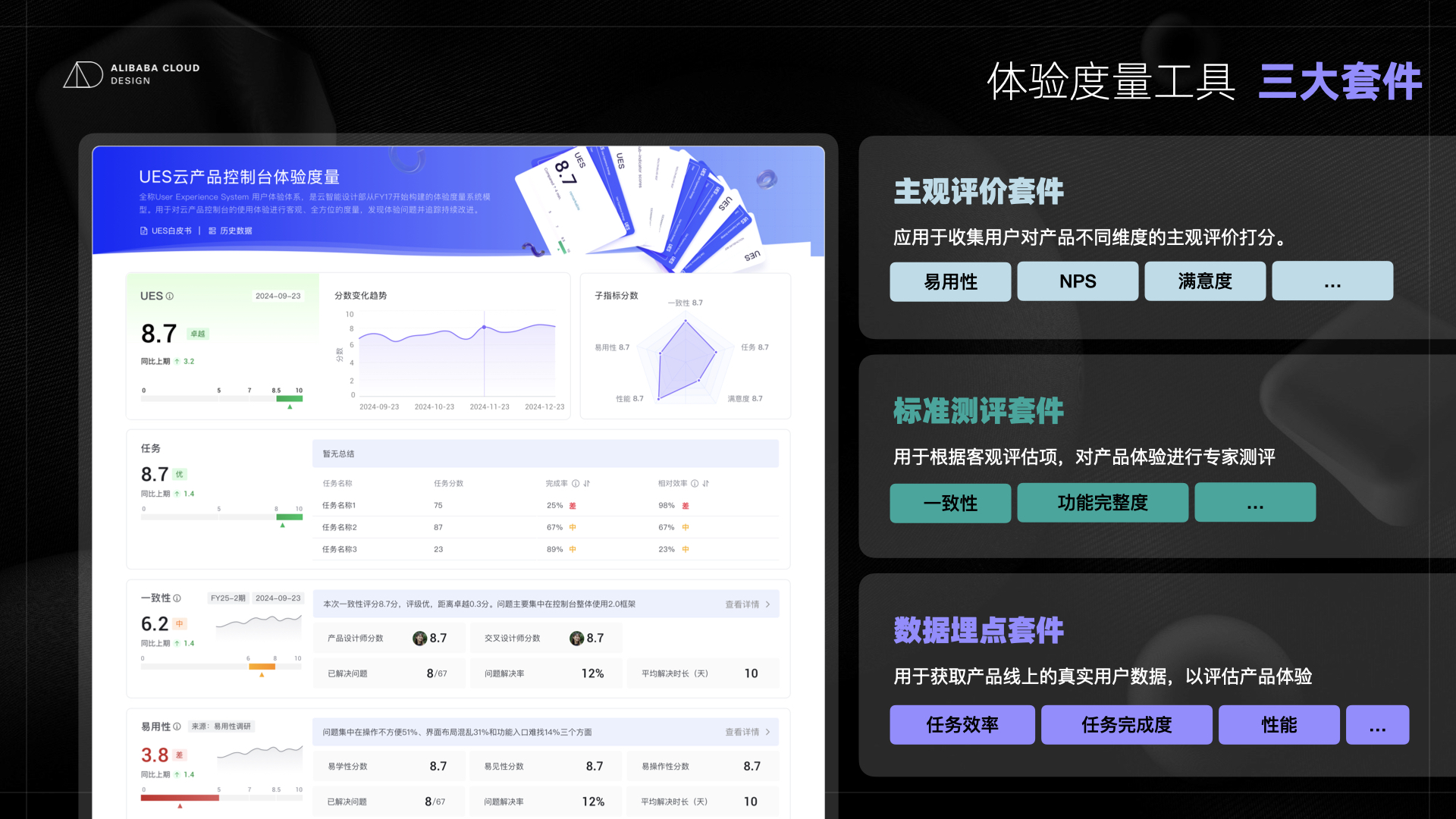 Cheng Yao - Alibaba Cloud UES Experience Measurement Tool Suite
-
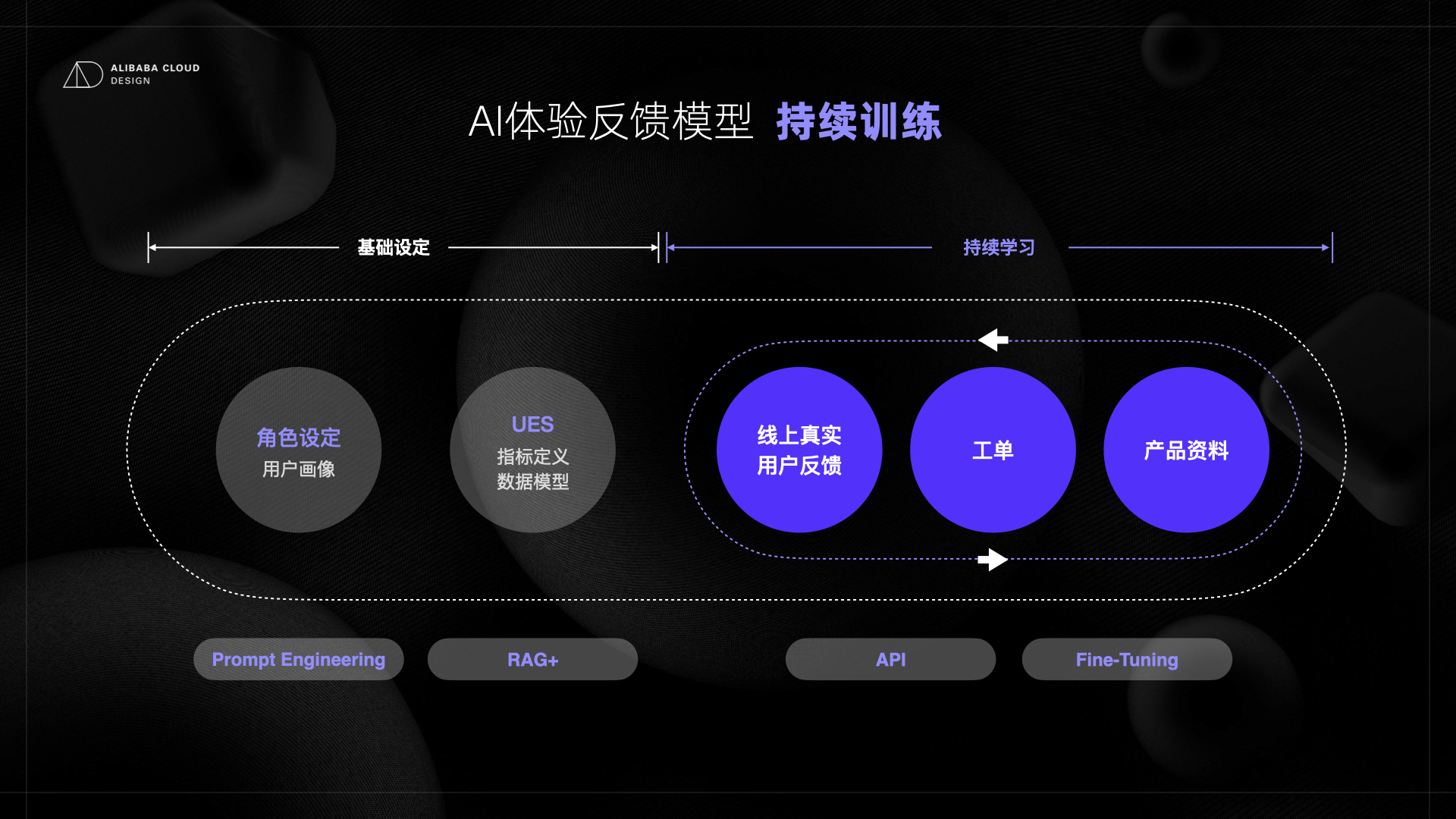 Cheng Yao - Continuous Training Mechanism for Experience Evaluation Models
-
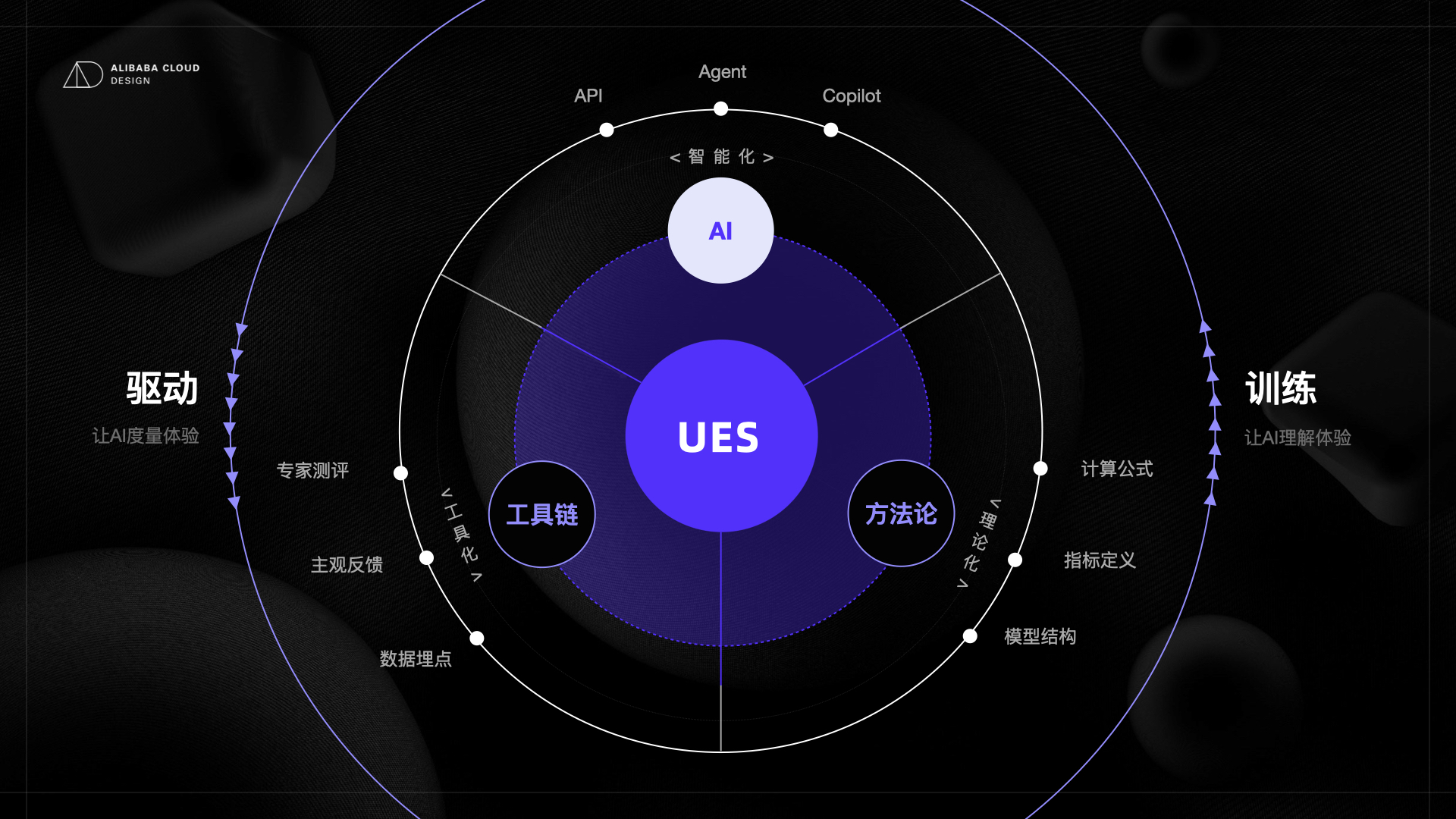 Cheng Yao - UES:AI-Driven Experience Measurement Model
-
-
Speech 5:Richard Chang《Retail Design Trends and Vision: Human-Machine Symbiosis in the Age of AI》
Speaker:Richard Chang ( Gensler,Studio Director & GC Retail Leader)
Gensler’s keynote speech will delve into the future of retail design, with a core philosophy centered on human-centric design and experience-driven spatial innovation. We will demonstrate how retail spaces are evolving into dynamic ecosystems that redefine consumer experiences through the coexistence of technology and humanity. Gensler believes that the future of retail design is not merely a commercial vehicle but a bridge connecting people, technology, and society. Through innovative and responsible design, we empower retail to become a positive force driving global sustainable development. By integrating experiential storytelling, we create spaces where commerce serves as a catalyst for cultural and environmental regeneration. Join us as we explore how retail can foster a more connected, sustainable, and equitable world.
Design Trend 1: Immersive Experience Ecosystems
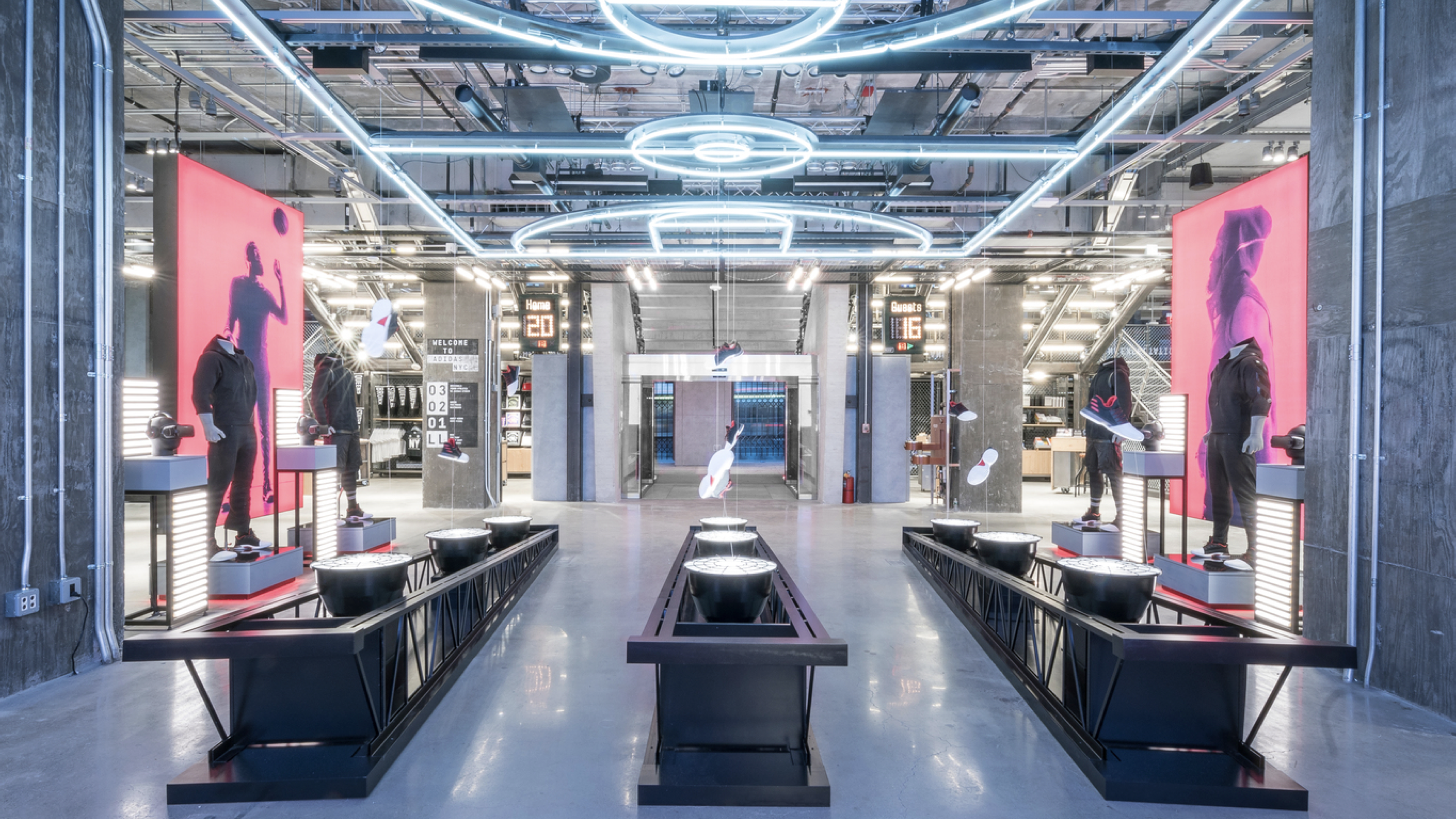
Gensler reimagines retail as multisensory, human-centric spaces that blend physical and digital layers. Taking the UGG Xintiandi Flagship Store and the Beijing JD Experience Center as examples, we emphasize the creation of places that merge the metaverse, personalized services, and interactive installations to forge emotional connections.
Design Trend 2: Intelligent Design for a Sustainable Future
Sustainability remains a core principle at Gensler. We advocate for circular retail systems that integrate recycled materials and energy-efficient technologies to reduce resource waste and enhance long-term ecological benefits.
Design Trend 3: Cross-Cultural and Community-Oriented Design
Retail spaces must transcend transactional functions to become cultural and social hubs. The New York Adidas Flagship Store incorporates local art and community workshops to foster a sense of belonging, while ANTA’s Champion Store in China combines Olympic heritage with product customization, delivering a hybrid experience blending cultural storytelling and technological personalization.
Work Case -
-
Speech 6:Feng Ting《Product Originality, Redefining the Beauty of Personalization》
Speaker:Feng Ting ( HONOR,Chief Aesthetics)
In the future, as people face the challenges of the "loneliness economy" and high-pressure environments, joy will become an increasingly important emotional need. People are putting more value on creativity and a playful spirit, and brands need to connect with users by sparking their creativity and creating moments of happiness. User needs have shifted from basic functionality to emotional connection. At the same time, AI and other tech innovations, along with more human-centered experiences, will be key competitive advantages. HONOR Magic OS always keeps a close eye on changing consumer needs, insisting on artistic exploration, product innovation, and unique interactive experiences to stay at the forefront of fashion. In this course, HONOR’s Chief Aesthetics Officer will dive deep into the methodology behind creating star products.
1. How to build product originality:
1.1 In an era that values self-pleasure and aesthetics, always follow a "people-first" design approach.
1.2 The core principle of personalized design is to meet user needs, so truly understanding those needs is crucial.
2. How to understand the relationship between brand, product, and user:
2.1 Use product thinking to build a brand system that stays closely aligned with what users want.
2.2 By deeply understanding users, you can create a strong bond between the brand and its products, boosting user satisfaction and loyalty.
By applying these methods, HONOR Magic OS not only enhances product originality and personalized design, but also builds a strong connection with users—redefining the beauty of personalization.
Work Case-
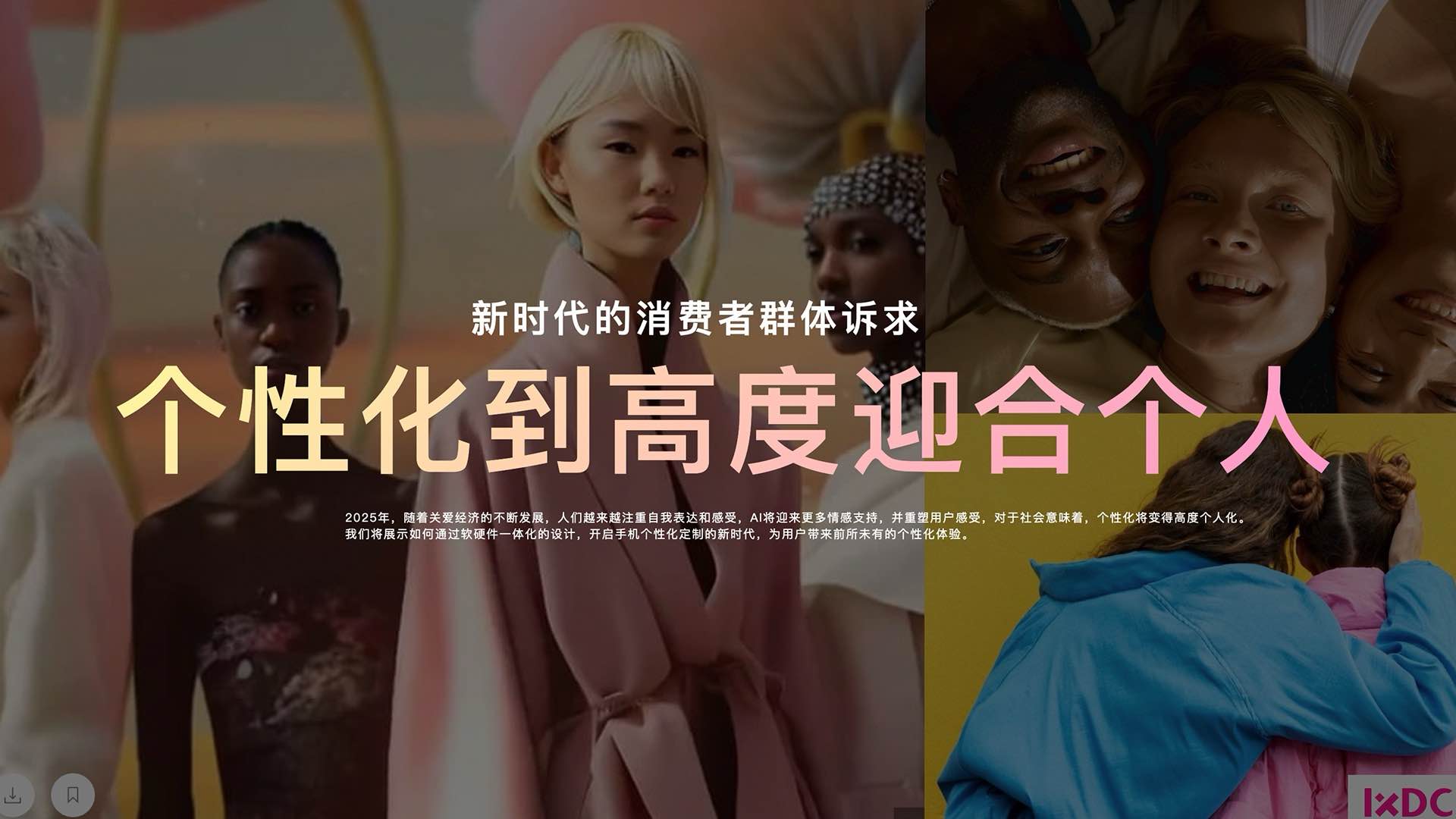 In this era of self-expression and individuality, how can we create designs that truly resonate with young people?
-
 The small foldable device pushes the boundaries of imagination with a cross-disciplinary mindset.
-
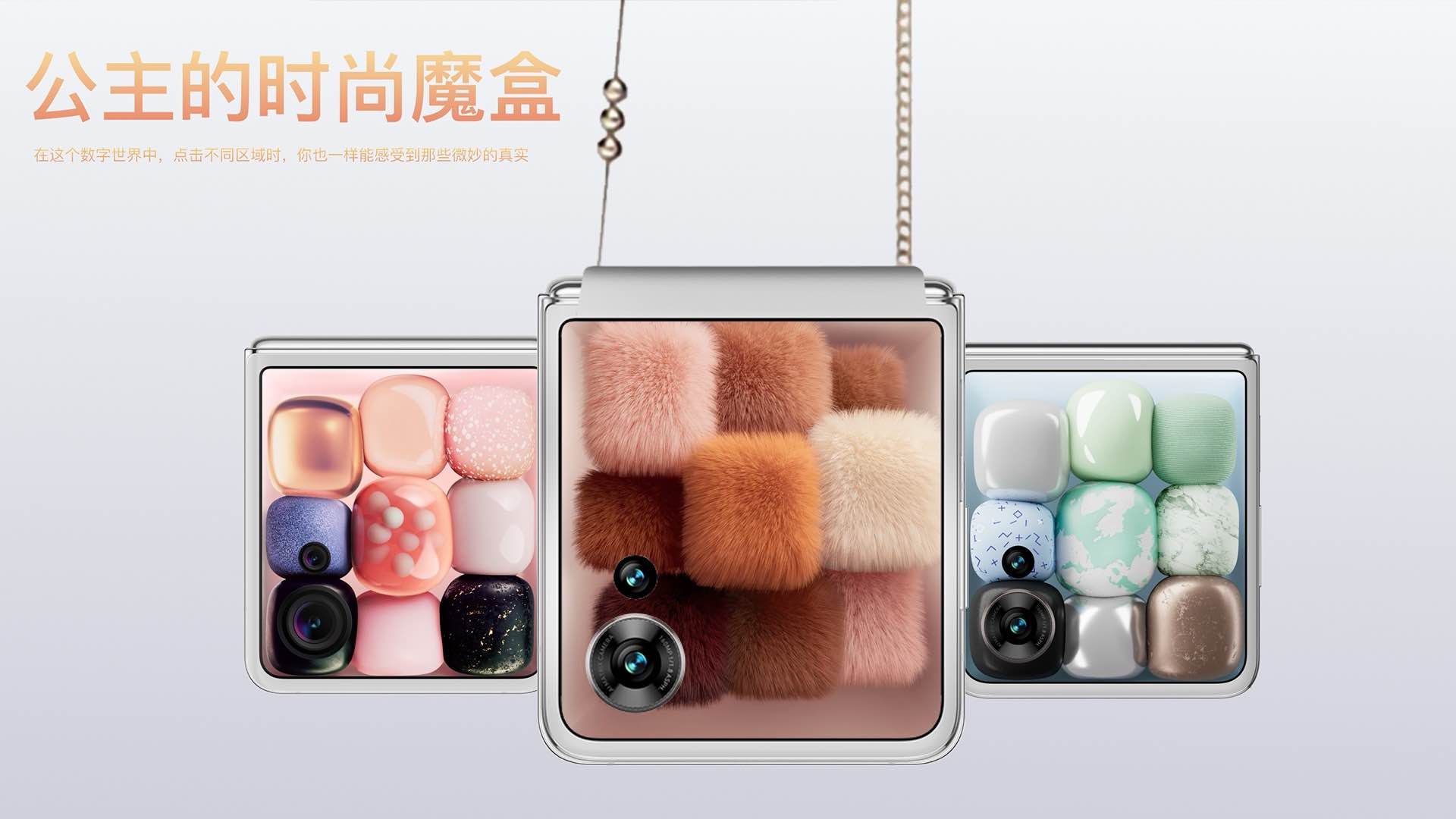 maintaining product originality is the most important design principle today.
-
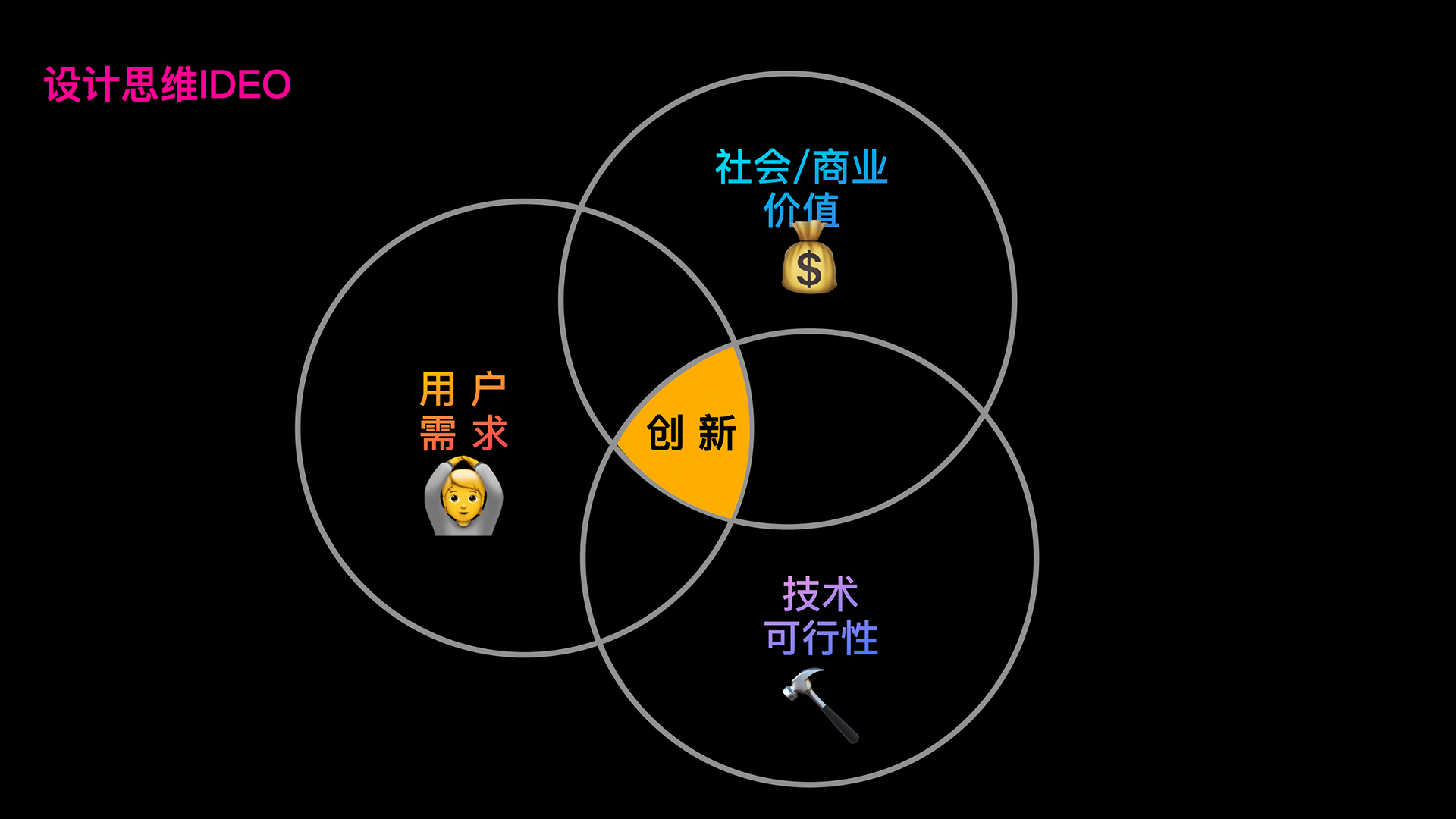 Design-driven thinking is at the heart of true design value
-
-
Speech 7:Lu Yu《 The Present and Future of Xiaomi TV System Design》
Speaker:Lu Yu ( Xiaomi TV,System Experience Design leader)
As a leading smart TV brand, Xiaomi TV operates in a fiercely competitive market where users’ demands for product experience continue to rise. How to continuously elevate our TV system experience to meet these expectations is a critical challenge requiring our full dedication.
Key Topics:
Current State of Xiaomi TV Systems
Solutions to Current Challenges
Future Trends in Television
Work Case-
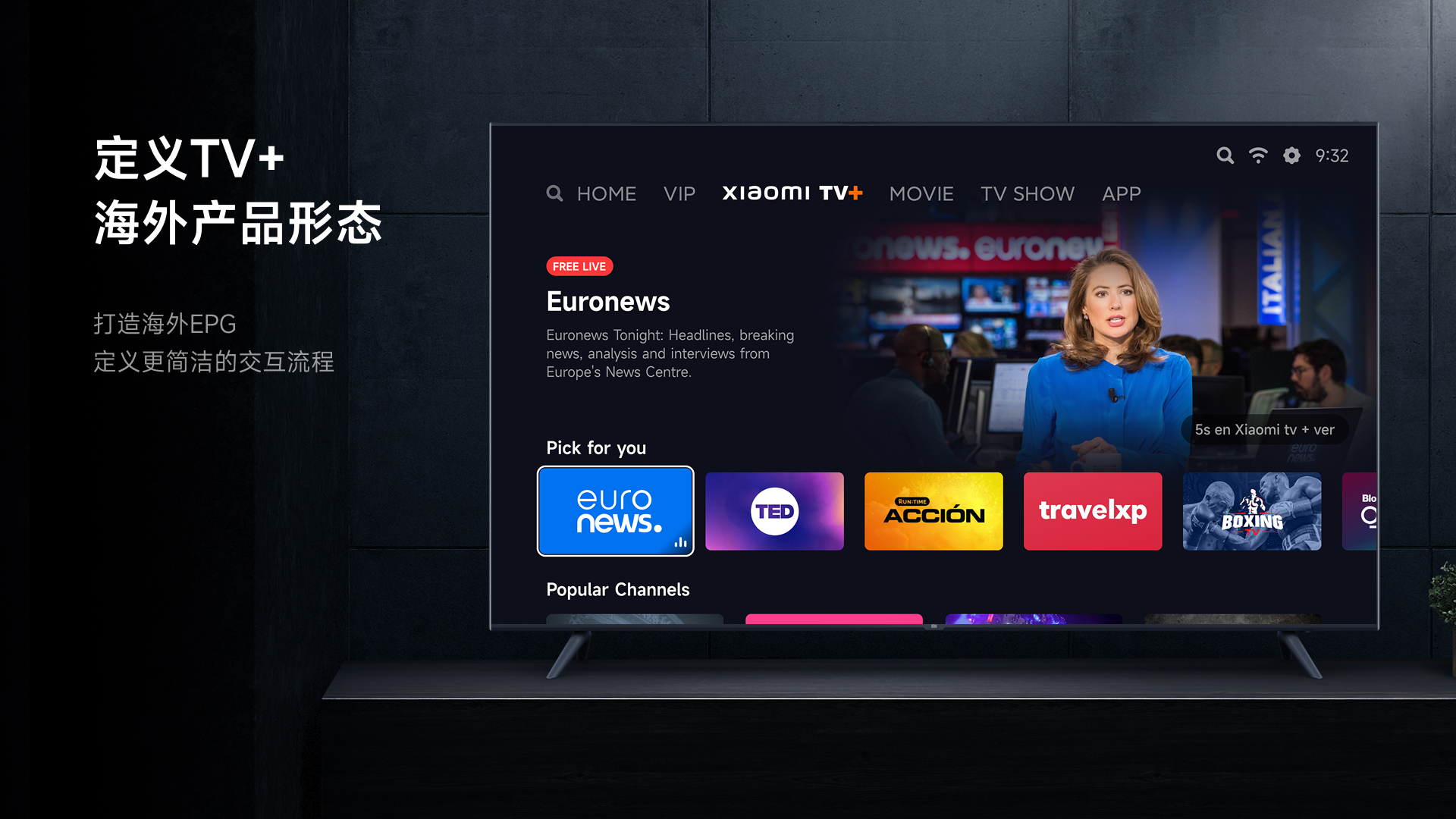 定义TV+海外产品形态
-
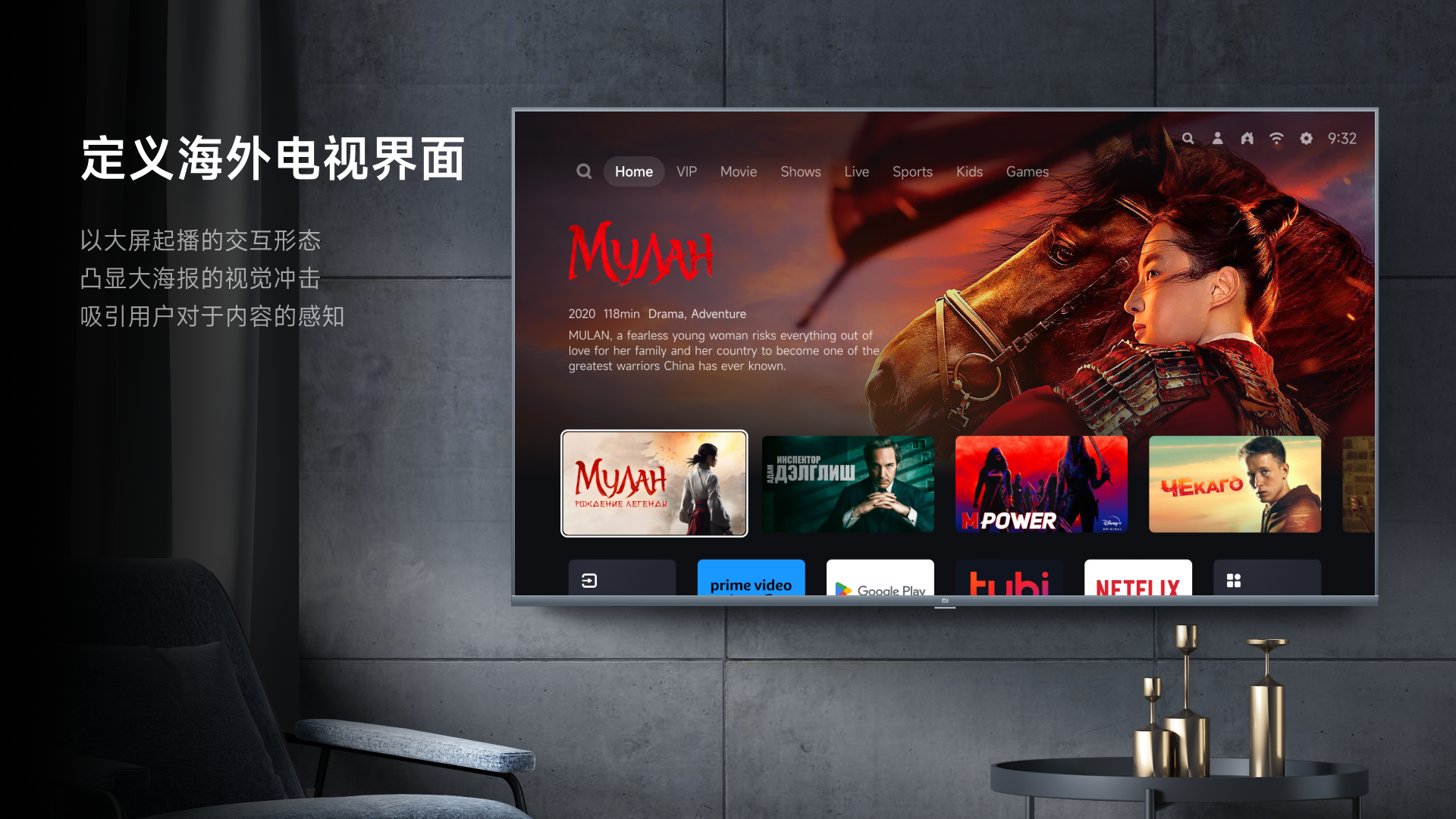 定义海外电视界面
-
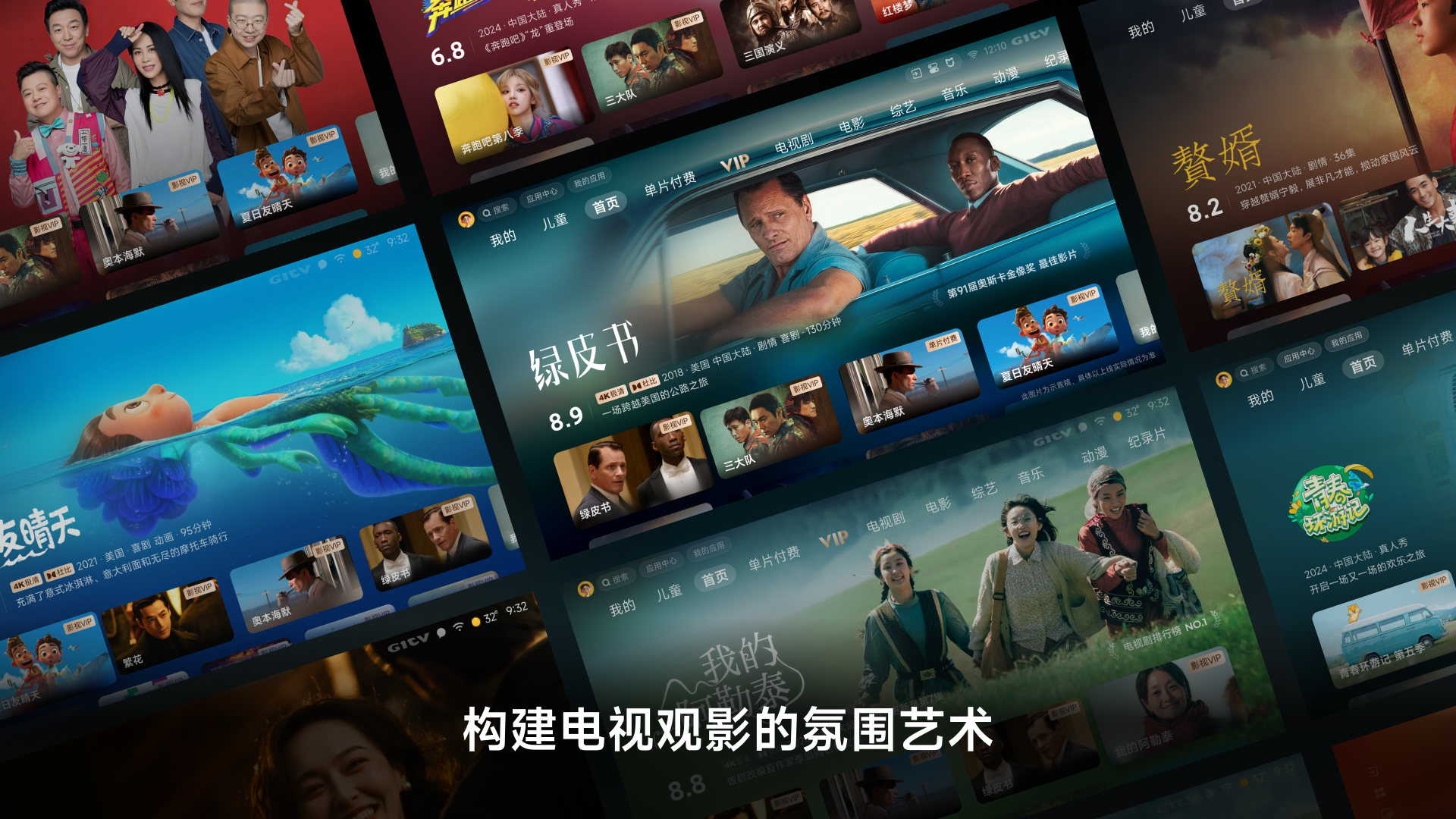 构建电视观影的氛围艺术
-
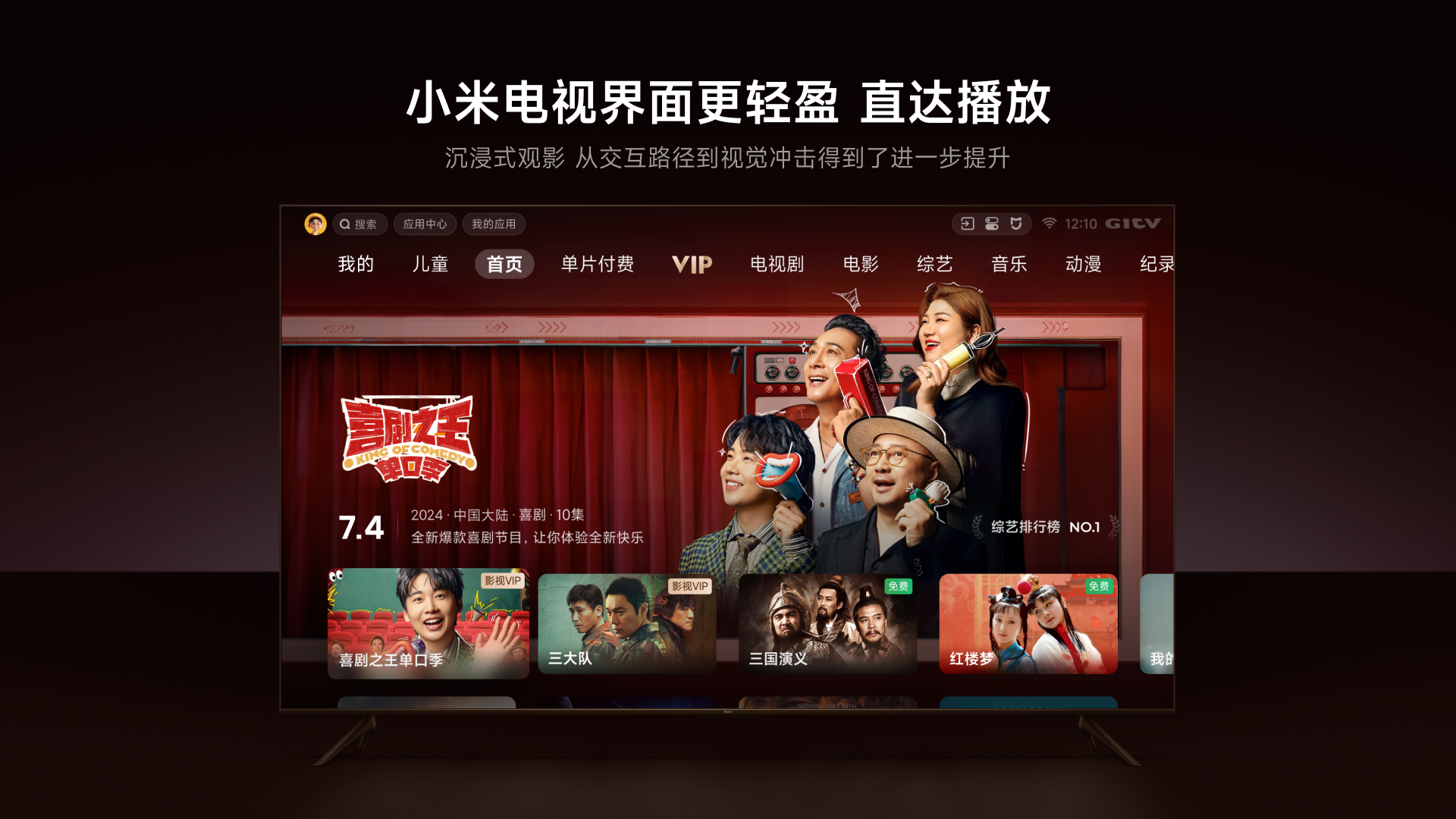 小米电视界面
-



1. Product/UX designers seeking AI empowerment
2. Product leaders and decision-makers shaping AI strategy
3. Developers, researchers, and corporate innovation leads driving implementation
4. AI entrepreneurs and investment strategists
1. Master cutting-edge Generative AI applications across content, UX measurement, and design
2. Decode AI implementation frameworks from Microsoft, Adobe, Baidu, and Alibaba Cloud
3. Learn workflow transformation and super-individual growth models via "AI+Design" synergy
4. Acquire commercialization strategies: pricing, scaling, and ethical risk management
5. Engage with AI pioneers from Silicon Valley, Seattle, and Beijing