-
 Hugh Dubberly
Dubberly Design Office Principal
Former Creative Director of Apple
Hugh Dubberly
Dubberly Design Office Principal
Former Creative Director of Apple
Hugh Dubberly studied graphic design and received a BFA from Rhode Island School of Design and an MFA from Yale University.
At Apple Computer for nearly ten years, Dubberly was a Creative Director, managing graphic design and corporate identity; he also produced the technology-forecast film “Knowledge Navigator,” presaging the internet and interaction via mobile devices. At internet pioneer Netscape for five years, he was Vice President of Design, managing groups responsible for the design, engineering, and production of Netscape’s web services. In 2000, he co-founded Dubberly Design Office, a systems, software, and service design consultancy. Much of the practice focuses on systems that support health and wellbeing, for clients such as Accenture, Alere, Amgen, Johnson & Johnson, Lilly, Robert Wood Johnson Foundation, and a range of start-up firms.
Dubberly has served on AIGA’s national board, the SIGGRAPH Conference Committee, and chaired ACD’s “Design for the Internet” Conference.
Dubberly has taught design courses at San Jose State, Art Center, CMU, Stanford, IIT/ID, Northeastern, CCA, and UC Berkeley. He edited a column “On Modeling” for the Association of Computing Machinery’s journal, Interactions, and has published more than 50 articles on design. He was elected to the ACM CHI Academy; named a Fellow of the AIGA; and nominated for the Smithsonian’s Cooper-Hewitt Museum National Design Award three times.
The Rise of Design for Agents
The idea of "intelligent agents" as a component of user interfaces has been part of science fiction at least since Arthur C. Clarke wrote “2001: A Space Odyssey” (1964) and the “StarTrek” TV series appeared (1966). Apple also demonstrated the idea in its future vision film, “Knowledge Navigator” (1987).
[I led the team that produced the film at Apple.]
https://www.youtube.com/watch?v=umJsITGzXd0
Almost 40 years later, “real” intelligent agents are beginning to show up in software systems. And we are seeing a new form of design emerge to help plan and create these agents — Agentic Design or Design for Agents.
Just as interaction design largely superseded traditional graphic design,
we might reasonably imagine that agentic design will largely supersede traditional interaction design.
This talk will outline the emerging “space” of intelligent agents and approaches to a design process for creating them.
1、 Learn about a new and emerging field of design practice.
2、Understand more about the types of agents we are starting to encounter.
3、Take away specific steps for designing agents.
-
 Apple Knowledge Navigator(1987)
-
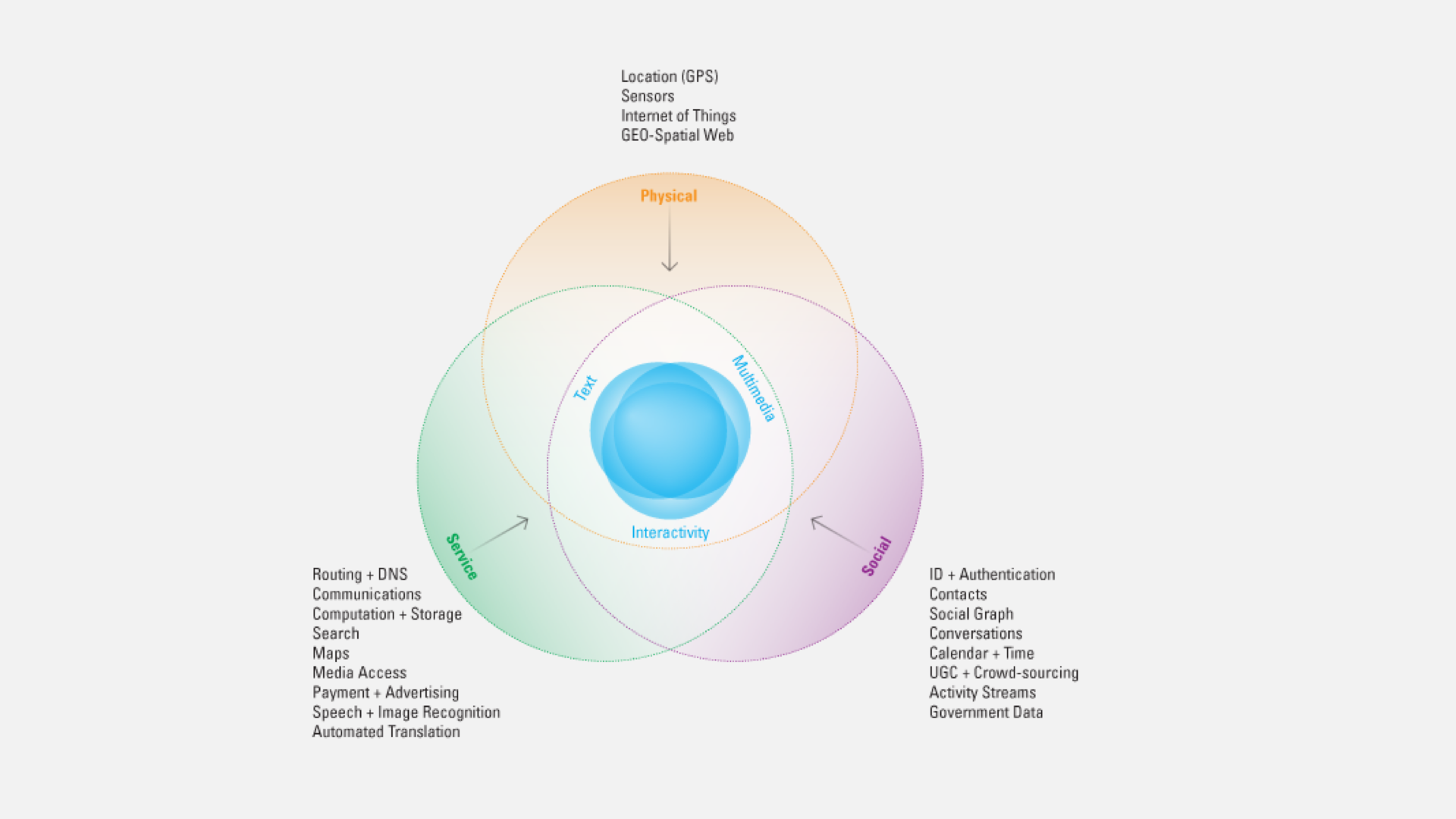 Convergence 2.0 = Service + Social + Physical
-
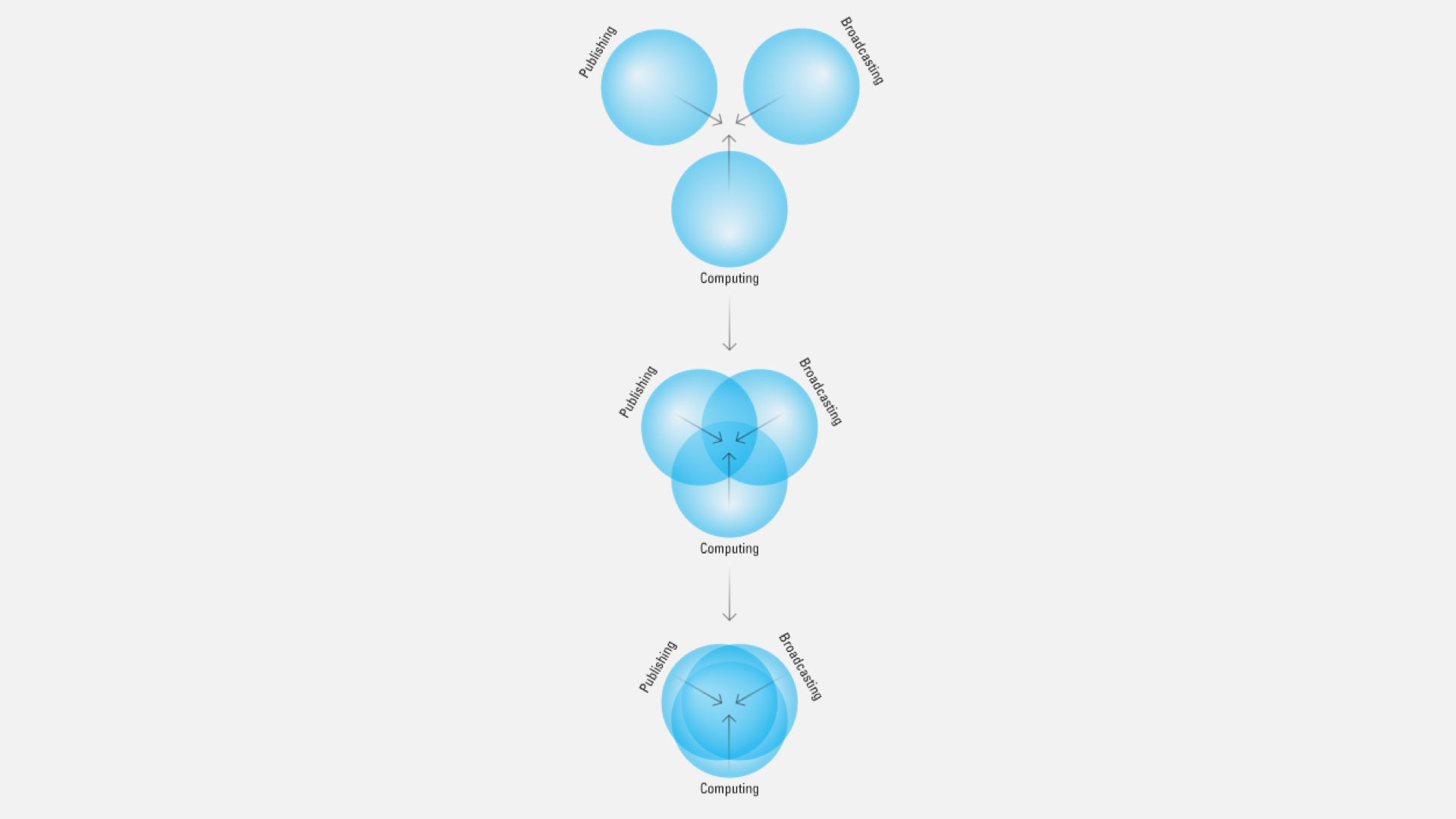 Convergence 1.0 = Publishing + Broadcasting + Computing.
-
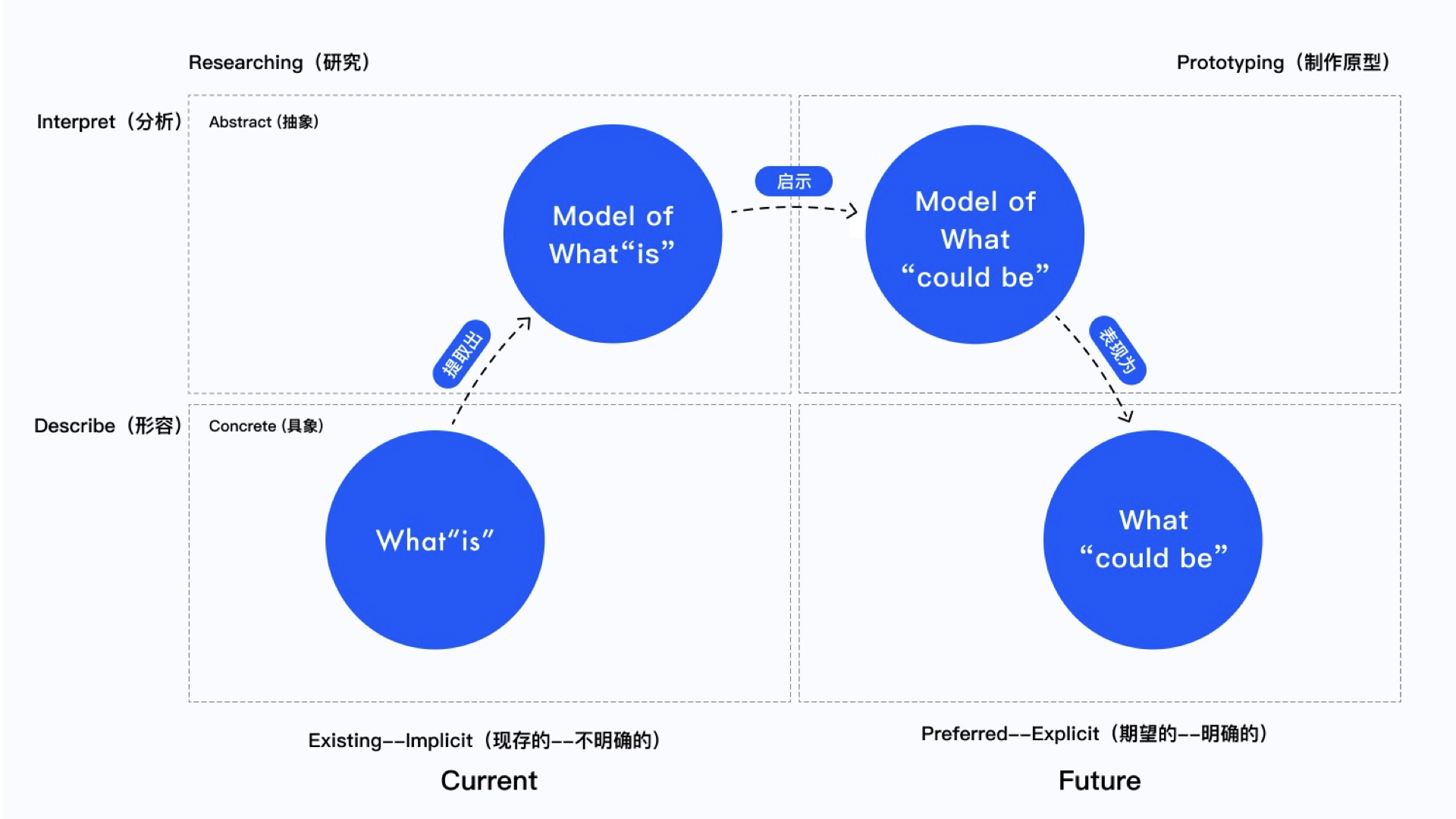 Analysis-Synthesis Bridge Model