-
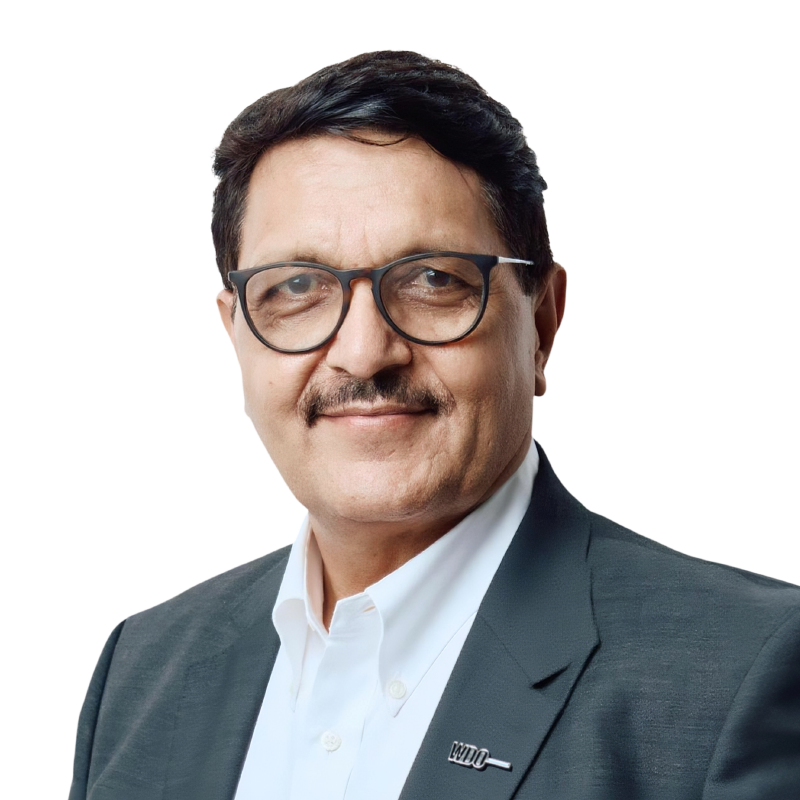 Pradyumna Vyas
World Design Organisation
President
Pradyumna Vyas
World Design Organisation
President
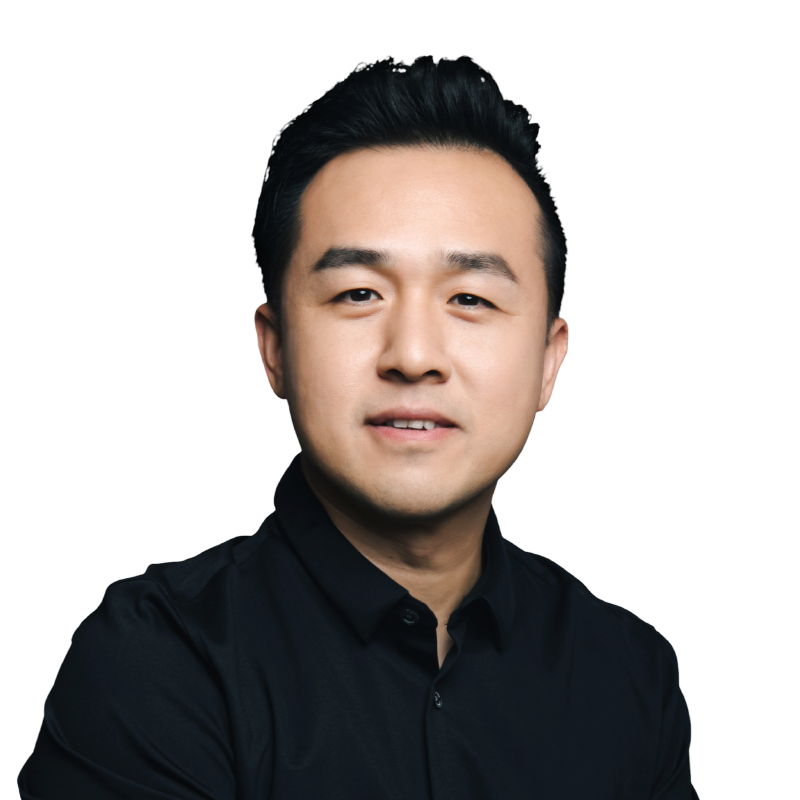
Prof. Pradyumna Vyas is the President of the World Design Organisation (WDO) and currently serves as Senior Advisor for Design Promotion and Innovation at the Confederation of Indian Industry (CII). He was the Director of the National Institute of Design (NID), India’s premier design institute, from 2009 to 2019, and played a pivotal role in NID attaining the status of Institute of National Importance through an Act of Parliament.
An alumnus of IIT Bombay with a Master’s in Industrial Design, Prof. Vyas was awarded an Honorary Master of Arts degree by the University for the Creative Arts, UK. He was instrumental in establishing the India Design Council in 2009 and served as its first Member Secretary. Under his leadership, the India Design Mark (I-Mark) was launched in collaboration with the Japan Institute of Design Promotion (JDP).
With over 38 years of experience, Prof. Vyas has significantly contributed to design education, policy, and promotion in India and globally. He has served on juries of prestigious international awards including G-Mark (Japan), German Design Award, and Taiwan International Student Design Competition. He is an Independent Director on the boards of Titan, Dynamatic Technologies, and Carysil, and continues to champion design for sustainable and inclusive development.
Design Democracy and Human-Machine Symbiosis: A Global Design Imperative
In the age of artificial intelligence, we are witnessing a paradigm shift in how humans interact with machines. This evolving relationship offers immense potential but also demands thoughtful design leadership rooted in human values. As designers, our role is no longer confined to aesthetics or function; we must now shape the ethics, accessibility, and impact of emerging technologies.
Design Democracy the idea that design must be participatory, inclusive, and accessible—is central to ensuring that human-machine collaboration benefits all, not just a privileged few. In this new paradigm, technology must serve human well-being, dignity, and creativity, while being guided by empathy and equity.
Across the world, AI is transforming critical sectors:
1. In healthcare, it enables remote diagnostics and predictive care, but must be designed for trust, inclusion, and cultural sensitivity.
2. In education, adaptive learning tools can personalise knowledge delivery but must bridge digital divides and promote multilingual, local content.
3. In the quest for sustainability, intelligent systems must work within circular design models, with community participation at their core.
4. For gender equality, inclusive design can eliminate algorithmic bias and ensure equitable access to digital futures.
The design community has a responsibility to shape this human-machine symbiosis through a lens of shared prosperity. As President-elect of the World Design Organisation, I believe our global design efforts must align around design democracy empowering every citizen to be a co-creator of the future.
Through ethical, inclusive, and sustainable design, we can ensure that this technological revolution enhances not compromises our collective humanity.
1、Master the practical framework of "design democracy"
2、Unlock the human-machine symbiotic design strategy
3、Participate in the global design transformation agenda
-
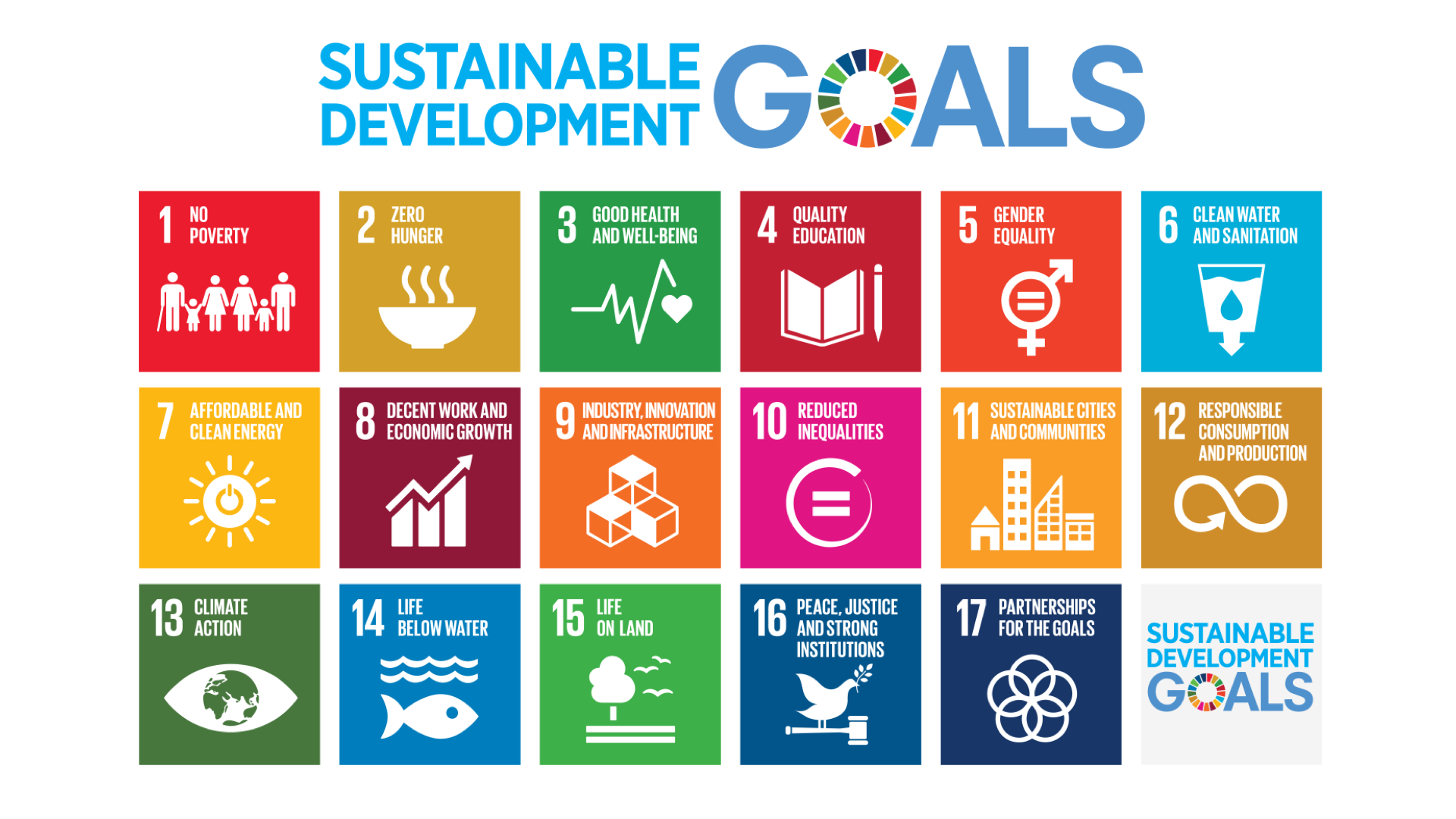 United Nations Sustainable Development Goals