-
 He Wen
MGI Tech
Head of UI Design Department
He Wen
MGI Tech
Head of UI Design Department
With over eight years of in‑depth experience in multi‑device experience design, she has led the implementation of experience design projects across multiple regions and systems both domestically and internationally. She has established interface design frameworks, interaction workflows, and design specifications for multiple product lines and device types, and built an enterprise‑level intelligent platform for experience design. Anchoring design at the user as the core, she adheres to a dual‑dimensional approach of "inheriting industry best practices while innovating experience boundaries," benchmarking against international frontiers to accelerate the standardization and high‑end development of China's industrial experience design, thereby injecting core competitiveness into national brands. She holds over 20 certified patents and has received international design awards including iF, IDEA, and MUSE.
High-Quality Collaborative Design Practices Between UI/UX and Hardware
In the current industry, the acceleration of intelligent medical device upgrades and domestic high‑end development has made the gap between hardware logic, physical operations, and digital interface experience a critical bottleneck limiting clinical efficiency and brand reputation. The traditional paradigm of separating industrial design from UI/UX can no longer support the diverse requirements of high‑precision instruments for operational smoothness, clinical safety, and humanistic care. Complex medical devices such as sequencers and analyzers are not merely diagnostic tools; they also carry users' perceptions of "reliability, ease of use, and peace of mind." Designers need a new cross‑disciplinary collaborative approach to close the hardware‑software experience loop, thereby improving clinical efficiency and long‑term brand competitiveness.
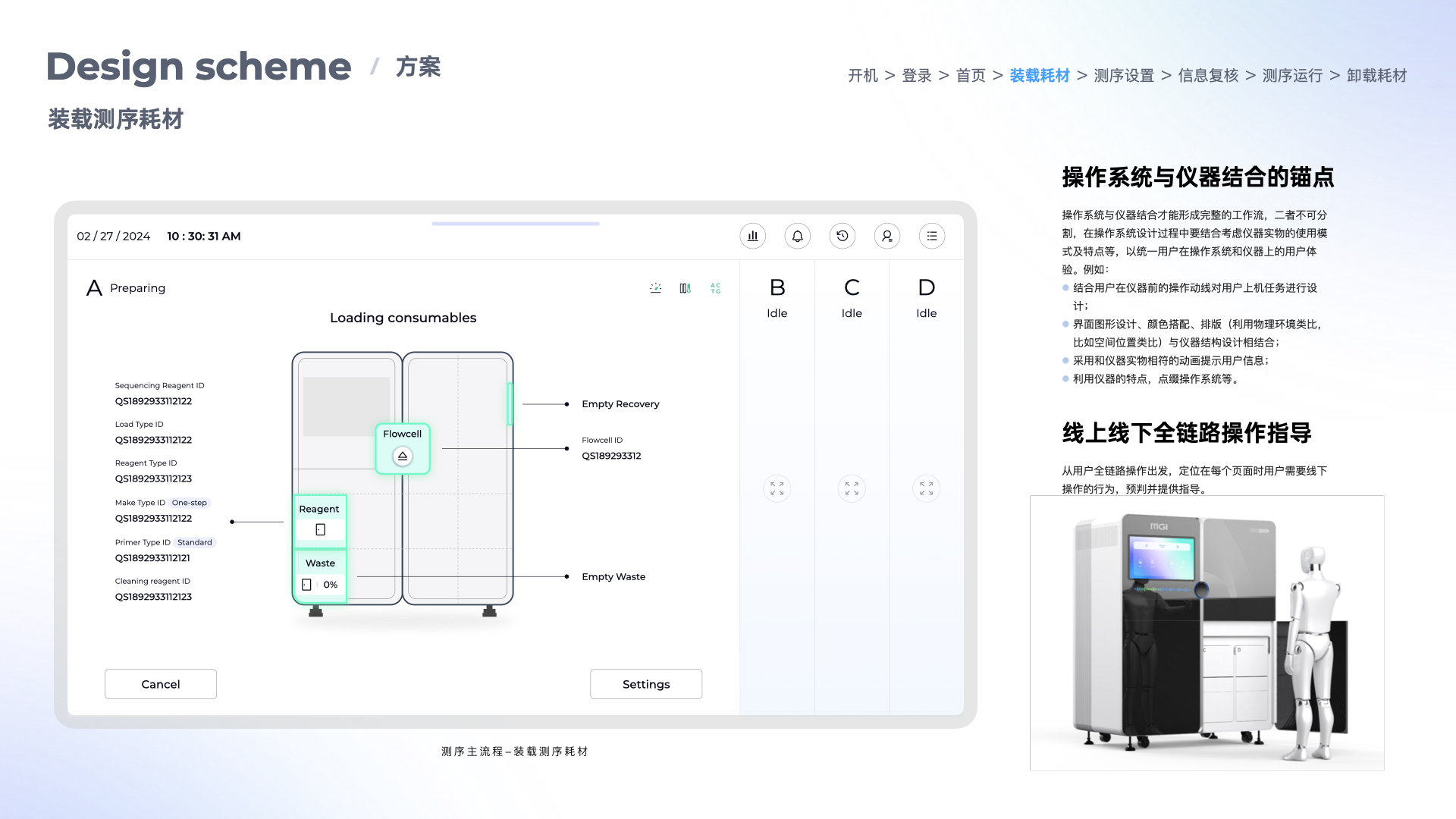
This workshop will systematically address how to redesign experience strategies and clinical value in the medical instrument field through hardware‑software collaborative design, focusing on four major dimensions: roles, problems, solutions, and ecosystems. Using three practice phases from real projects — 1.0 cross‑device requirement alignment (collaborative design of processes and scenarios), 2.0 T1+ sequencer project (experience translation from hardware logic to digital interface), and 3.0 standardization and reusable frameworks (from individual projects to enterprise‑level design assets) — we will deconstruct how, under real business challenges, we use design thinking as a framework and hardware‑software collaboration as the core to form a human‑computer collaborative design strategy tailored to medical instruments, covering problem identification, co‑creation of requirements, cross‑team coupling, and implementation validation.
Content:
I. Role Reconstruction — How Medical Instrument Designers Break Through Cross‑Domain Barriers
1.1 From single‑interface deliverer to full‑chain experience integrator: reshaping the cognitive framework
1.2 From pure visual expression to cross‑domain collaboration: changing the mode of delivery
1.3 A competency model for medical instrument design under hardware‑software synergy
II. Experience Challenges — How to Precisely Identify Gaps and Design Strategies
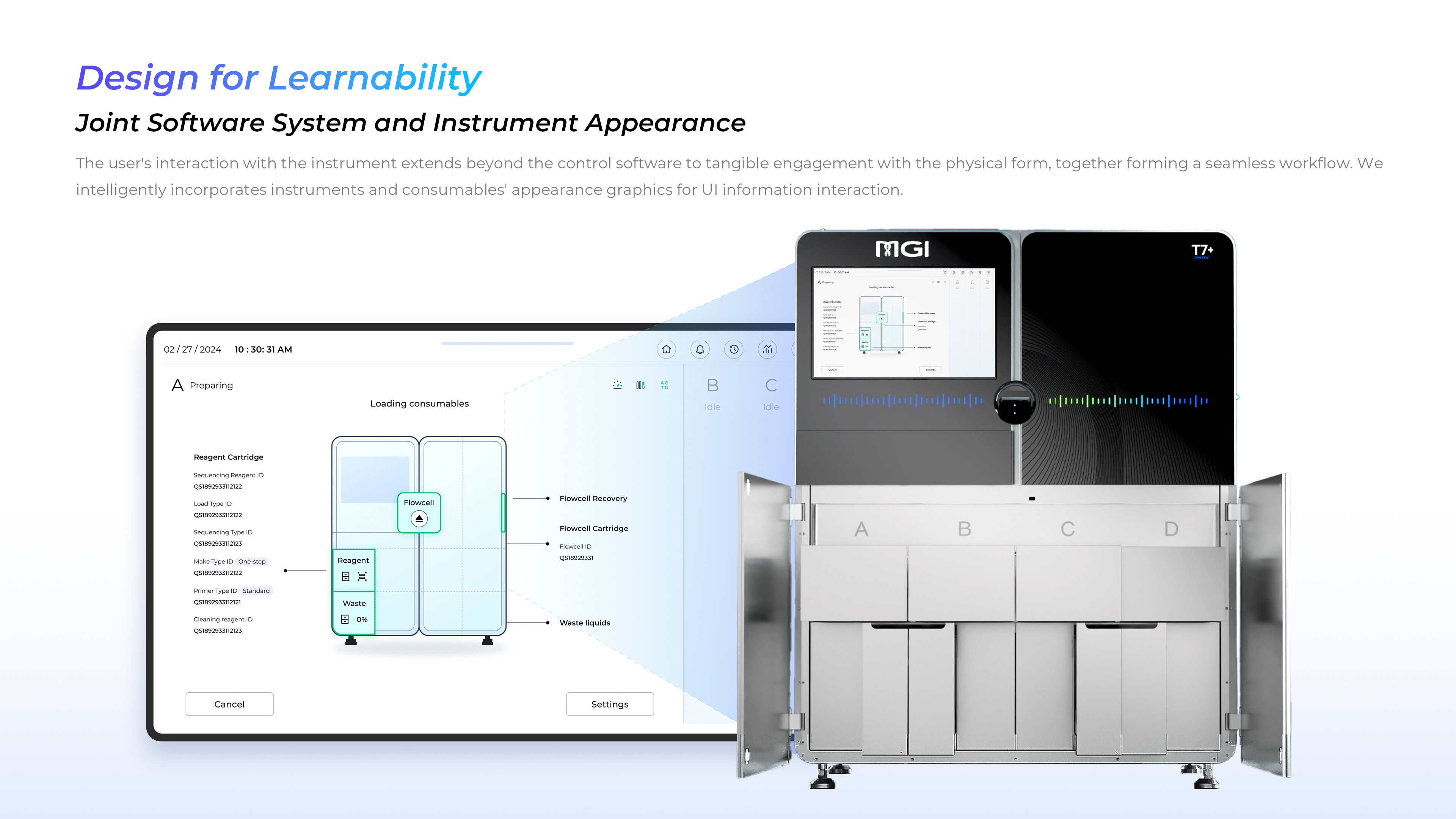
2.1 Experience disconnect between hardware operations and digital interfaces, leading to clinical efficiency loss
2.2 Safety risks from inconsistent user operation logic across multi‑device interaction scenarios
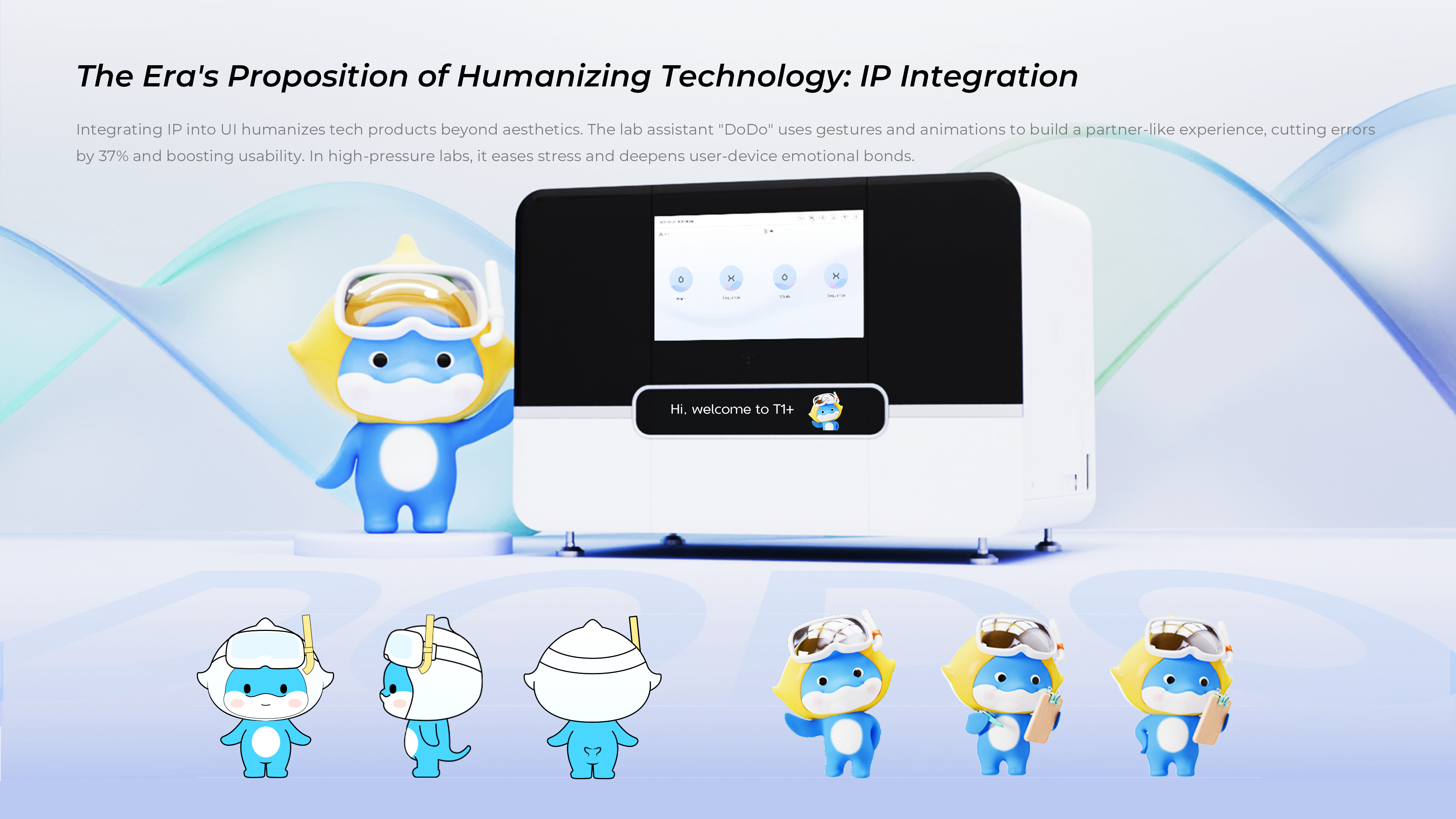
2.3 The challenge of balancing professional rigor and emotional care in medical device design
2.4 Misalignment between traditional design processes and hardware development cycles, affecting product implementation efficiency
III. Practical Deconstruction — How to Enhance Experience Value and Clinical Efficiency Through Hardware‑Software Collaborative Design
3.1 Phase 1.0 Cross‑device requirement alignment: collaborative design of processes and scenarios
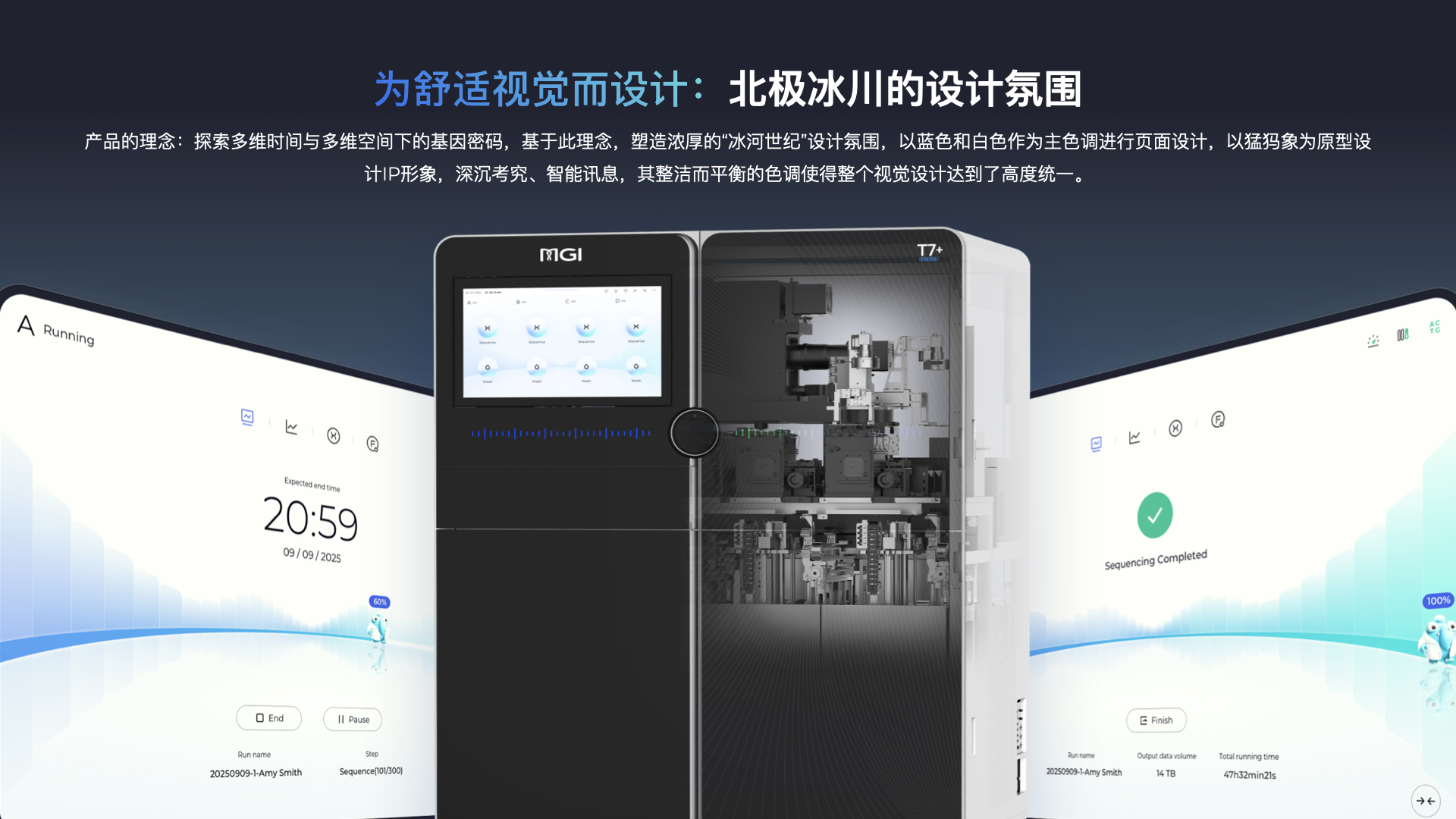
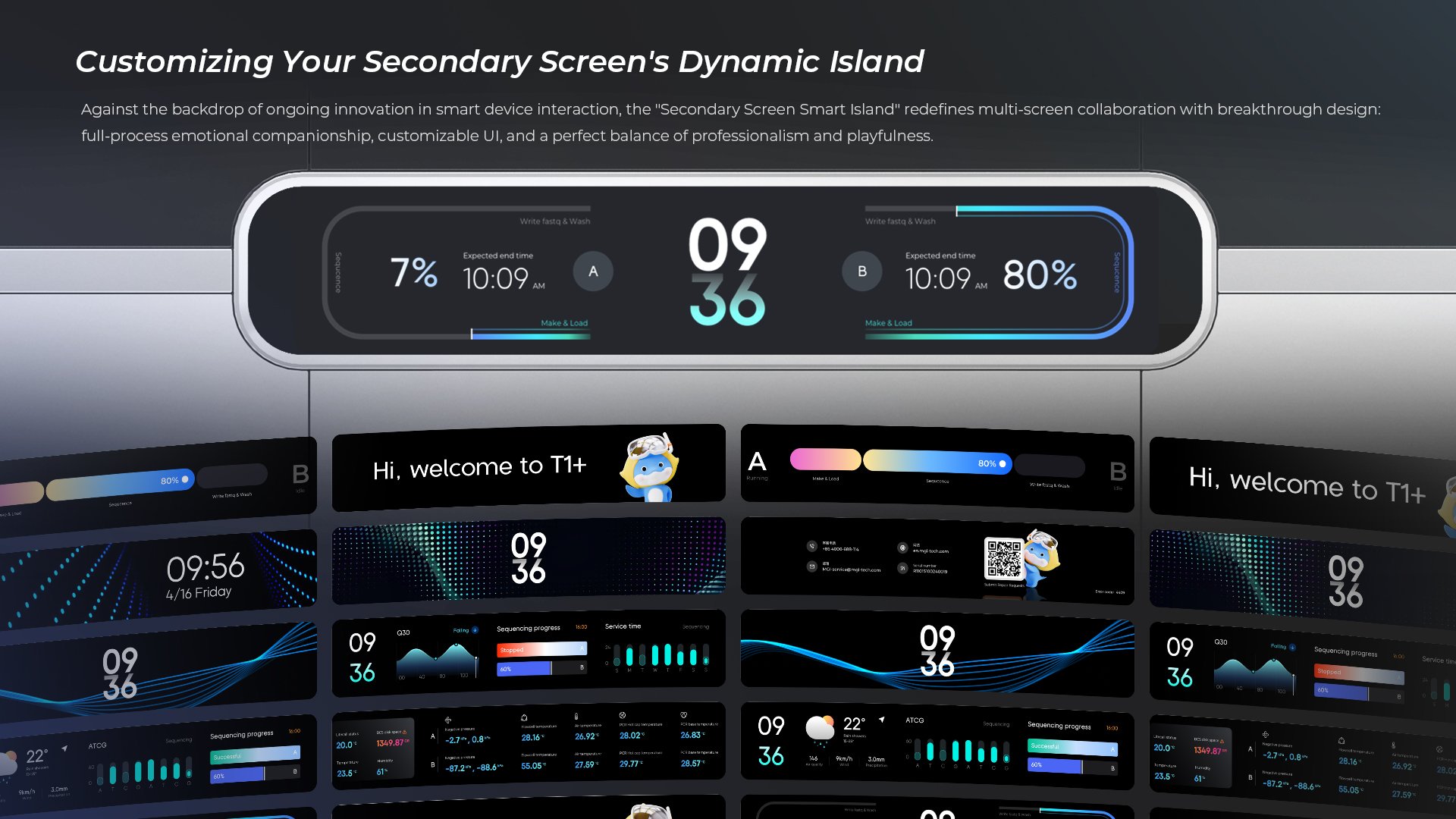
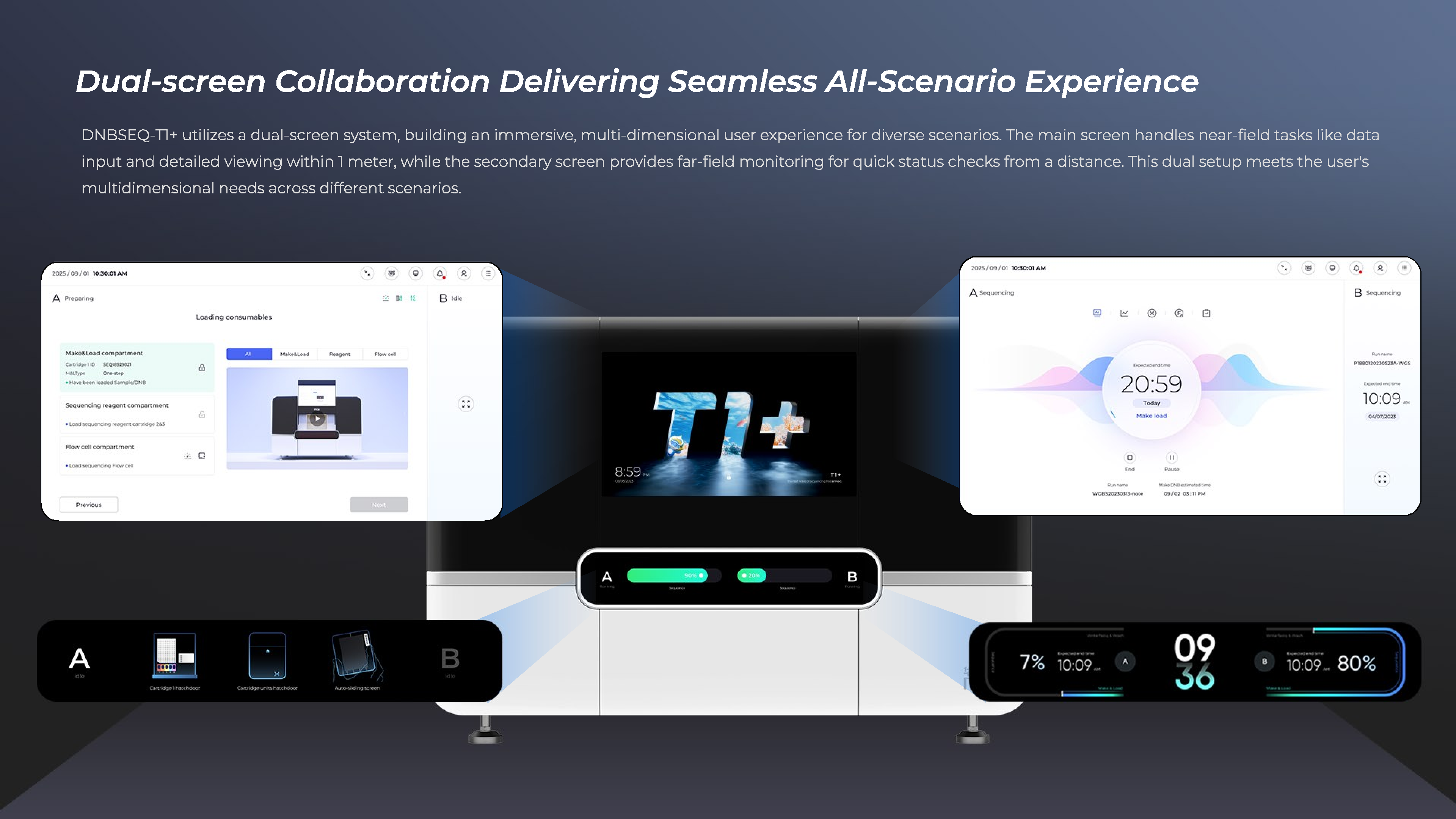
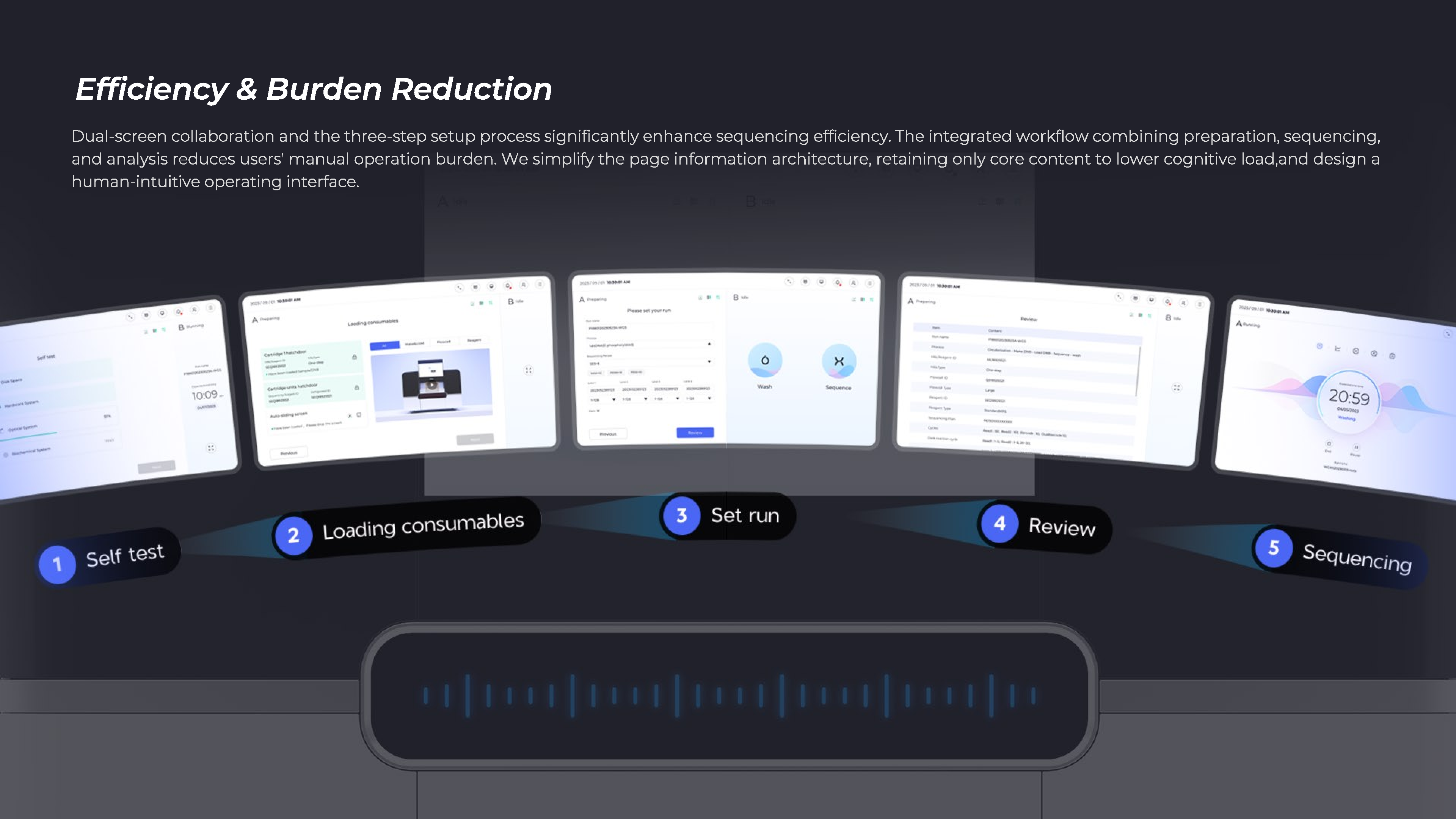
3.2 Phase 2.0 T1+ sequencer project: experience translation from hardware logic to digital interface
3.3 Phase 3.0 Standardization and reusable frameworks: from individual projects to enterprise‑level design assets
IV. Future Thinking — New Growth Paths for Medical Instrument Experience Driven by Hardware‑Software Synergy
4.1 Experience systems shifting from feature stacking to clinical‑efficiency‑centric smart operations
4.2 Hardware‑software collaborative design assets becoming intelligent agents for continuous medical product optimization
4.3 User experience and clinical safety becoming core metrics of medical product ecosystem governance
In the wave of high‑end development of domestic medical devices, designers must reshape their mindset, keep pace with technology trends, identify problems from cross‑domain collaboration, build methodological frameworks through hardware‑software integration, and redefine long‑term value within the medical instrument experience ecosystem. True sustainable competitiveness comes not from optimizing a single interface, but from deeper cross‑domain integration and more precise system creation.
1、Workshop introduction and topic setup: clarify the objectives, process, and learning outcomes of this workshop, quickly establishing a cognitive framework for "hardware‑software collaborative design."
2、Core methodology explanation — full‑chain cross‑device collaborative design: deconstruct the technical barriers of cross‑device design, covering interaction design for UI/hardware synergy, emotional design, and AI‑powered one‑stop services (user research, requirements, interaction, UI).
3、Project case study — the complete design process of the T1+ sequencer project: using a real project as an example, from requirement analysis and hardware logic mapping to interface interaction design, reconstructing the complete hardware‑software collaborative design workflow.
4、Interactive hands‑on exercise — methodology‑based deconstruction and co‑creation: guide participants to deconstruct hardware and product requirements based on the methodology, and complete practical exercises in product process & function design and interaction design.
1、Intermediate or higher interaction/experience designers
2、Intermediate or higher interface designers
3、Intermediate or higher visual designers
4、User experience practitioners in medical devices / hardware products
1、Cross‑domain collaboration methods: Understand the coupled workflow of medical instrument UI/UX with industrial design and hardware development, and master key nodes and pitfall‑avoidance points in cross‑team collaboration.
2、Practical approaches to AI‑enabled experience: Learn how to use AI to drive user behavior analysis and adaptive interaction, enhancing the intelligence and ease of use of instrument interfaces.
3、Multi‑device experience design framework: Master the closed‑loop design logic from hardware interaction to digital interface, providing reusable practical experience for experience upgrades of complex instrument products.