-
 Qiu Jin
Transsion Mobile
Head of Software Ergonomics Research
Qiu Jin
Transsion Mobile
Head of Software Ergonomics Research
With 14 years of experience in the mobile phone market and user research, he has worked at several leading manufacturers and possesses an in-depth command of methodologies spanning the entire R&D process to user research. He specializes in fundamental experience research and the development of human factors standards, while also having developed unique methodologies for AI product needs discovery. He is adept at integrating multidimensional scientific approaches—including market, user, and human factors—to precisely support business success.
Currently serving as the Human Factors Research Expert/Lead at Transsion, he focuses on user experience and human factors engineering research for overseas markets. He has led the release of an industry group standard for human factors‑based fluency and helped a product achieve the world's first human factors fluency certification—a benchmark that major manufacturers have since followed, establishing an industry standard. In recognition of his academic contributions, he has been appointed as an off‑campus mentor for master's students in psychology at the Institute of Psychology, Chinese Academy of Sciences.
Bridging Cultural Divides: Human Factors Research Empowering Overseas Design
The user experience perception in emerging overseas markets is not only a core challenge for global mobile phone manufacturers, but also a common hurdle for all internet businesses expanding abroad. Yet in reality, the vast majority of product and experience design decisions are made by product, R&D, and design teams based in China — who lack cross‑cultural, hands‑on understanding of users in target markets. This design approach — "defining the experience for users in Africa, South Asia, and Southeast Asia through the lens of Chinese users' perceptions" — creates a significant cognitive and design chasm between the product and its users.
Transsion has long been deeply engaged in emerging overseas markets such as Africa, South Asia, Southeast Asia, and South America, and has established localized research and execution teams on the ground. Years of on‑the‑ground human factors research have revealed that users in different regions exhibit significant cross‑cultural differences in interaction, visual perception, motion design, and fundamental experiences. These differences can never be discovered through "gut feelings," nor can they be resolved by simply transplanting research conclusions from China — they can only be quantified and translated into product decisions through scientific human factors research conducted locally.
This workshop will systematically share the cross‑cultural human factors research methodology that Transsion's Human Factors Research Group has developed and validated through years of practice in emerging markets, helping you move from "subjective feeling" to "scientific quantification."
Main Content:
1. Opening & Icebreaking: Does Your Product Truly Understand Overseas Users?
1.1 Group sharing: "cognitive pitfalls" encountered in overseas or cross‑cultural projects
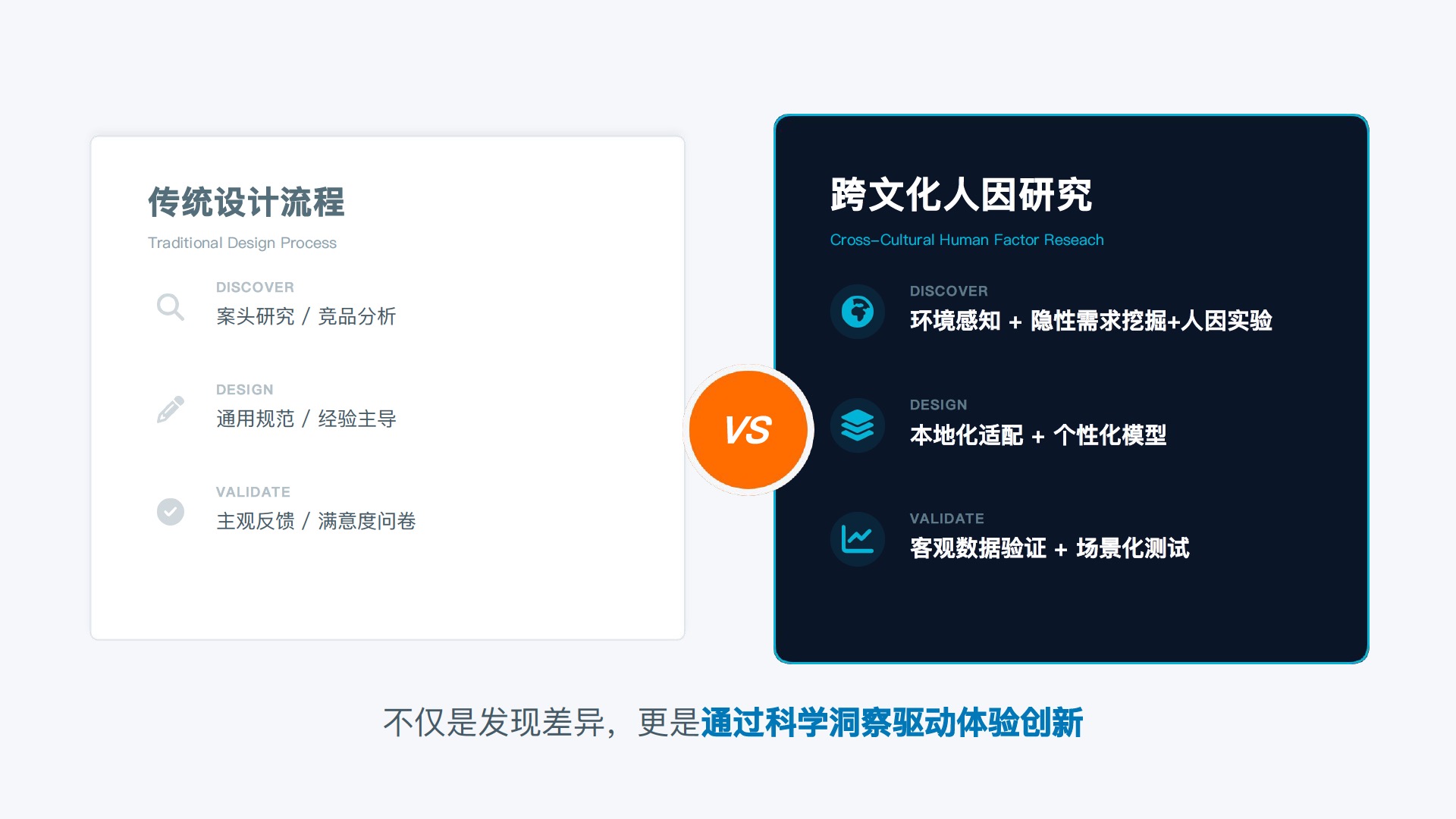
1.2 Introduction to the topic: Why do traditional user research methods often fail in overseas markets?
2. Theoretical Foundation: From "Feeling" to "Science" — The Underlying Logic of Human Factors Research
2.1 Essential differences between human factors research and traditional user research
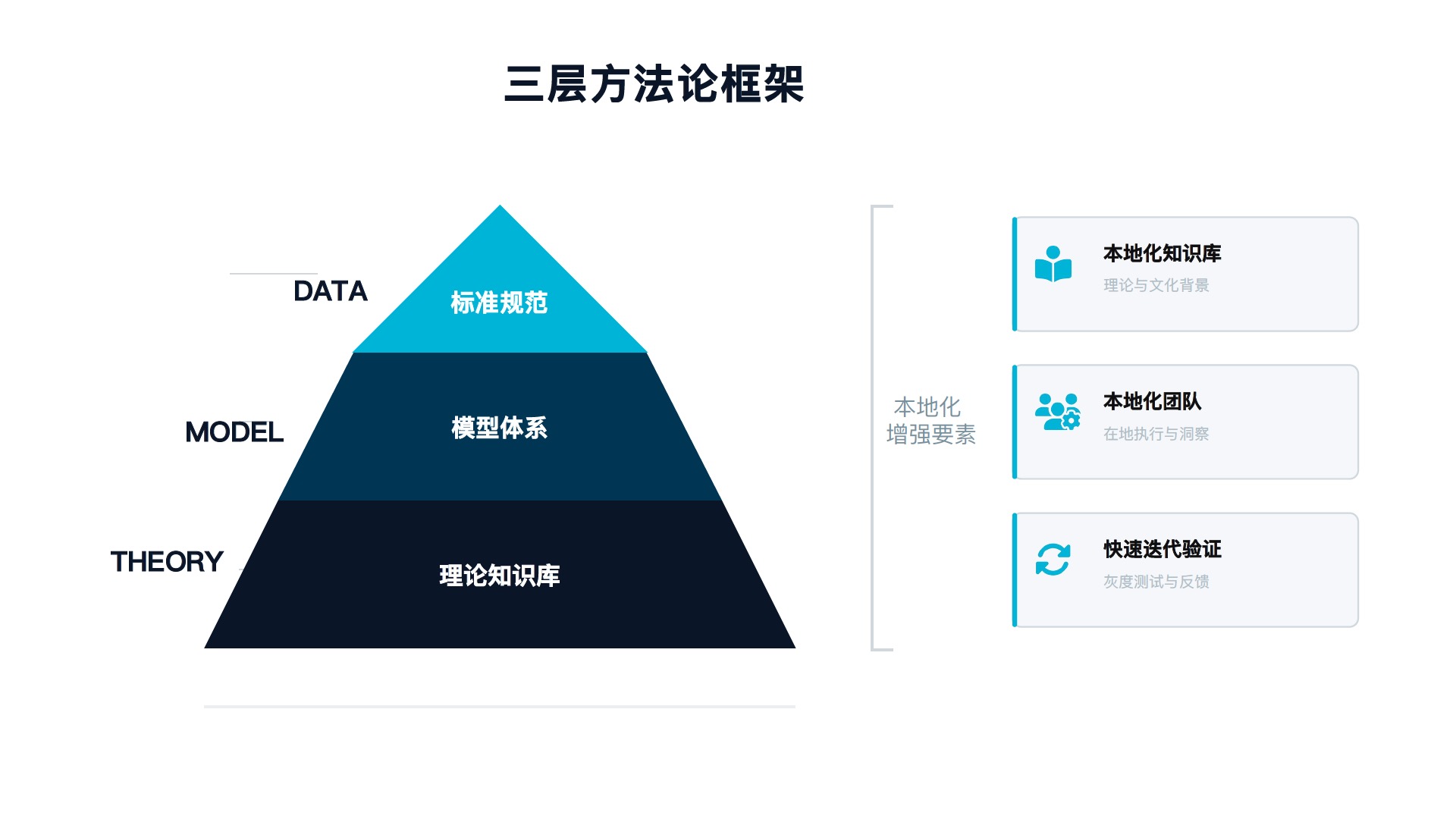
2.2 Three‑tier methodological framework: human factors database → evaluation system → standards and specifications
2.3 Localization enhancement approach: localized knowledge base + on‑ground execution team + rapid iterative validation
3. Case Deep Dive (I): Where Do Perception Differences Come From?
3.1 Thermal comfort research in South Asia: How did we discover that "users in different regions have vastly different tolerance levels for phone heating with the same device"?
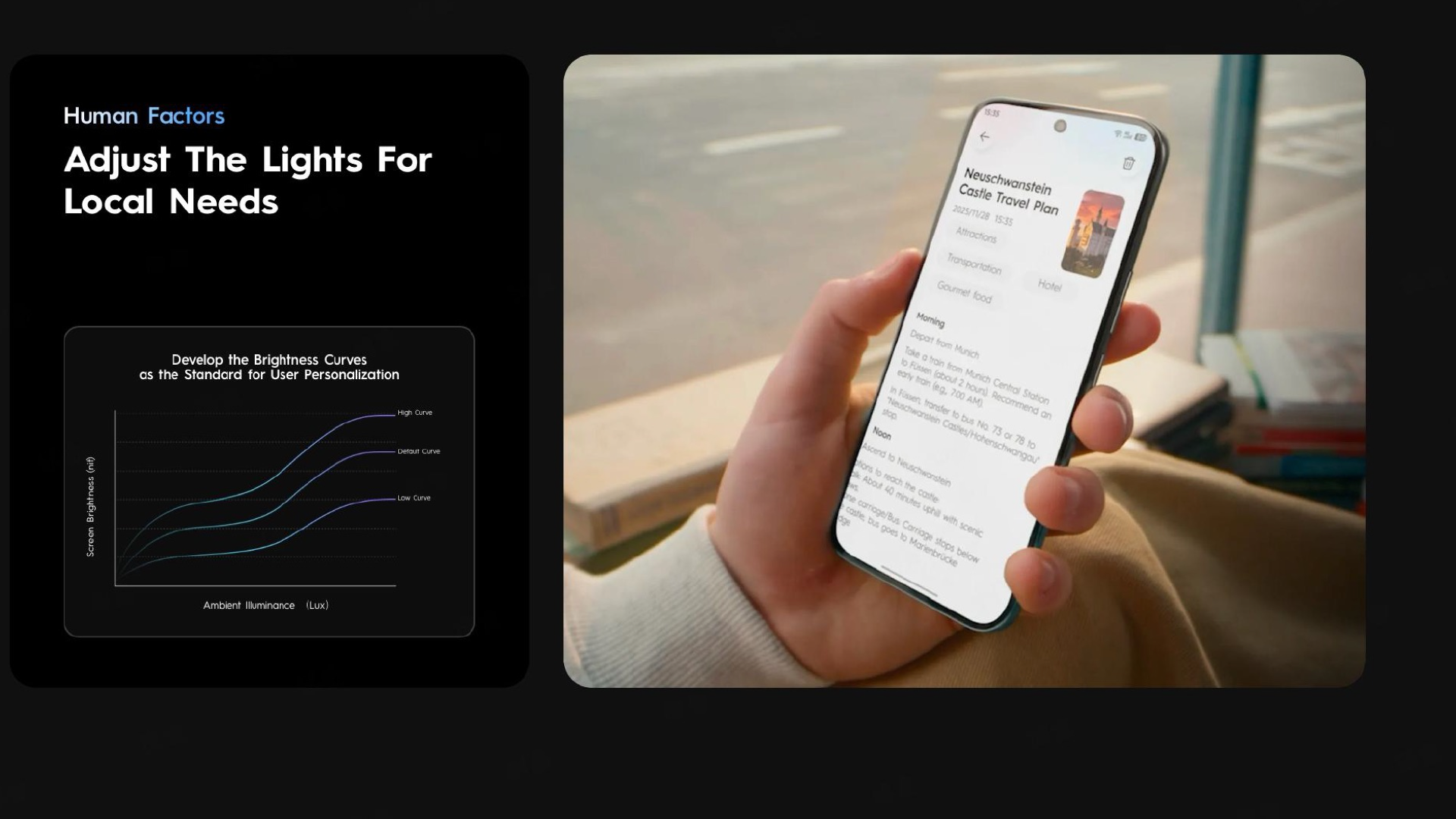
3.2 Display brightness localization research in West Africa: Why did the "perfect brightness curve" calibrated by Chinese engineers result in user complaints of "glare" in Africa?
3.3 Complete research chain demonstration: research design → data collection → model building → product standard implementation
4. Case Deep Dive (II): How to Turn Insights into Product Standards?
4.1 Cross‑region palm rejection research: How did over 100,000 real interaction data points translate into a quantitative standard of "5.35% reduction in accidental touch rate"?
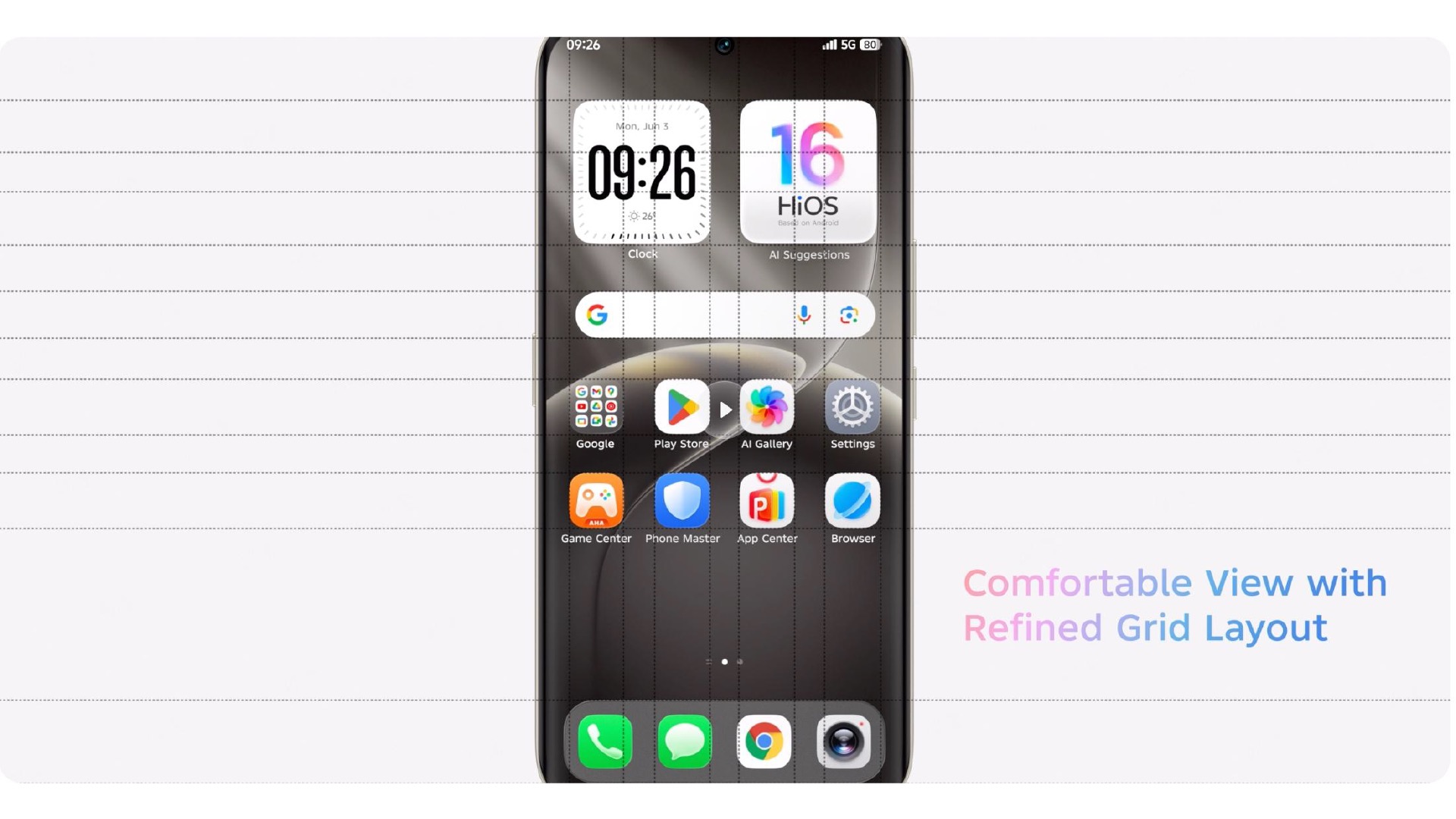
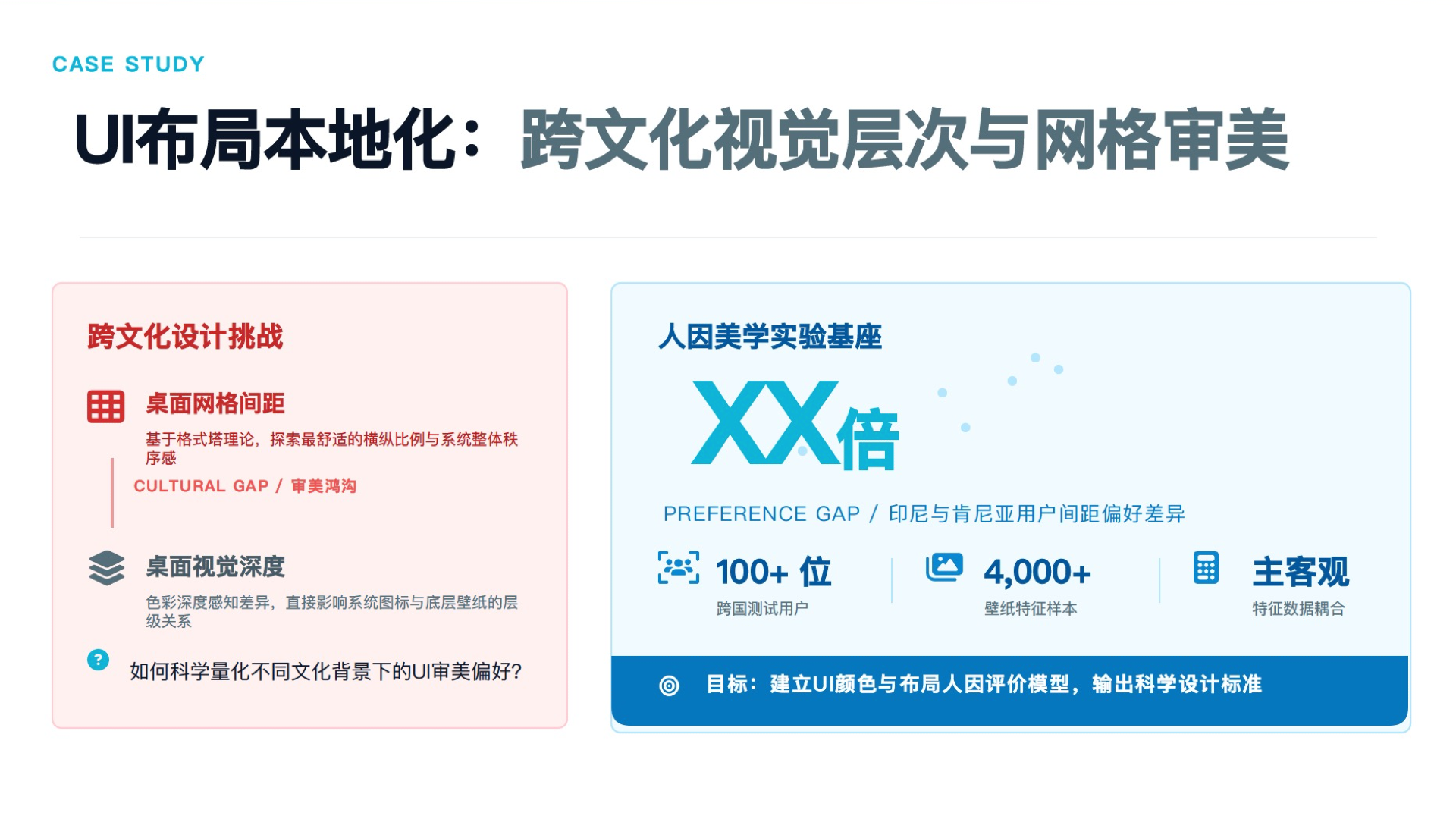
4.2 Desktop UX aesthetics localization research: Grid spacing, color depth — how to define cross‑cultural aesthetic preferences using quantitative methods?
4.3 Detailed explanation of the transformation path from data to model, and from model to standards
1、Icebreaking discussion: Group sharing of "cognitive pitfalls" in overseas or cross‑cultural projects → theme introduction
2、Theory explanation: Underlying logic of human factors research + three‑tier methodological framework + localization enhancement approach
3、Case deep dive (I): South Asia thermal comfort + West Africa brightness localization — uncovering perception differences and full‑chain research
4、Case deep dive (II): Palm rejection + desktop UX aesthetics — the transformation path from insights to product standards
5、Hands‑on workshop: Group design of a human factors research plan for an emerging market scenario (entry point → method → validation)
6、Outcome presentation and feedback: Group presentations + real‑world experience feedback from the presenter
7、Q&A + summary and review: Open questions + key takeaways
1、User researchers and human factors researchers with experience in overseas or global business
2、Product managers focused on experience quality
3、Interaction designers and experience designers
4、Professionals in consumer electronics and overseas internet businesses
5、Design/research managers interested in cross‑cultural human factors research
1、Cognitive upgrade: Understand the essential differences between human factors research and traditional user research, and establish a new experience research mindset — from subjective feeling to scientific quantification
2、Methodology mastery: Systematically learn the complete methodological framework of cross‑cultural human factors research (human factors database → evaluation system → standards and specifications)
3、Insight accumulation: Deeply understand the experience perception patterns and cross‑cultural differences of emerging market users through four real‑world cases
4、Hands‑on practice: Complete a human factors research plan for a cross‑cultural scenario on the spot, and take away a reusable research framework template