-
 Huang Liwei
Honor Terminal
UX Design Expert
Huang Liwei
Honor Terminal
UX Design Expert
Honor MagicOS AI Design Lead & User Experience Design Expert. With over 10 years of operating system design experience, deeply involved in core business design for Huawei EMUI and HarmonyOS 1.0. Currently leading the human-machine interaction framework design for Honor MagicOS, focusing on AI-driven system experience design and exploring paradigm shifts in AI-powered human-computer interaction. Dedicated to reshaping human-machine relationships through innovative AI interaction design, delivering seamless and intuitive intelligent experiences.
Design Philosophy: Specializing in AI human-computer interaction design, making every interaction as natural as instinct and as effortless as breathing.
Terminal Operating System Design in the AI Era
The development of the field of human-computer interaction has undergone three major transformations: from command-line interaction in the 1960s, to graphical user interface (GUI) interaction in the 1980s, and to natural user interface (NUI) interaction in the 2000s. With the rapid advancement of AI technology, the fourth major revolution in user experience is imminent.
At the intersection of these two transformations, GUI and AUI will coexist within systems, ushering in a new paradigm of user experience for the AI era. This presentation will discuss the changes in system experience design brought about by AI technology, as well as the new paradigm of interactive experience enabled by intent recognition and conversational interaction.
The specific content of the presentation includes:
1. New Changes in System Interaction Experience Brought by AI
1.1 Product Introduction: The Intelligent Operating System in the AI Era
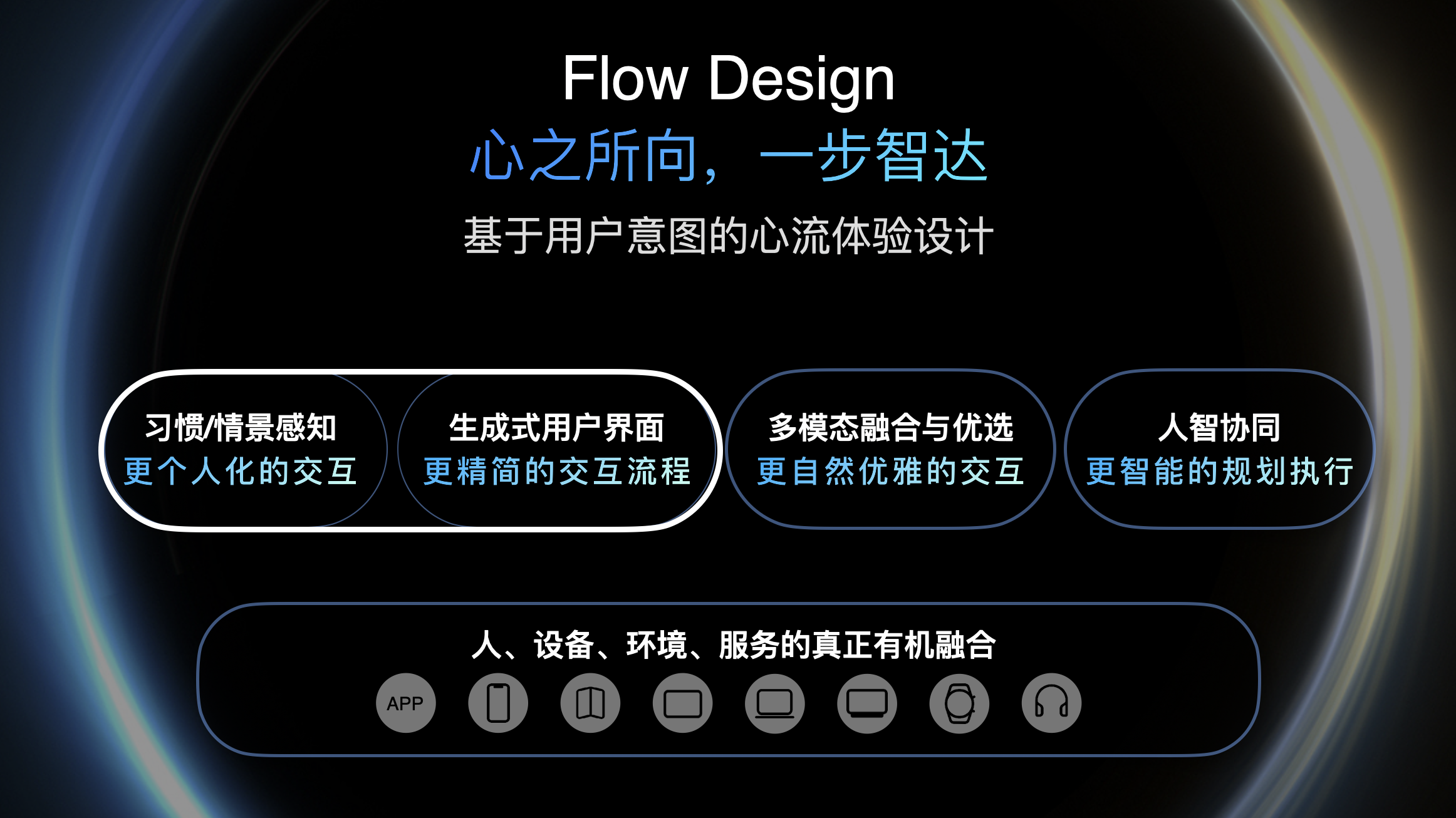
1.2 Establishing a System-Level AI Design Framework: From Design Language to Interaction Paradigms
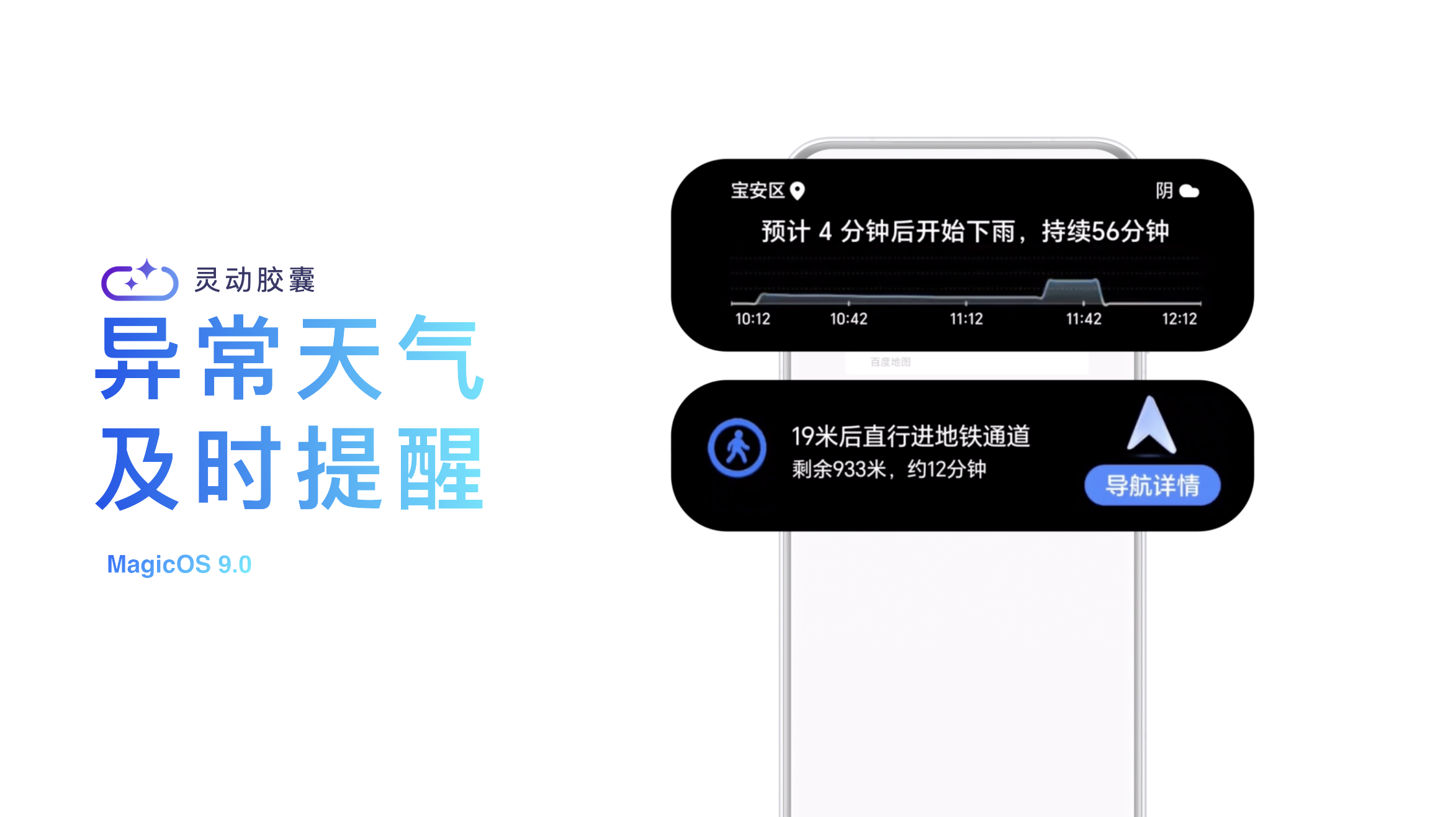
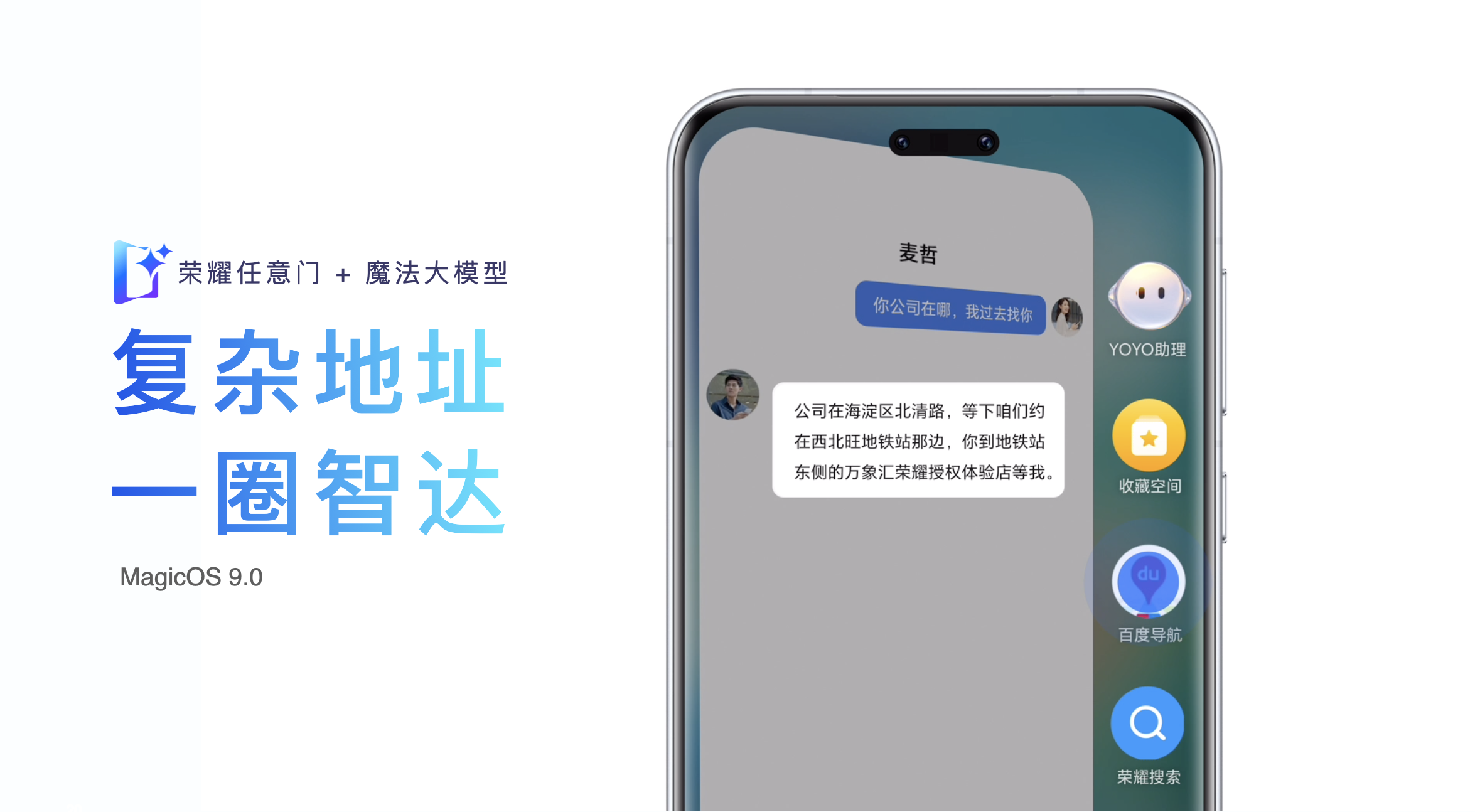
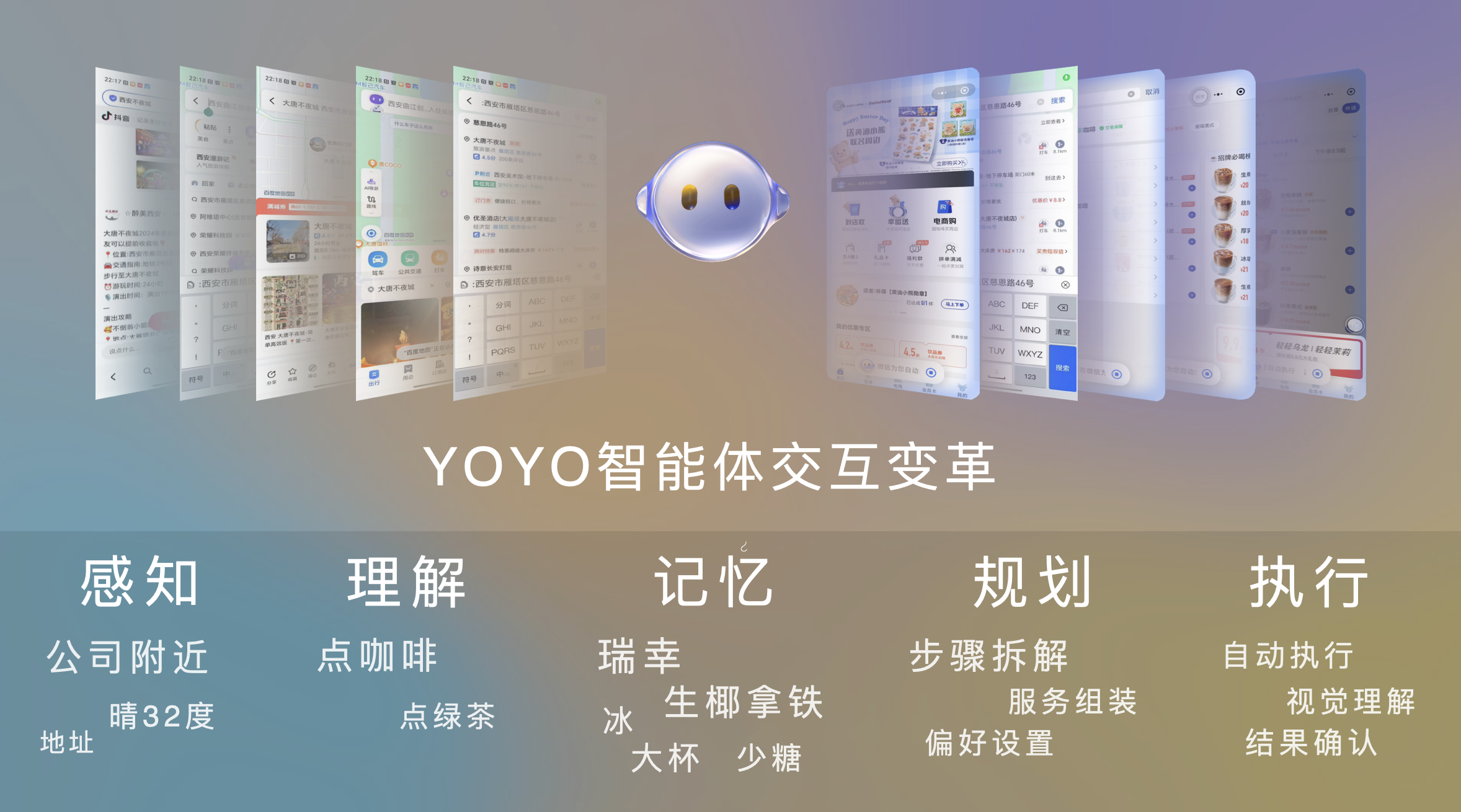
1.3 Detailed Design Case Studies: Building a System AI Design Language, YOYO Agent Design, AI Emotional Design
2. From User Insights to Design Innovation: Honor Magic Ring Design Case Study
2.1 Methodology for Innovative Design: User Pain Point Insights, Technical Capability Analysis, Experience Value Assessment
2.2 Product Introduction: The Experience of a New Interaction Form Across Multiple Scenarios
2.3 Experience Upgrade: How to Continuously Break Through on the Path of Innovation
3. System-Level Experience Design Driven by Product Goals and Technical Capabilities: Honor YOYO Suggestion Design Case Study
3.1 Introduction to Product Experience Goals
3.2 Understanding and Analysis of Technical Capabilities
3.3 Analysis of System-Level Product Experience Design Methods
1、Keynote Speech and Case Studies
2、Open-Topic Discussion
3、In groups, discussions and solution explorations are carried out based on specific propositions
4、Group Presentations and Q&A
1、Interaction Designers
2、User Experience Designers
3、Product Designers
1、Gain insights into the new paradigm of operating systems in the AI era through concrete case studies.
2、Learn design strategies and methods to transform traditional system interactions using AI.