-
 Wang Tan
Xpeng Motors-General Manager in Design Center
Xpeng Aeroht-Co-Founder
Wang Tan
Xpeng Motors-General Manager in Design Center
Xpeng Aeroht-Co-Founder
Senior Industrial Designer with overseas study experience and 16 years of professional and managerial expertise in industrial design. Currently serves as Co-founder, Vice President & Chief Designer of XPENG AEROHT, and General Manager of Styling Design Center at XPENG MOTORS.
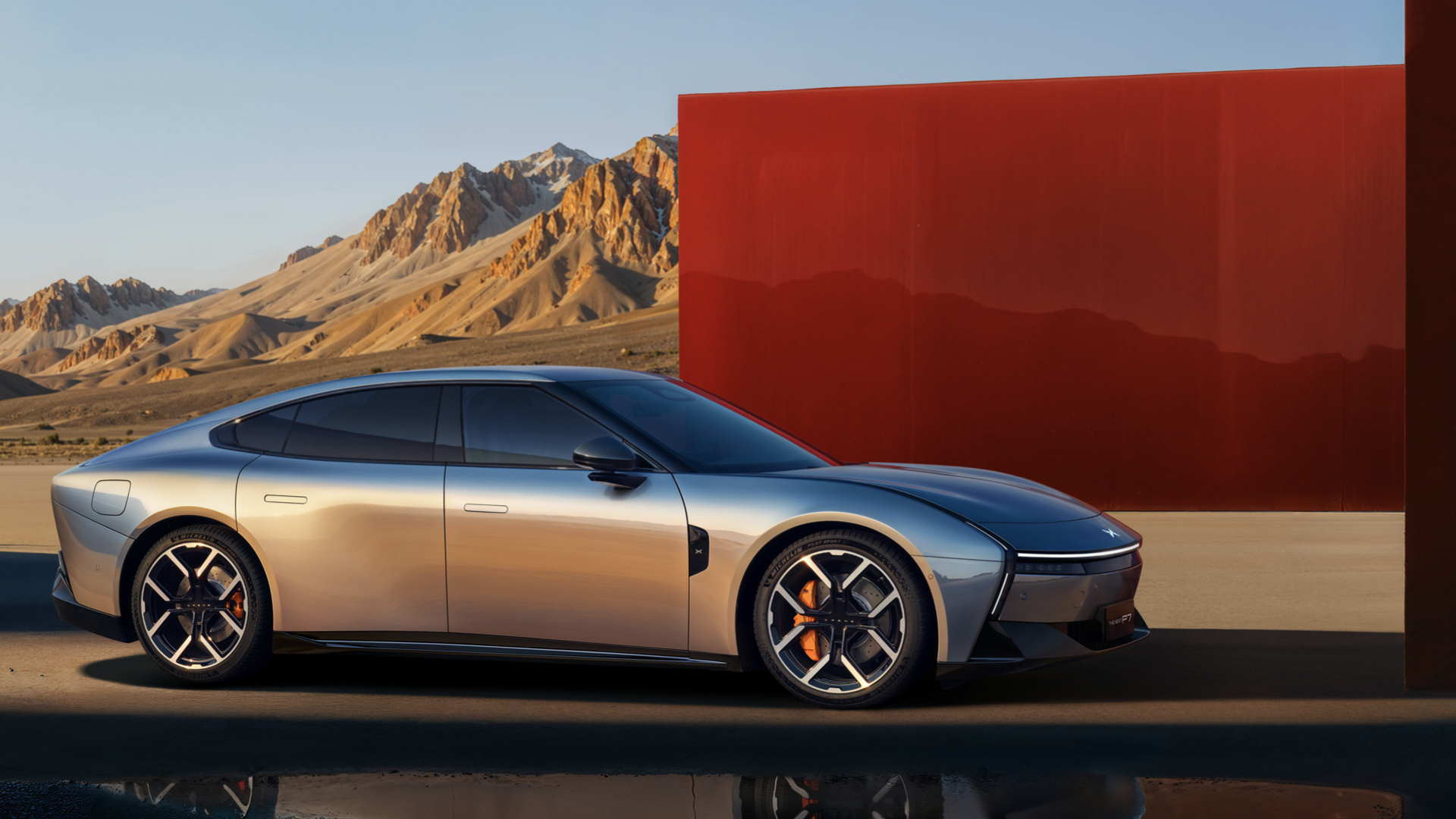
As a pioneer designer in China's new energy vehicle industry, he innovatively established the "Sensory and Rational" Design Philosophy, seamlessly integrating Eastern aesthetics with cutting-edge technology. He has led the design of iconic models including the P7+, G7, X9, and the all-new P7.
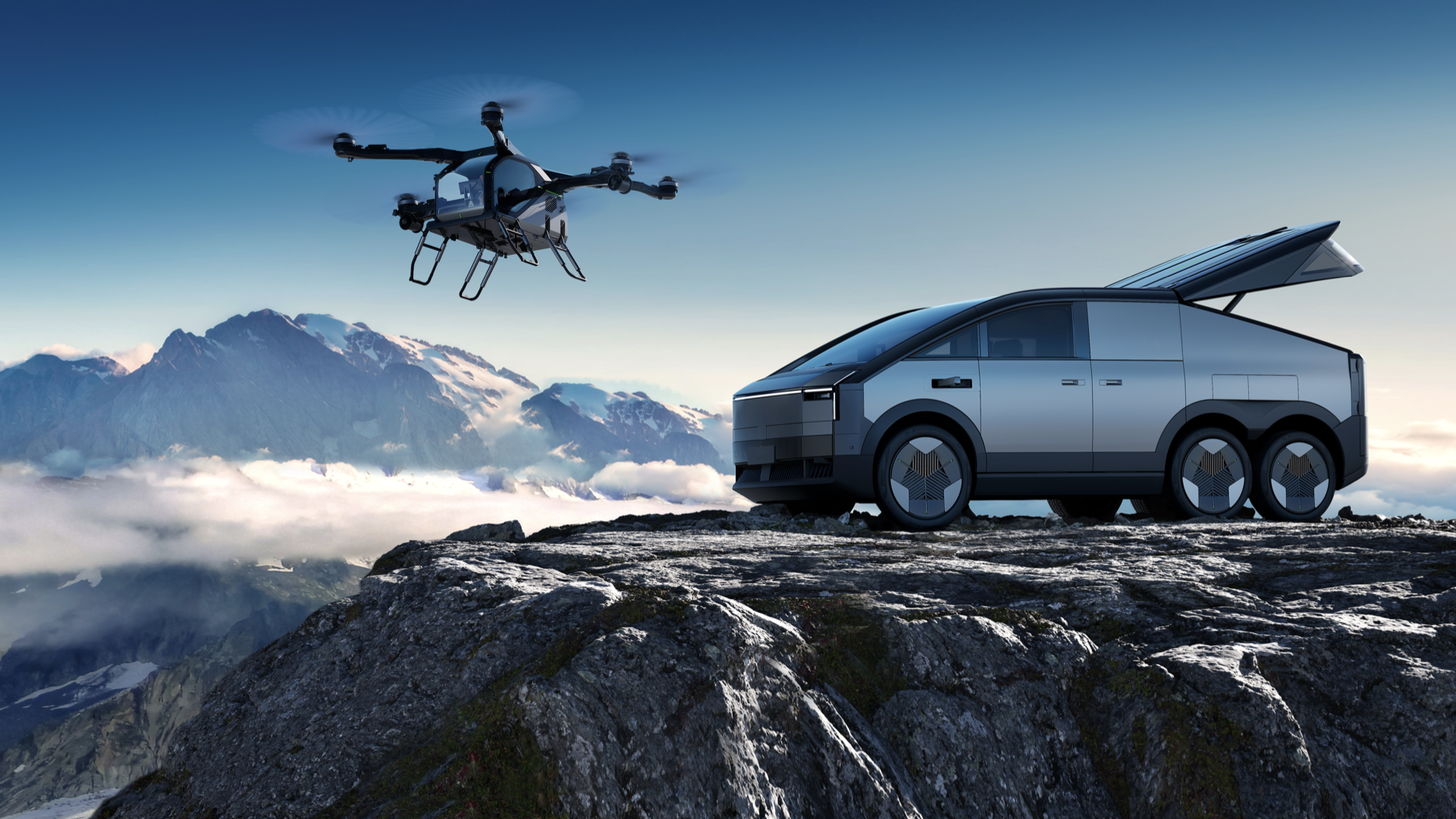
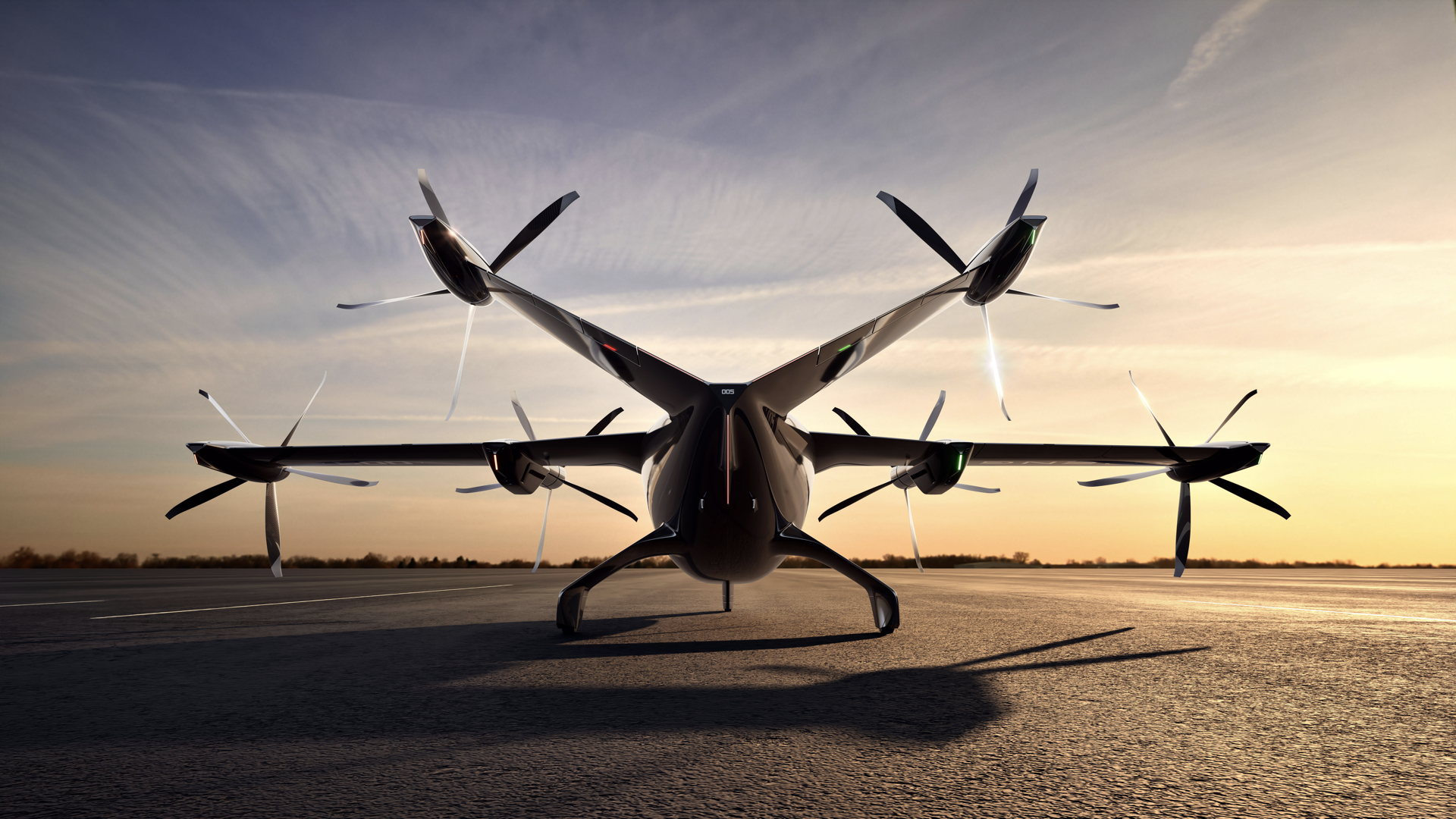
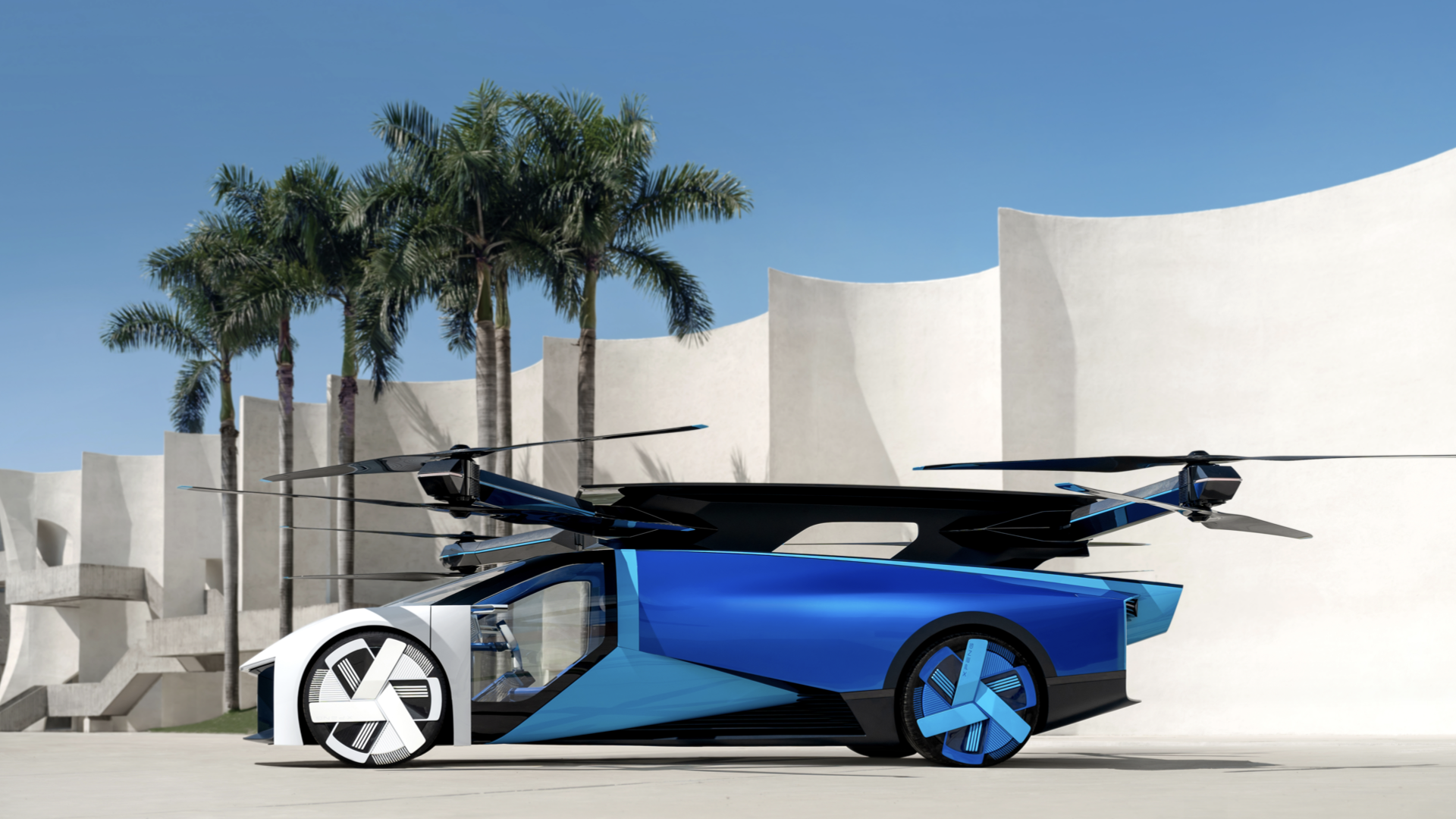
In the field of innovative aircraft design, Mr. Wang Tan spearheaded the breakthrough development of multiple generations of flying car products: T1, X1, X2, and the "Land Aircraft Carrier" X3. The Voyager X2 not only features a highly futuristic sci-fi aesthetic but also sets the benchmark for flying car design with its revolutionary autonomous driving system and comprehensive safety design. The "Land Aircraft Carrier" X3, the world’s first modular flying car with separable ground and air modules, caters to diverse usage scenarios and accelerates the adoption of low-altitude mobility. It is also the world’s first mass-production flying car. These designs showcase his forward-thinking vision and leadership in future transportation, solidifying XPENG AEROHT's leadership in low-altitude mobility.
Guided by the brand philosophy "Technology in the Left Hand, Art in the Right Hand", Wang Tan has redefined the aesthetic standards for intelligent mobility products. His pioneering design paradigm has not only driven the transformation of China's automotive industry from manufacturing to creation but also set an exemplary model of industrial design-driven innovation. His works have become key case studies in global design circles for understanding Chinese innovation.
The Seed of Design Sprouts in the Soil of Technology
For XPENG MOTORS and XPENG AEROHT's flying cars, technological sophistication has become a core brand identity. But how does technology evolve from functional specifications into a design language? This presentation will unveil how XPENG MOTORS constructs its "Artistic Technology" design philosophy through four key dimensions: ARCHITECTURE, SURFACING, FASCIA, and DETAILING.
As "Explorers of Future Human Mobility," the XPENG design team anchors its approach in three core principles: "Exploration DNA," "Vibrant Expression," and "Fearless Spirit." This crystallizes the vision of "Technology Empowering Joyful Mobility" into an actionable design methodology. You will discover:
1. How data modeling and AI intelligence are reshaping the fundamental logic of mobility experience design.
2. The unified expression of the circular and angular line symbolic system across physical space and digital interfaces.
This presentation uses design imagery fusing circular and angular lines to illustrate XPENG's design philosophy. Through multiple innovative case studies, it showcases the practical application of XPENG's design concepts. From the "Dynamic Vitality Surfaces" of the P7 to the "Laser Bending" narrative of the X9, and from the human-machine interaction in intelligent cockpits to the system design of flying cars – each case exemplifies the perfect fusion of technology and art.
The talk will reveal how XPENG drives industry transformation through a two-way empowerment loop: technological DNA permeates design details to spark innovation, while design breakthroughs, in turn, fuel technological progress. This fusion path of "Technology in the Left Hand, Art in the Right Hand" is leading "Chinese Design" to establish global discourse power in the intelligent mobility sector.
1、Gain a deep understanding of XPENG’s "Fusion of Circular and Angular" design philosophy.
2、Explore XPENG’s approach to fusing "Technology and Art" across multiple dimensions.
3、Learn practical methods for implementing XPENG’s design concepts through multiple innovation case studies.
4、Ignite original design thinking and comprehend the two-way driving relationship between technology and design.
5、Gain insights into future mobility product design trends, including the design philosophy and implementation pathways for new forms of transportation like flying cars.