-
 Zhou Wenjuan
Tencent
Senior UX Designer
Zhou Wenjuan
Tencent
Senior UX Designer
- Senior UX Designer in the Tencent JOOX Music Business Department
- Responsible for the brand and operation design of overseas music app JOOX
- 8 years of overseas Product Design and Brand Operation Design experience
- Systematic knowledge about international design
- Rich practical experiences
- Participated in the design of products across many countries and regions.
- Worked in the Baidu Internationalization Business Department for several years, was responsible for the design of Japanese input method Simeji, Baidu antivirus and other products.
- Design concept: to pursue subversive and innovative design concepts and empower business with the power of design.
Zoom AI Design: Warm AI Experiences with the WARMTH Framework
In the AI era, users no longer crave more tools, but less disjointed, warmer work experiences. Yet "human-centric intelligence" often stays a hollow slogan. How do we embed this warmth into every product decision?
This sharing introduces a repeatable solution: the 6-step WARMTH Design Method. Based on Zoom’s real design practice, we analyze how Zoom Workplace transformed from feature integration to workflow design, and how Zoom Chat upgraded from an IM tool to a context-rich collaboration hub.
By harnessing AI intent recognition, Workflow and Agent technologies, we connect scattered meetings, chats, calendars and documents into a seamless, human-oriented intelligent collaboration flow.
This session covers not only a Zoom product design case study, but also a replicable method to translate abstract values into product designs, plus forward-thinking insights on future work and AI collaboration.
Main Content
W — Who: Target real users
Shift from tool overload to less fragmentation: how we identify genuine users and turn vague pain points into clear design problems.
A — Articulate: Turn "warmth" into design principles
How to break down the empty slogan of "warm intelligence" into actionable, reviewable design standards.
R — Route: Build continuous work paths
Full breakdown of Continuous Meeting Chat: AI runs through pre-meeting, in-meeting and post-meeting phases. With AI intent recognition, context inheritance, smart cards, AI workflows and Agents, isolated functions form an unbroken collaboration chain.
M — Mediate: Resolve tradeoffs with design principles
How to make objective design choices via established principles instead of subjective guesses when facing conflicting design demands.
T — Test: Build prototypes, launch internally and iterate with feedback
The differences between this stage and early user research: build practical prototypes for internal daily use and optimize designs based on real feedback.
H — Heartbeat: Measure user-centric metrics
Achieve both user recognition and sound data: core indicators to evaluate whether warm-oriented designs succeed.
1、Icebreaking and pain point alignment
2、WARMTH Methodology Overview
3、Paradigm shift explanation
4、Continuous Meeting Chat case study breakdown
5、Key Trade-offs & Internal Validation Review
6、Group Workshop: Hands-on Collaborative Flow Design with the WARMTH Framework
7、Result Presentation, Mentor Review & Discussion on Human-Centric Metrics
8、Closing Recap and Open Q&A Session
1、Product managers, designers, and architects of collaborative office products
2、Enterprise digital transformation leaders and team managers seeking to reduce tool fragmentation and improve team efficiency
3、Practitioners interested in AI‑native experiences and agent‑based collaboration models
4、For designers across all industries seeking a reusable framework to embed abstract values into product design
1、Six-step WARMTH Design Method: A transferable, reusable framework for humanized intelligent experience
2、New design logic for AI-era collaboration tools & ways to build AI-Native Experience
3、Cross-border delivery experience of large platform products
4、Continuous collaboration via Chat+AI/Agent and collective memory building
5、Design decision & validation for tradeoffs and user sentiment metrics
-
 Boost
Boost
-
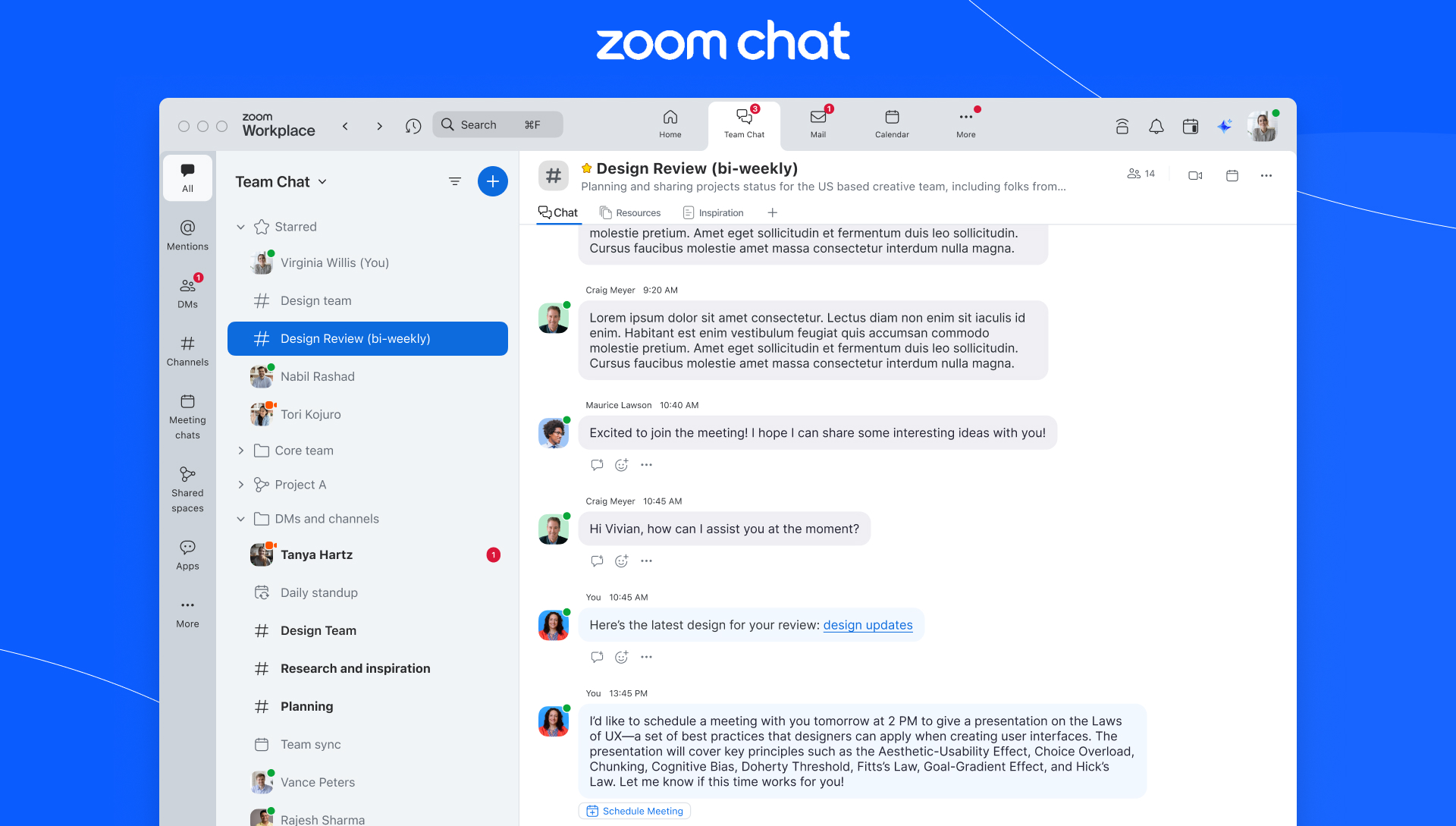 Zoom Chat
-
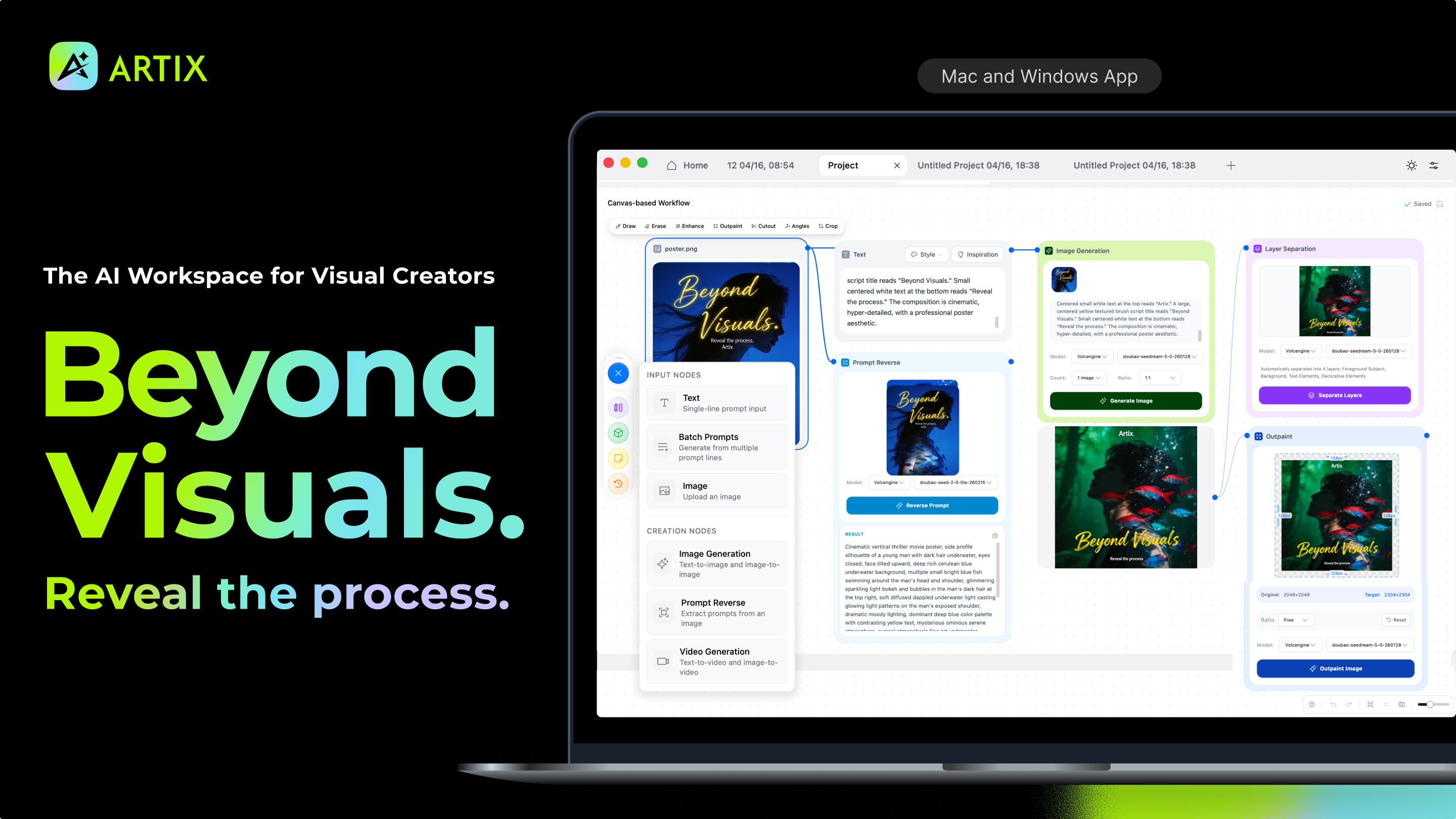 Artix - The AI Workspace for Visual Creators
-
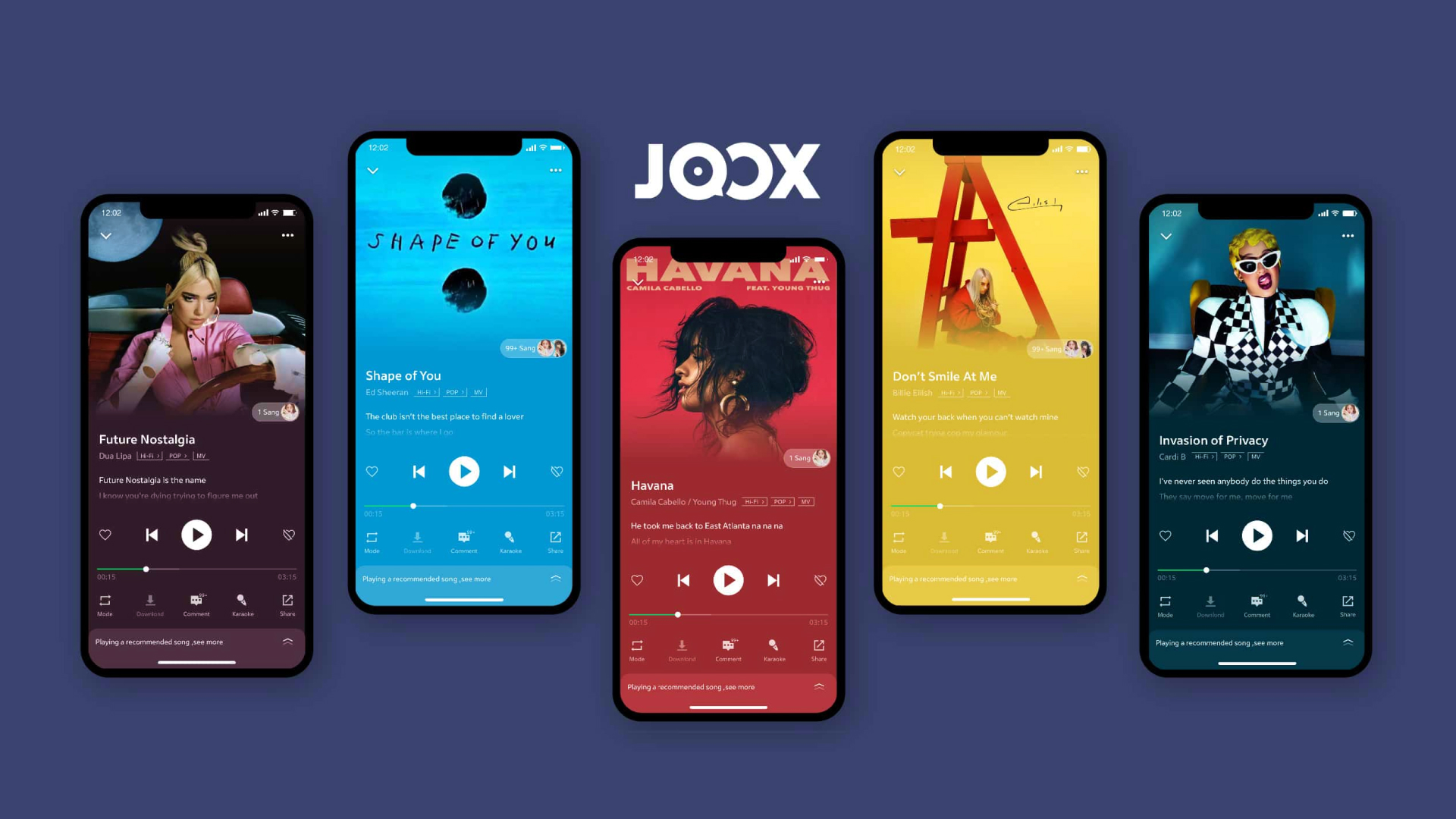 JOOX Music
-
 工作坊 User research value reinvention, application scenarios and practical methodology Sissi ZouZiroom,User Research Senior Expert
 -
 工作坊 No Design No Diversity——How to Build a Young Brand Creative Design System Yun Zhangbilibili,Senior Design Director
-

-
 工作坊 Using Product Excellence and Critical User Journey to improve mature product Fang ZhenshuoTencent,Design Director
-
 工作坊 User-Centered Design of Intelligent Connected Vehicle Experience Siyu JiaThoughtworks,Senior Experience Designer/Senior Consultant
 -
 工作坊 Digital Customer Experience Management: Experience Indicator system for Sustainable Innovation Empowering Ting ZhangETU Design,Vice President of Research
-
Boost
1/4
-
Zoom Chat
2/4
-
Artix - The AI Workspace for Visual Creators
3/4
-
JOOX Music
4/4
- 回到顶部
- 手机查看
- 在线客服
用手机扫描二维码即可查看本页面

扫码添加官方客服微信,直接在线沟通
 胡蓉:188-2626-0168(微信同号)
Shine:189-8894-8279(微信同号)
